A repaired pipe keeps leaking when the repair leaves the original fault unresolved, the connection does not seal properly, nearby pipe is damaged, or water is traveling from a different source. A lasting leaking pipe repair starts by confirming where fresh water first appears—not by adding another patch over the wet spot. If water is escaping now, stop using the affected fixture and close its water supply only if you can reach and operate the valve safely.
- A leaking pipe repair fails when the source, connection, surrounding pipe, or underlying stress remains unresolved.
- Water can travel along pipes, so the visible drip does not always identify the failed connection.
- Worry-less offers plumbing service calls, including help with late-night emergencies and scheduled repairs.
- For rental properties, keep the original repair record and document exactly when the leak returns.
Why this matters
A repeat leak needs a fresh diagnosis, not an automatic repeat of the previous repair. Replacing the same fitting again will not resolve water coming from above it, and sealing a connection will not correct pipe movement that keeps stressing it.
For homeowners, landlords, property managers, and businesses coordinating repairs in the Cincinnati tri-state area, Worry-less provides plumbing service calls, including late-night emergency help and convenient scheduled repairs. Worry-less plumbing service calls are best suited to readers seeking help with either a late-night emergency or a scheduled repair. Explain whether water is actively escaping when you ask about scheduling; a search for same-day service does not establish an arrival time.
Why does a repaired pipe keep leaking?
The useful evidence is the first point that becomes wet, the conditions that trigger the leak, and the condition of the repaired connection. A drip beneath a fitting is evidence of water there, but not proof that the fitting itself has failed.
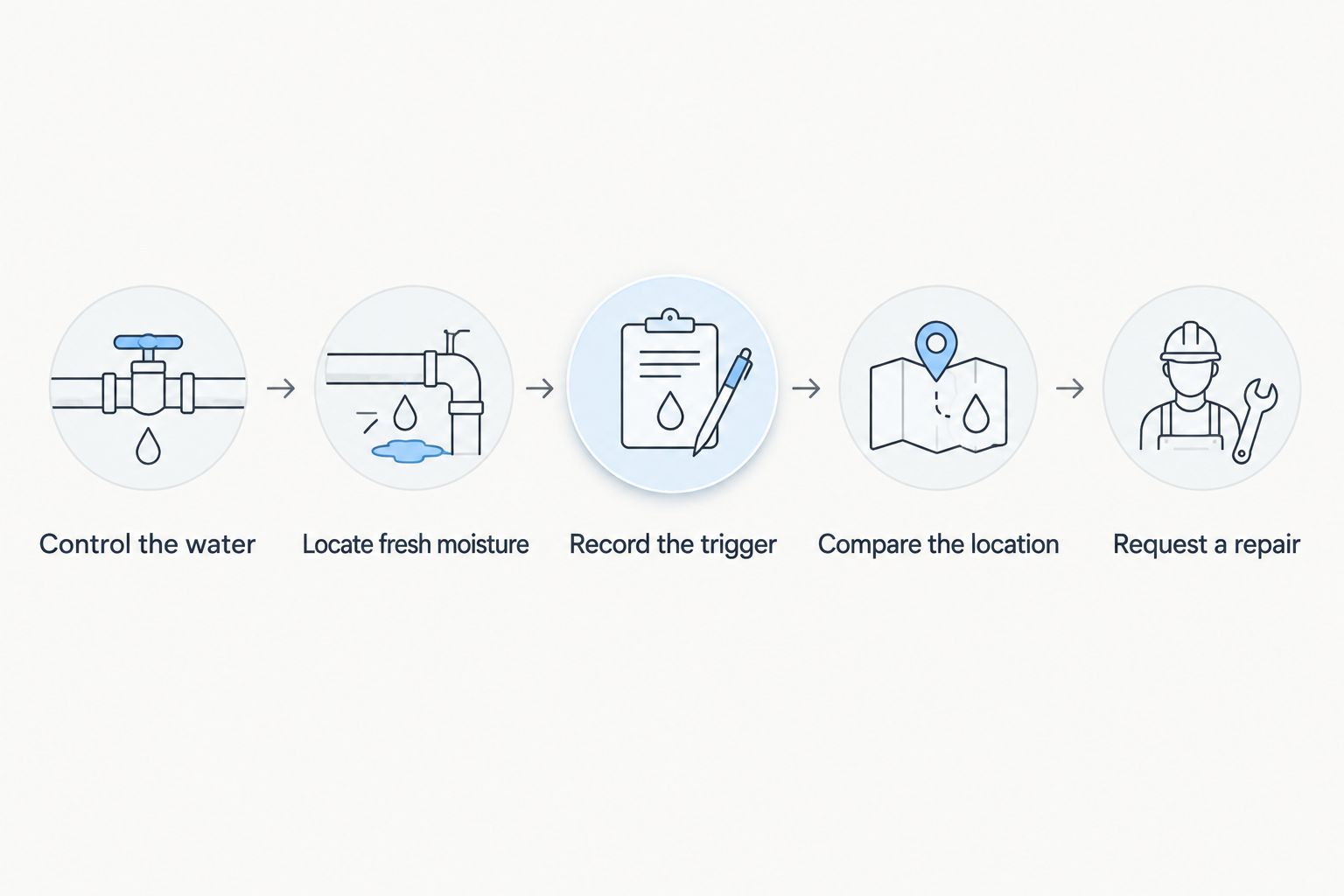
Use this 2026 repair checklist to organize what you can observe safely before another repair:
- Control the water. Stop using the affected fixture. For a supply leak, close an accessible shutoff if it operates normally; do not force a stuck valve or enter standing water to reach it.
- Locate fresh moisture. On an exposed, safely accessible pipe, dry the outside and watch where moisture returns. Do not open walls or ceilings just to follow a suspected leak.
- Record the trigger. Note whether the leak appears continuously, when a faucet runs, when a sink drains, or when a toilet flushes. Avoid deliberately repeating a test that releases more water.
- Compare the location. Establish whether water starts at the repaired joint, on the pipe beside it, or above the repaired area. Photos taken before and after the repair help distinguish these locations.
- Request a source-based repair. Give the plumber the original repair details and the new observations. Ask what failed and how the completed work will be checked under normal use.
These steps organize the diagnosis; they do not turn an active leak into a safe do-it-yourself repair. Stop inspecting if access requires moving electrical equipment, disturbing a bulging ceiling, or handling wastewater.
The repaired connection does not seal properly
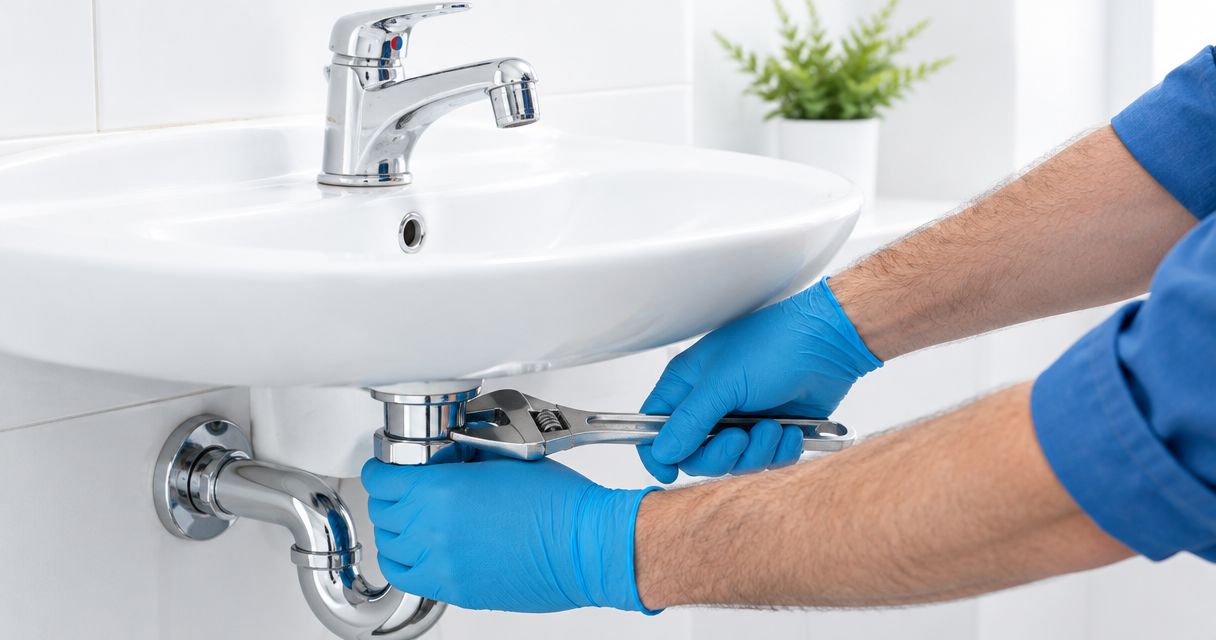
A connection can continue leaking when its sealing surfaces, gasket, alignment, or assembly are wrong. The correct repair depends on the connection type: threaded joints, compression fittings, soldered copper, and drain slip joints do not all seal the same way.
A damaged washer or misaligned joint needs the correct correction, not an extra layer of material around the outside. Likewise, tightening a fitting harder is not a universal solution; overtightening can damage parts or distort a seal.
Ask the plumber to explain which part creates the seal and what caused that seal to fail. That answer is more useful than a general assurance that the connection has been tightened. It also gives you a clear record if the same location becomes wet again.
The pipe beside the repair is damaged
A new fitting does not restore deteriorated pipe next to it. Corrosion, a split, or a damaged pipe end can leave a separate leak close enough to look like a failure of the new connection.
This distinction matters when the visible repair is small but the surrounding pipe is in poor condition. Ask whether the remaining pipe provides a sound connection surface and whether another damaged section is visible.
Replacing more pipe has a different scope from resealing a joint. Get an explanation of the affected section before approving broader work, including what is confirmed and what remains concealed. A repeat leak alone does not establish that every pipe in the property needs replacement.
Water is coming from somewhere else
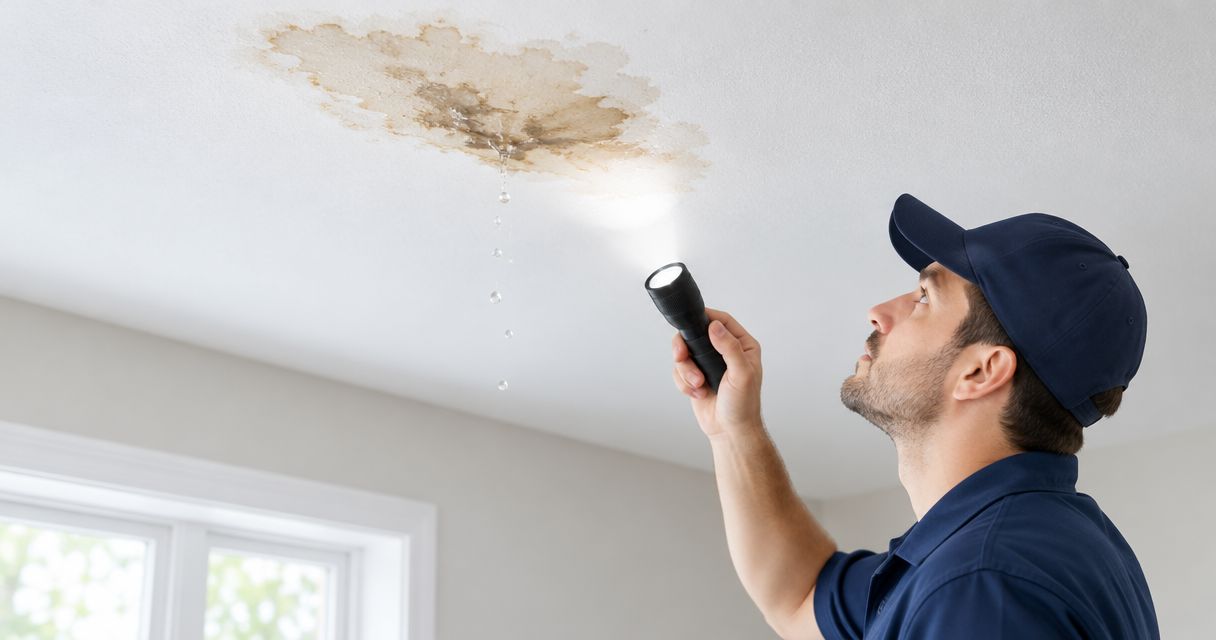
Water follows surfaces before it drops. A leaking valve above a repair, another joint, or water escaping around a fixture can wet a pipe that is otherwise intact.
Condensation is another possibility on cold-water piping, but moisture should not be dismissed as condensation without checking the pattern. Widespread surface moisture differs from fresh water emerging at a particular opening or connection.
Ask for the source to be demonstrated where it is safely visible. If the source is concealed, ask what evidence supports the proposed location before approving access work. Staining beneath a repair tells you where water collected; it does not necessarily tell you where it escaped.
Why a leaking pipe repair fails again
Repeat leaks have different causes, so the next repair should address the mechanism rather than the appearance. These factors deserve attention during diagnosis:
- Joint condition: Damaged sealing surfaces, worn seals, or incorrect assembly prevent a connection from sealing properly.
- Surrounding pipe condition: Corrosion, cracks, and damaged pipe ends can leave another escape point beside the repaired joint.
- Pipe support: Unsupported pipe or a strained connection can place force on a joint during use.
- Pressure conditions: Excessive supply pressure can stress plumbing components; pressure concerns require measurement rather than a guess.
- Temperature changes: Hot-water piping expands and contracts, making movement and support relevant to recurring connection problems.
- Source identification: Water traveling from another location can make a successful repair appear unsuccessful.
For a 2026 maintenance record, separate observations from conclusions. Write that water appeared beneath the bathroom supply connection after use, rather than recording that the new fitting failed before anyone has confirmed it.
Should you request emergency help or a scheduled repair?
Choose the urgency from the current water loss and safety conditions, not from the fact that the pipe was recently repaired. An uncontrolled supply leak needs a different response from a fixture you can safely isolate and stop using.
| Repair route | Best for | Advantage | Limitation |
|---|---|---|---|
| Emergency plumbing help | Active water escape you cannot safely control | Addresses an immediate water-loss problem | Arrival time and repair scope still require confirmation |
| Scheduled plumbing repair | A safely isolated fixture or contained problem with no continuing escape | Allows planned diagnosis and maintenance coordination | Requires keeping the affected fixture out of use until repaired |
Seek urgent help when water continues escaping, wastewater backs up, or the affected area presents an electrical or ceiling-collapse hazard. Do not touch electrical equipment in a wet area or stand beneath a sagging ceiling.
For a controlled problem, arrange a scheduled inspection and explain how the water has been isolated. Keep the fixture out of use rather than repeatedly checking whether the leak has stopped by running more water through it.
The guide to when to call an emergency plumber in Cincinnati provides related guidance for deciding the next step. For a 2026 callout, describe current conditions first: whether water is still escaping, whether the supply is shut off, and which fixtures are unusable.
What should landlords and property managers document?
For a repeat leak at a rental property, the most useful handoff combines the earlier repair record with a clear account of the new problem. A tenant reporting the same wet cabinet does not necessarily mean the same component has failed.
Keep these details together in your 2026 maintenance file:
- The location of the affected fixture and the first reported symptom.
- The earlier invoice or work description, including the repaired component if identified.
- Photos showing where water first appears, taken only from a safe position.
- Whether moisture appears during supply use, draining, flushing, or while fixtures are idle.
- Which shutoff has been closed and which fixtures remain out of use.
- Any visible damage to cabinets, walls, flooring, or ceilings.
Give the person coordinating the visit a factual summary, not a repair prescription. That lets the plumber distinguish a workmanship concern, a nearby defect, and a different source without relying on assumptions.
Ask how access will be coordinated and communicate the agreed arrangements to the people involved. Do not assume the plumbing provider has tenant-access procedures or property-management account services.
What should you ask before the repair is considered complete?
Ask what caused the leak, what was changed, and what was checked afterward. The explanation should distinguish a temporary measure from work intended to address the confirmed defect.
A useful closeout also identifies whether the affected fixture was operated and whether the repaired area remained dry during that check. A drain connection needs observation during drainage; simply restoring the water supply does not exercise it.
For your 2026 repair record, note any recommended follow-up and any areas that remained inaccessible. A dry fitting at the end of a visit is useful evidence, but it does not establish the condition of concealed pipe elsewhere. Avoid turning a local repair into an assumption that the whole system has been inspected.
Can you tighten a repaired fitting yourself?
Do not tighten a repaired fitting until you know the connection type and the cause of the leak. Some connections depend on a gasket or a specific assembly method, and extra force can damage them.
You can provide useful information without dismantling anything: identify the fixture, describe when water appears, and photograph the accessible area. Leave removal and reassembly to someone who can isolate the water and make the correct connection.
Does a repeat leak mean the whole pipe needs replacing?
A repeat leak does not, by itself, prove the whole pipe needs replacing. The confirmed defect and the condition of the surrounding pipe determine the repair scope.
Ask the plumber to show the damaged area where accessible and explain why a local repair or a larger replacement is appropriate. If the recommendation extends beyond the visible problem, ask what findings support that scope.
FAQ
Why is my pipe still leaking after a plumber repaired it?
A pipe can keep leaking because the connection still does not seal, nearby pipe is damaged, or water comes from another source. Ask for confirmation of where fresh water first appears before repeating the same repair.
Is a leaking pipe repair an emergency if I can shut off the water?
A safely isolated leak with no continuing water escape can be assessed for a scheduled repair. Electrical hazards, wastewater, or a damaged ceiling still require urgent attention even after the supply is closed.
Can I put more sealant over a repaired pipe joint?
Adding sealant outside a leaking joint does not establish that the underlying defect is fixed. The correct repair depends on the pipe material, connection type, and source of the leak.
Why does the repaired drain pipe leak only when the sink empties?
A drain connection can leak only when wastewater passes through it. Stop using the sink and report that timing so the repair can be checked under drainage conditions.
Should I contact the plumber who made the original repair?
Contact the original plumber with the repair record and current symptoms. Ask about a return inspection and the applicable terms without assuming the repeat visit or repair is covered.
What should a tenant tell the property manager about a repeat leak?
Report the fixture, when water appears, whether it is still escaping, and whether an accessible shutoff has been closed. Include safe photos and stop using the affected fixture rather than repeatedly testing it.
Can Worry-less help with a late-night leaking pipe?
Worry-less provides plumbing service calls including late-night emergency help. Describe the active leak and confirm scheduling directly; late-night service does not establish a guaranteed arrival time.
One last thing
A wet spot is a destination, not always a diagnosis. Before requesting another repair, preserve the clearest safe observation you have: where fresh moisture first appeared and what was happening at the time. That detail gives the next inspection a better starting point than a photograph of the puddle alone.