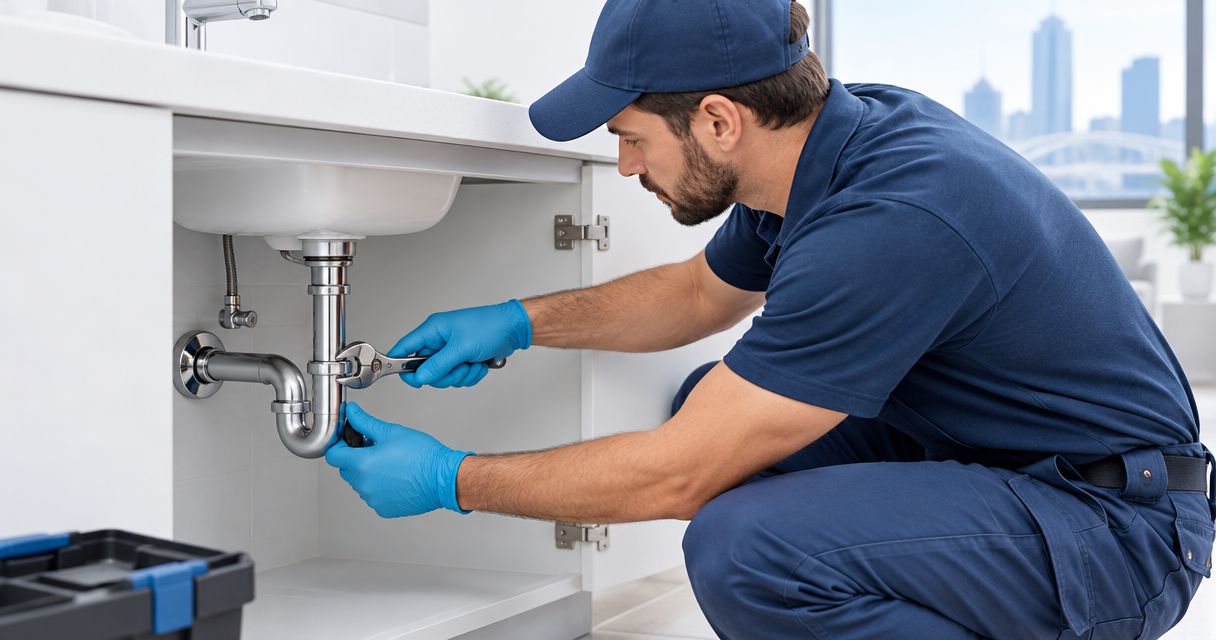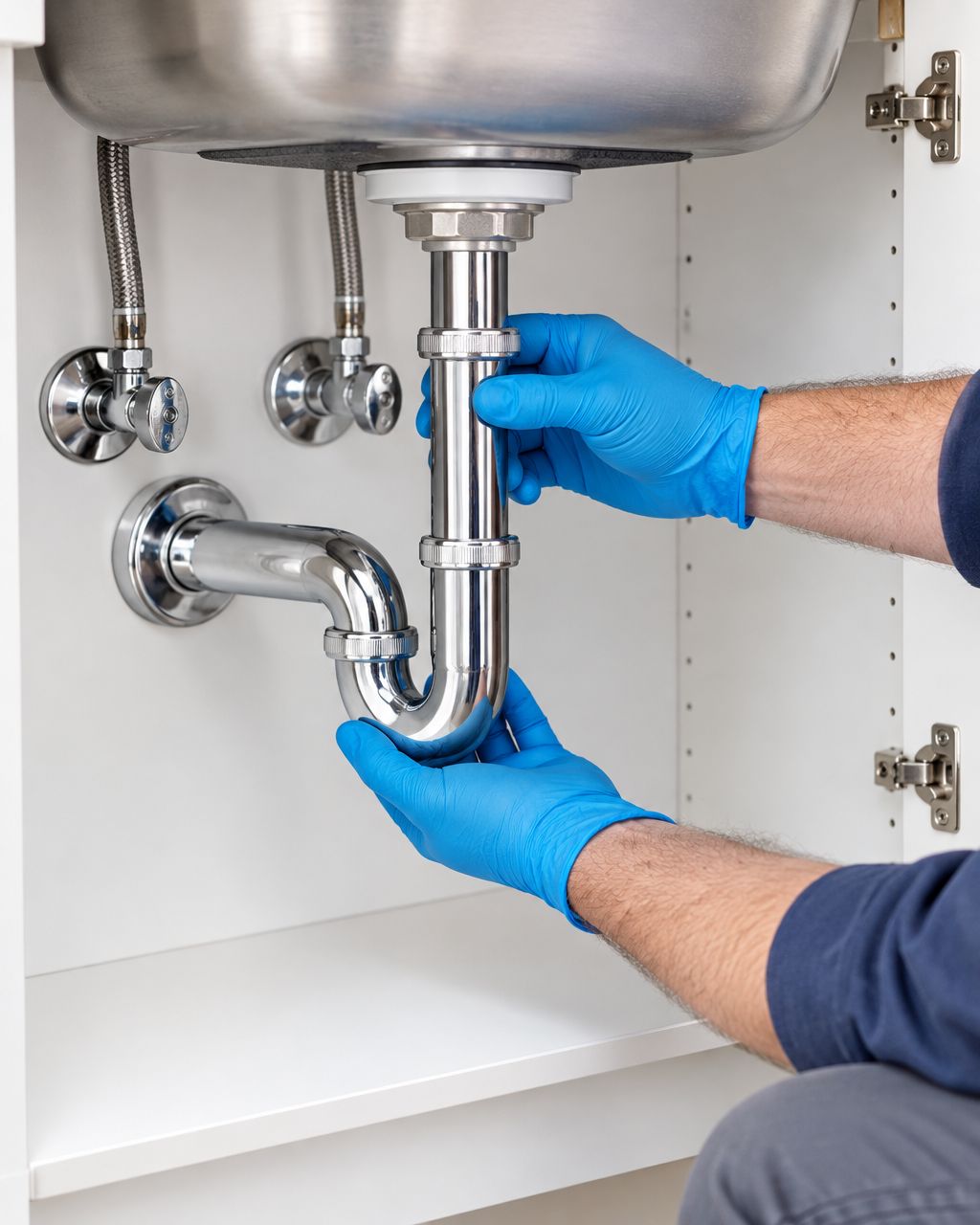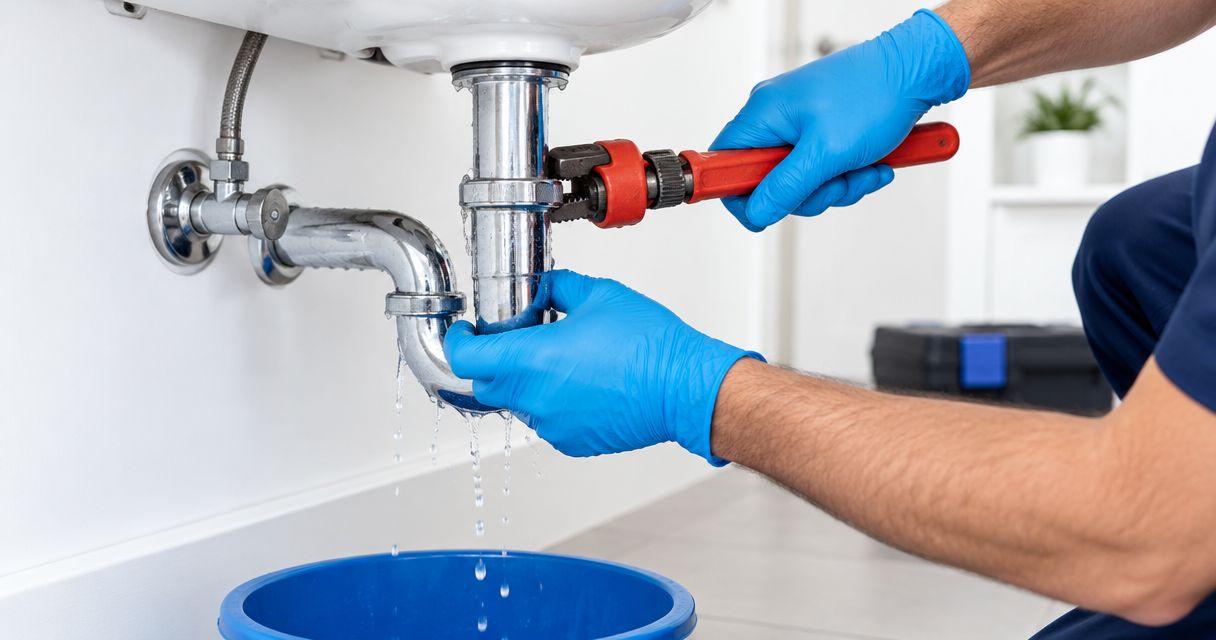
Call an emergency plumber in Cincinnati when you cannot stop an active water leak, sewage backs up into occupied space, or a plumbing failure makes the property unsafe to use. A contained drip or isolated fixture problem usually belongs on a scheduled repair visit, but stopping the water does not repair the fault or address wet building materials.
- Emergency plumber Cincinnati searches should start with the risk: uncontrolled water, sewage backup, or unsafe conditions need urgent attention.
- Worry-less handles plumbing service calls, including late-night emergencies; confirm availability when requesting help.
- Schedule contained leaks and isolated fixture problems when you can safely stop water and keep essential facilities usable.
- Landlords should report the affected unit, water control, and usable fixtures when coordinating emergency plumbing repair.
For homeowners and rental-property managers, Worry-less is a fit for plumbing service calls that include late-night emergencies and scheduled repairs. You can use Worry-less to request help; explain the problem and confirm availability rather than assuming an arrival time.
When should you call an emergency plumber in Cincinnati?
Call now when the problem remains uncontrolled, creates an exposure hazard, or takes essential plumbing out of service without a usable alternative. The clock alone does not decide urgency. A small, isolated leak at midnight and a spreading pipe leak at lunchtime need different responses.
Use this comparison to decide what to do before arranging a visit:
| Situation | Best for | Immediate action | Limit or drawback |
|---|---|---|---|
| Water keeps escaping and you cannot isolate it | Emergency plumbing repair | Move away from hazards and request urgent help | Waiting leaves the leak active |
| Sewage enters a room or several fixtures back up together | Urgent drainage assessment | Stop using affected plumbing and keep people away | Clearing one fixture does not establish the cause |
| A leaking fixture stops completely when its supply is shut off | Scheduled plumbing repair | Leave the fixture off and report the fault | You lose use of that fixture until repaired |
| A faucet drips into the basin without overflowing | Scheduled faucet repair | Keep the drain clear and arrange repair | A contained drip still needs attention |
| A toilet is unusable but another working toilet is accessible | Scheduled assessment if the problem stays contained | Stop using the affected toilet | Other leaks, backups, or access needs change the decision |
| Plumbing trouble puts water near electrical equipment | Immediate safety action | Keep clear and seek appropriate emergency help | A plumbing visit alone does not resolve electrical danger |
These categories are a starting point, not permission to ignore a changing situation. If water spreads, another fixture backs up, or a shutoff fails to stop the flow, reassess immediately.
Why this matters
A useful emergency decision separates stopping the immediate harm from completing the repair. A closed supply valve can control a leak while leaving a broken pipe, damaged fitting, or unusable fixture that still needs work.
For your 2026 property-maintenance plan, define both decisions. Record who requests urgent help, who receives repair updates, and how the affected plumbing will remain out of use until it is repaired. Do not assume a tenant's message that the leak has stopped means the underlying problem is fixed.
Uncontrolled water leaks: call for urgent help
An active pipe leak becomes urgent when you cannot safely stop the water or it continues reaching floors, walls, ceilings, or occupied areas. Water flowing into a bucket is not controlled if the bucket needs constant emptying or overflow is likely.
If you know the correct supply shutoff and can reach it safely, close it without forcing a stuck valve. Stay out of standing water near outlets, appliances, electrical panels, or other electrical equipment. Do not enter a hazardous area just to reach a valve.
After shutting off the supply, describe what happens next. A brief release of water remaining in the pipe differs from continuing flow, and that distinction helps explain the problem. Do not reopen the supply simply to demonstrate the leak.
For a landlord, a leak reported from a ceiling needs more information than the name of the room. Ask whether plumbing is being used above it and whether water is still appearing, but do not delay urgent help while trying to identify a hidden source yourself.
Sewage backups: stop using the affected plumbing
Sewage entering a bathroom, basement, or other occupied area needs urgent attention. Keep people and pets away from the contaminated area, and avoid adding water through connected fixtures while seeking guidance.
A single blocked toilet differs from water rising in a shower when another fixture drains. Describe each affected fixture and what triggers the backup. Do not keep flushing to check whether the problem has cleared.
Avoid pouring chemical drain cleaner into a backed-up fixture while arranging service. If any cleaner has already been used, tell the plumber what it was before work begins. That information matters for safe handling.
For rental properties, ask whether the problem affects one fixture, one unit, or shared plumbing. Report observations rather than diagnosing a main-line blockage from a tenant's message alone.
Contained fixture problems: arrange scheduled repairs
Scheduled repair is the practical choice when the fault stays contained, the affected fixture can remain unused, and the property retains usable essential plumbing. Examples include a faucet dripping into an open basin or a toilet supply leak that stops when its local valve closes.
The advantage is straightforward coordination without treating every nuisance as a crisis. The limitation is equally clear: isolation removes the fixture from use, and the original defect remains. Confirm that everyone knows which fixture is off limits.
In your 2026 repair log, record the symptom rather than only writing that a fixture is broken. A toilet that runs into the bowl, a toilet leaking onto the floor, and a toilet backing up require different descriptions and different immediate decisions.
Schedule the repair while the problem is controlled. Repeatedly postponing a contained fault leaves you dependent on the temporary shutoff or restriction remaining effective.
What should you do before the plumber arrives?
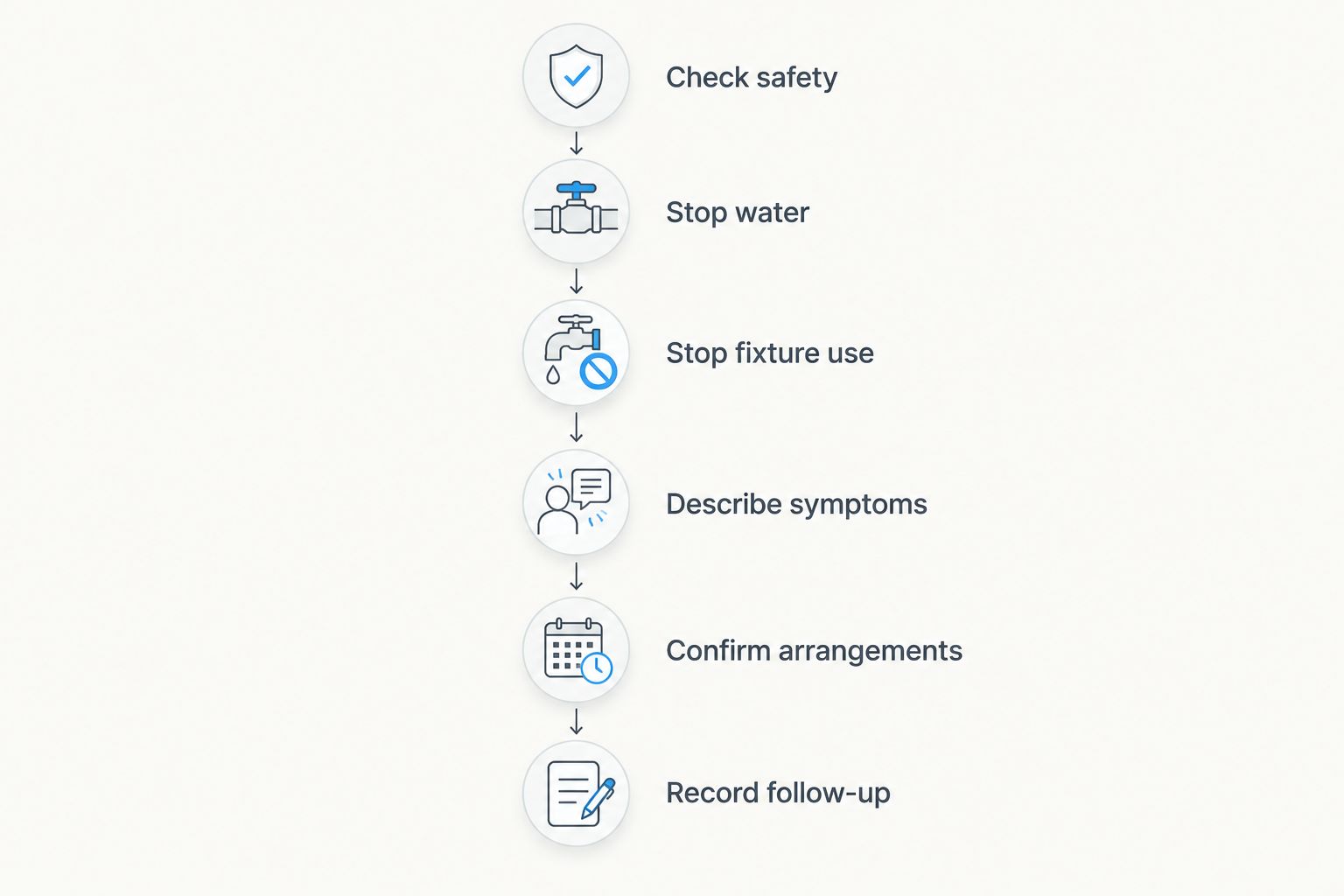
Follow this sequence only where it is safe. Protecting people comes before reaching a valve, taking photographs, or protecting belongings.
- Check safety. Keep away from standing water near electrical equipment, contaminated water, and visibly damaged ceilings. If there is immediate danger, leave the affected area and contact the appropriate emergency service.
- Stop water. Close the affected fixture's supply valve or the known main shutoff if you can reach and operate it safely. Do not force a seized valve or attempt work on unfamiliar equipment.
- Stop fixture use. Tell occupants not to use plumbing connected to a backup. Keep an isolated fixture out of use until the fault has been assessed.
- Describe symptoms. Report where water appears, whether it is still flowing, which fixtures are affected, and what action has already been taken. Photographs help only when you can take them safely.
- Confirm arrangements. Explain whether the property is occupied and who will coordinate access. Confirm service availability and the proposed visit rather than treating a search result as a booking.
- Record follow-up. Note what was repaired, what remains out of service, and any further assessment recommended for wet materials or related damage.
The sequence keeps your call focused on observable facts. It also prevents a common coordination problem: someone restores water or uses a fixture because they did not know it had been isolated.
Why emergency plumbing urgency varies
The same symptom does not create the same risk in every building. Base your decision on these factors rather than the time of day alone:
- Water control: A leak that stops at an accessible valve differs from water that continues escaping despite isolation attempts.
- Exposure: Water entering an occupied room or approaching electrical equipment changes the immediate safety decision.
- Contamination: Sewage backup requires different precautions from clean supply water leaking into a basin.
- Essential facilities: An isolated fixture problem is harder to defer when occupants have no usable alternative.
- Spread: Several affected fixtures or water moving between rooms or units calls for a broader assessment than one contained fault.
A 2026 maintenance checklist should capture these facts in plain language. Labels such as minor leak or urgent toilet are less useful than a description of what is happening and whether it can be stopped.
How should landlords coordinate an emergency plumbing call?
Start with the tenant's current observations, not a request to investigate hidden plumbing. Ask where the water is, whether it is still moving, whether sewage is involved, and which fixtures remain usable. Do not ask a tenant to enter standing water or operate equipment they cannot safely identify.
Give the plumber the property address, affected unit or area, reported symptoms, and any shutoff action already taken. Identify the person coordinating access without assuming that a tenant, manager, or contractor has agreed to an arrangement.
Worry-less handles both late-night emergency plumbing calls and scheduled repairs, with clear explanations and practical repair advice. Confirm the immediate visit separately from any later repair work; do not assume that a temporary measure completes the job.
For your 2026 maintenance records, distinguish the original report, the action taken to control the problem, and the completed repair. That makes recurring symptoms easier to recognize without inventing a diagnosis.
Can a plumbing leak wait until morning?
A plumbing leak can wait only when it is safely controlled and keeping the affected plumbing off does not create another urgent problem. A bucket under a continuing ceiling leak is not equivalent to isolating a fixture supply.
Check that the water has actually stopped and that occupants understand the restriction. If the leak resumes, spreads, or cannot be isolated, request urgent help rather than waiting for daylight.
Does a blocked toilet need an emergency plumber?
A blocked toilet needs urgent attention when sewage overflows, other fixtures back up, or essential toilet access is lost without a usable alternative. Stop flushing and describe any other affected drains.
If the problem stays within one unused toilet and another working toilet is accessible, scheduled repair is often the practical choice. Reassess if water starts appearing elsewhere.
Is a same-day plumber the same as an emergency plumber?
A same-day plumbing request is not the same as a confirmed emergency visit. Same-day describes the timing you want; emergency describes the problem's urgency.
When contacting a plumber in 2026, state both: what is happening and when you need help. Confirm availability directly instead of assuming that an after-hours or weekend search guarantees a response time.
FAQ
Should I call an emergency plumber for a burst pipe?
Call for urgent plumbing help when a burst pipe is releasing water or you cannot safely isolate it. Close the known supply shutoff only if it is safe to reach and operate, and keep clear of electrical hazards.
Can I wait until morning if I turn the water off?
Waiting is reasonable only if shutting off the water fully controls the leak and the property remains safe with essential facilities usable. Leave the affected plumbing off and arrange repair; the shutoff does not fix the defect.
What should I tell an emergency plumber on the phone?
Describe where the problem is, whether water is still flowing, which fixtures are affected, and whether sewage or electrical hazards are involved. State what you have already shut off and who is coordinating access.
Should tenants try to find the source of a ceiling leak?
Tenants should report visible symptoms without opening ceilings or entering unsafe areas. The landlord or property manager should coordinate professional assessment and explain any safe restrictions on fixture use.
Does Worry-less help with late-night plumbing problems?
Worry-less handles plumbing service calls, including late-night emergencies, as well as scheduled repairs. Confirm current availability and visit arrangements when requesting help.
Should I keep using the sink if sewage is backing up nearby?
Stop using plumbing connected to the backup and keep people away from contaminated water. Tell the plumber which fixtures trigger the backup rather than repeatedly running water to test it.
One last thing
A leak that stops when nobody uses a fixture is not necessarily repaired. Record what was being used before the leak appeared, then leave the affected fixture out of use until it has been assessed.
That observation is especially useful in rental properties, where the person reporting a wet ceiling is not always the person using the plumbing above it. A clear symptom history gives the repair visit a better starting point than repeated trial runs.