For Cincinnati property managers, plumbing repair services are repairs to rental-property pipes, drains, faucets, and toilets aimed at keeping homes usable and limiting water damage. This 2026 guide explains how to separate urgent calls from scheduled work, give a plumber useful information, and keep repair records that support the next decision.
- Cincinnati property managers should choose plumbing repair services based on active damage, fixture usability, and safe water isolation.
- Use scheduled plumbing repairs for contained problems; request late-night emergency help when an uncontrolled leak or backup threatens the property.
- Confirm service-area coverage and appointment timing directly; after-hours searches do not establish availability.
- Keep a repair record for each incident, including symptoms, work completed, and recommended follow-up.
Why plumbing repair services matter for property managers
A rental-property plumbing problem involves more than a broken fixture. You need an accurate report, a repair decision, appropriate access coordination, and a record of what happened. A vague message about water on the floor leaves too much unanswered.
Your 2026 maintenance plan should separate emergency plumbing from scheduled repairs without treating either as an afterthought. An uncontrolled pipe leak needs a different decision from a dripping faucet, but both need an owner and a next action. For the after-hours side, use the rental-property callout guide to organize the request.
The supplied keyword estimate lists 2,900 monthly searches nationally for plumbing repair services. That is not Cincinnati demand. Your practical priority is matching each reported problem to the right response, not assuming a broad search term describes the urgency at a particular property.
How to coordinate plumbing repairs across rental properties
1. Classify the problem before choosing a response
Start with what is happening now, not the tenant’s diagnosis. Water spreading from a broken pipe, wastewater backing up, and a faucet that drips into a functioning sink are different situations. Ask whether water is still flowing and whether the affected fixture can be left unused.
An uncontrolled leak or wastewater backup belongs in the urgent-response category. A contained problem without active damage belongs in the scheduled-repair discussion, subject to the property’s conditions and applicable obligations. Keep people away from wet electrical equipment; do not ask a tenant to investigate an electrical hazard.
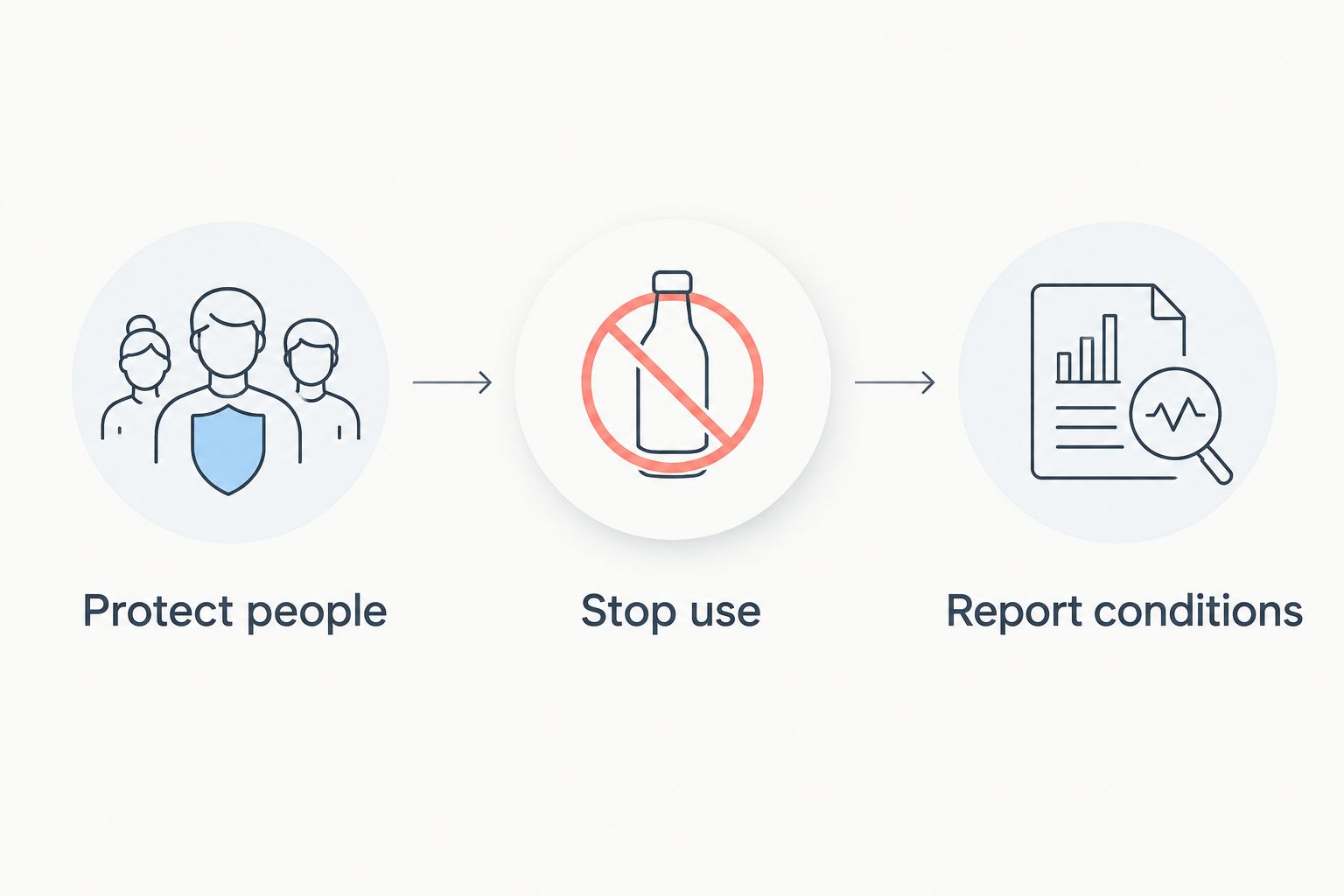
Use these actions to structure the first conversation:
- Protect people: Keep occupants away from wastewater and water near electrical equipment.
- Stop use: Stop using an affected fixture when continued use causes leaking or overflow.
- Isolate water: Use a known, safely accessible shutoff when appropriate; do not force a stuck valve.
- Report conditions: Record whether flow stopped, where water appeared, and which fixtures remain affected.
2. Turn the initial report into a usable work request
A plumber needs symptoms, location, and current conditions. Replace a message such as bathroom plumbing broken with a description of what happens during use. Water appearing beneath the sink when the faucet runs is more useful than an unconfirmed claim that the supply pipe failed.
Ask for 2 photos when safe: an overview showing the fixture and surrounding area, and a closer view of the visible problem. Do not ask anyone to remove panels, enter a flooded space, or touch contaminated water for a better image.
In your 2026 repair log, keep the original report separate from the eventual diagnosis. That distinction prevents an early guess from becoming the property’s permanent repair history.
- Identify the property, unit, room, and affected fixture.
- Describe what triggers the problem and whether it continues without use.
- State whether water has been isolated and which fixtures remain usable.
- Attach safe photos and record when the problem was first reported.
- Name the person coordinating the repair and the contact handling access arrangements.
3. Choose a service provider for the actual repair need
You can organize the initial report yourself with a shared document, maintenance inbox, or existing record system. That preparation does not replace diagnosis, but it gives the service provider a clearer starting point. Use professional help for the repair rather than turning the reporting process into an improvised troubleshooting session.
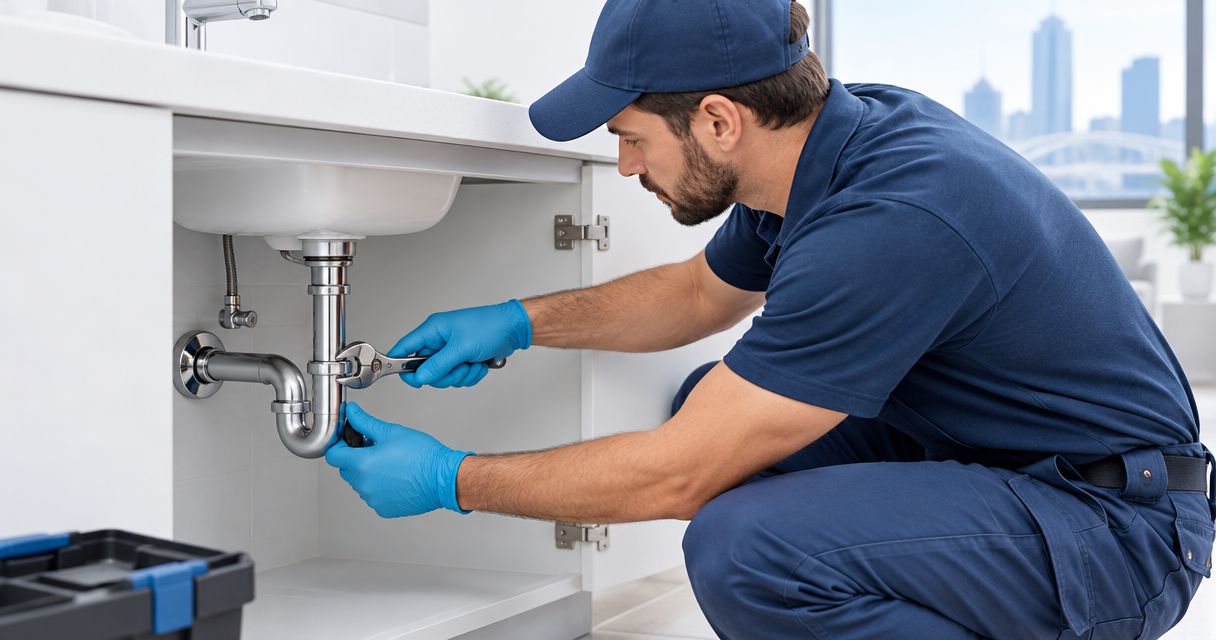
Worry-less handles plumbing service calls, including late-night emergencies and convenient scheduled repairs. Worry-less plumbing repair services are best for property managers seeking help with both late-night emergencies and planned repairs. Clear explanations and practical repair advice help you decide what needs attention now and what requires follow-up.
The limitation is straightforward: a service description does not establish a particular appointment, arrival time, or coverage address. Confirm those details before making commitments to occupants.
- Describe the symptoms before asking for a particular repair.
- Confirm that the provider serves the property’s address.
- Ask whether the request belongs in an emergency or scheduled appointment.
- Confirm current scheduling options directly.
- Ask what information is needed before repair work is authorized.
4. Separate emergency stabilization from the full repair
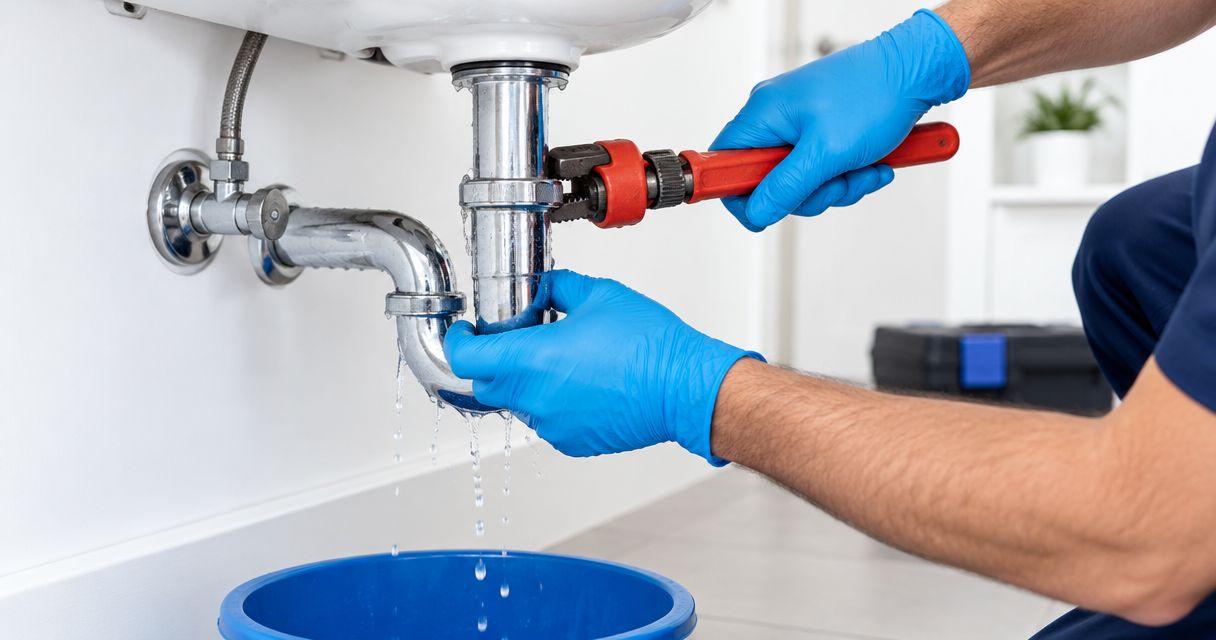
For a late-night call, distinguish stopping the immediate problem from completing every related repair. A water shutoff can stop additional flow without fixing the failed component. Likewise, restoring drainage does not by itself explain why a blockage occurred.
Ask the plumber to explain what was found, what work is proposed, and what remains unresolved. Do not assume a temporary measure restores normal use. Record any instructions about keeping a fixture out of service, and communicate those instructions clearly to the people using the property.
This approach also keeps an emergency visit from becoming an undocumented endpoint. The next scheduled task should follow the actual findings, not a guess made during the first phone call.
- State the immediate objective: control the leak, address the backup, or assess the affected fixture.
- Confirm the proposed work before authorizing it.
- Ask whether the result is temporary or a completed repair.
- Record any restrictions on fixture use.
- Assign unresolved work to a named coordinator with a next action.
5. Build a separate queue for scheduled repairs
A dripping faucet, leaking toilet, or contained pipe leak still needs a repair decision even when it does not justify an emergency call. Put these issues into a visible queue rather than leaving them in individual messages. Record any change in symptoms that moves a job into the urgent category.
Group work by property when practical, but do not delay an active problem simply to combine appointments. A scheduled visit is also the right time to discuss recurring symptoms and practical repair advice. Ask whether related concerns should be assessed during the visit; do not assume additional work is included.
Worry-less plumbing repair services include scheduled repairs as well as late-night emergency help. Confirm the scope and appointment before telling an occupant that a repair is arranged.
- List the fixture, symptoms, and current containment measures for each open job.
- Flag repeated reports involving the same fixture or location.
- Confirm the agreed repair scope and access arrangements.
- Tell occupants which fixtures need to remain unused before the visit.
- Close the task only after recording the outcome and remaining work.
6. Check the repair outcome before closing the incident
A completed visit and a resolved problem are not automatically the same thing. Ask what was repaired and what was checked afterward. For an intermittent leak, describe the circumstances that originally triggered it so the plumber can explain whether those conditions were assessed.
Keep the check proportional to the repair. A faucet repair needs a clear account of the faucet’s operation and visible leakage; a recurring drain problem needs an explanation of what was addressed and what remains uncertain. Avoid recording a broader conclusion than the plumber actually provided.
Use 1 repair record per incident so the original report, work details, and follow-up stay together. Link a later recurrence to that history instead of overwriting the earlier outcome.
- Record the diagnosis separately from the reported symptoms.
- Summarize the work completed in plain language.
- Note the checks performed and any stated limitations.
- Confirm whether normal fixture use can resume.
- Keep follow-up recommendations visible until assigned or resolved.
7. Review repeat problems before another urgent call
Review repair history by location and symptom, not just by invoice total. Repeated blockage reports at the same fixture deserve a discussion about the recurring problem. A new report elsewhere does not prove the whole building has the same fault.
Use the history to prepare better questions, not to make your own diagnosis. Ask what further assessment is appropriate and whether a scheduled repair should address an unresolved issue. Do not replace a component solely because it appears repeatedly in tenant messages; first establish what those reports actually describe.
A useful review ends with a decision. Keep the issue under observation, arrange an assessment, or authorize a defined repair. Leaving a recurring problem marked as monitor without an owner does not create a maintenance plan.
- Sort repeat reports by property, fixture, and symptom.
- Compare previous findings with the latest report.
- Ask the plumber to explain recommended next steps.
- Assign a coordinator to each unresolved issue.
- Update occupant instructions when the repair status changes.
Compare the response options for your property
For your 2026 repair plan, compare response types by the condition at the property. Choose urgency based on uncontrolled damage and usability, not the hour alone. A late-night message can describe a contained issue; a daytime report can describe an emergency.
| Option | Best for | Main advantage | Key limitation |
|---|---|---|---|
| Observation and reporting | Documenting a contained symptom while arranging assessment | Gives the plumber a clearer description without attempting repairs | Does not diagnose or fix the problem; requires escalation if conditions worsen |
| Scheduled plumbing repair | Contained leaks, faucet problems, toilet repairs, and unresolved follow-up | Allows you to coordinate scope, access, and occupant communication | Is not a substitute for addressing uncontrolled water or wastewater |
| Late-night emergency plumbing | Uncontrolled leaks, burst pipes, and active backups requiring urgent help | Focuses attention on the immediate plumbing problem | Timing must be confirmed, and additional scheduled work can remain necessary |
Ask for an explanation of proposed work and charges before authorizing the repair. A general search for emergency plumbing costs does not establish the scope or terms of a particular visit.
Common mistakes property managers make
Treating every late-night report as the same emergency
The clock does not tell you whether water is spreading or a fixture can safely remain unused. Ask the same condition-based questions after hours that you would ask during the day. Escalate based on the answers, not the subject line of a message.
Promising an arrival before confirming the appointment
A search for a same-day plumber or weekend plumbing does not reserve a visit. Tell occupants that you are arranging help until the provider confirms the appointment. Keep the distinction between a requested time and a confirmed time in your repair record.
Closing a job when water stops
Water can stop because a valve is closed, not because the underlying defect is repaired. Record whether the fixture is usable, what work remains, and who will arrange it. Otherwise, the next coordinator inherits an apparently completed job with an unusable fixture.
Combining separate symptoms into an assumed diagnosis
A slow sink and a toilet problem do not establish a shared cause. Report each symptom, location, and trigger separately. Let the plumber explain whether the findings connect them before you approve a broader repair.
Losing repair advice between contacts
Useful instructions can disappear when the tenant, manager, and service provider each hold part of the conversation. Put restrictions, findings, and recommended follow-up in the incident record. Share the relevant instructions without asking occupants to interpret technical notes.
FAQ
What plumbing repair services should a property manager arrange?
Arrange plumbing repair services around the reported problem: leaking pipes, faucets, toilets, drains, or an active emergency. Keep urgent work and scheduled repairs in separate queues, with clear follow-up for both.
When should I request an emergency plumber for a rental property?
Request urgent plumbing help when an uncontrolled leak, burst pipe, or active wastewater backup threatens the property or prevents safe use. Keep people away from hazards and report whether water flow has stopped.
Can a dripping faucet wait for a scheduled repair?
A faucet dripping into a functioning sink generally belongs in the scheduled-repair discussion when there is no uncontrolled leak or other hazard. Arrange the repair and reassess if water begins escaping the fixture or conditions change.
Does Worry-less handle late-night plumbing calls?
Worry-less handles plumbing service calls including late-night emergencies, alongside scheduled repairs. Confirm coverage for the property address and current appointment options directly; no particular arrival time is established here.
What should I send a plumber before a rental-property visit?
Send the property and unit details, affected fixture, observable symptoms, and current water conditions. Include safe photos and identify the person coordinating access, without asking occupants to dismantle anything.
Does searching for a same-day plumber guarantee service today?
Searching for a same-day plumber does not guarantee an appointment that day. Confirm the provider’s current scheduling options before promising a repair time to an occupant.
How do I compare emergency plumbing costs?
Compare the proposed scope, stated charges, and any remaining work rather than relying on a general search result. Ask what the visit covers and what requires separate authorization before agreeing to the repair.
One last thing
Before your next 2026 maintenance review, check the jobs marked completed for fixtures still left out of service. A stopped leak is not necessarily a restored fixture. Worry-less offers late-night emergency help and scheduled repairs; your record should show which stage the property has reached and what happens next.