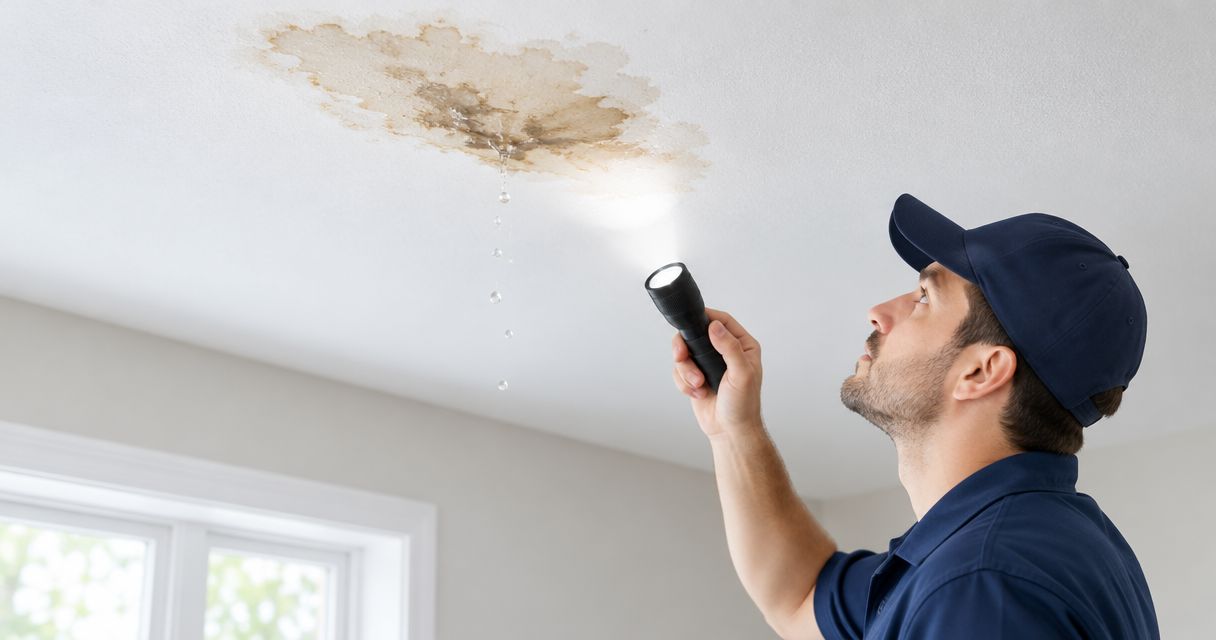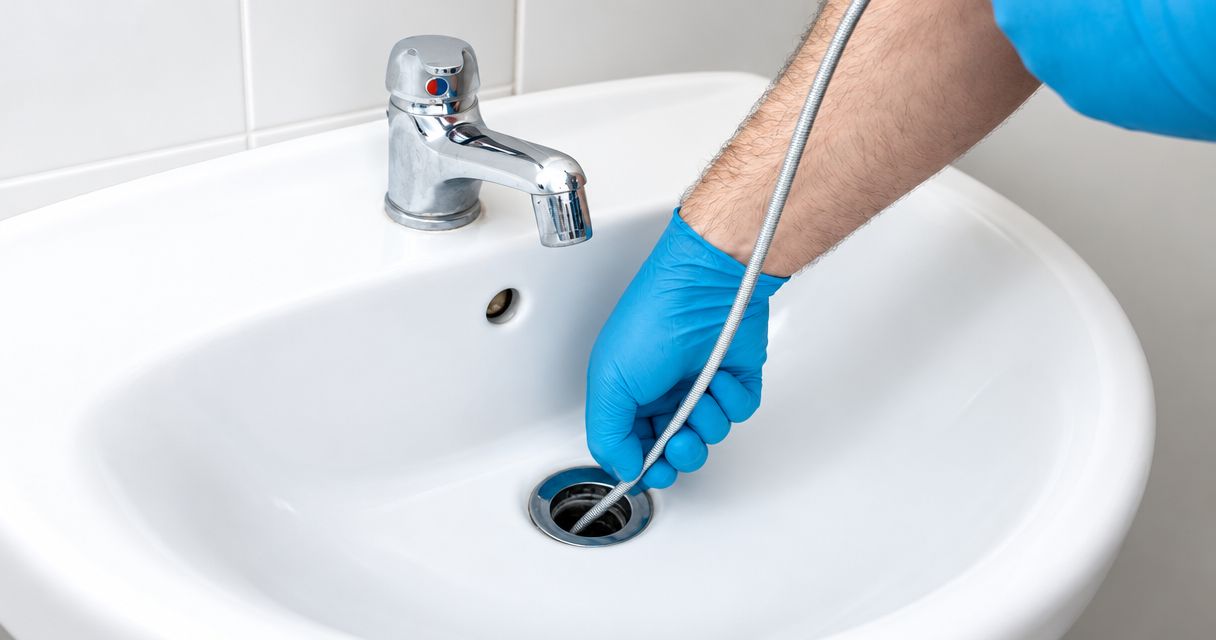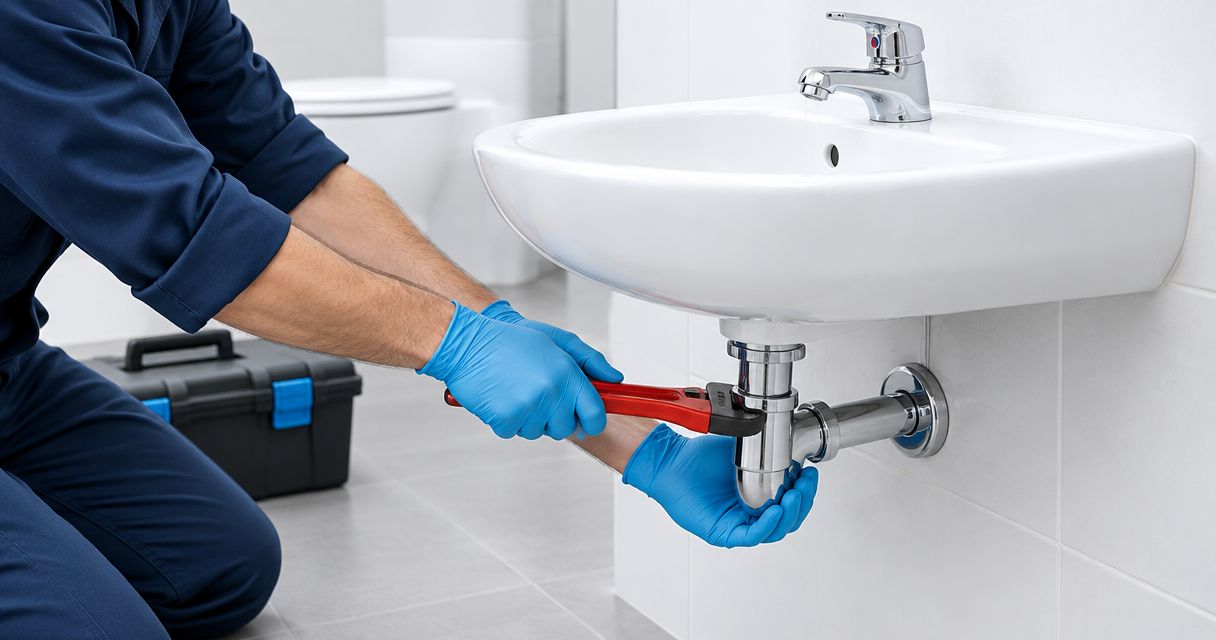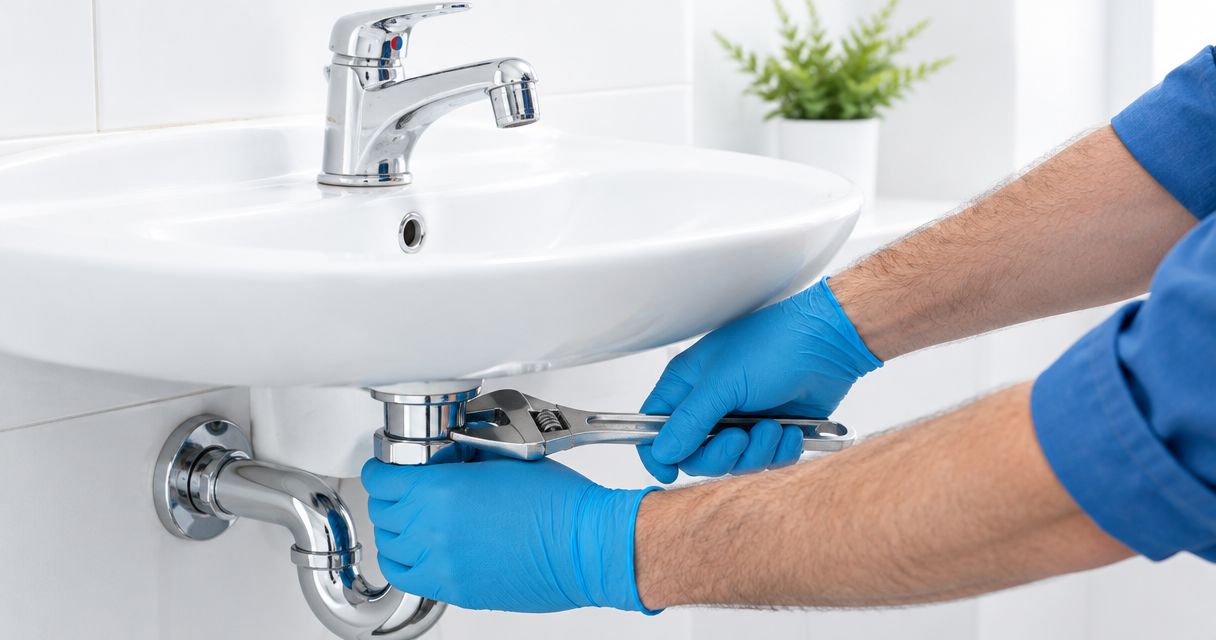
Best overall: repair a leaking supply pipe. Best for recurring backups: investigate a repeatedly slow drain. Best for controlling fixture leaks: repair a faulty faucet or toilet. These are the plumbing repairs to schedule before they become emergencies on your 2026 maintenance list; Worry-less is a fit for homeowners and property managers seeking scheduled plumbing repairs and help with late-night plumbing emergencies.
- Prioritize plumbing repairs to schedule before they become emergencies by active leakage, recurring blockages, and unreliable shutoff valves.
- Worry-less handles scheduled plumbing repairs and late-night emergency plumbing service calls.
- Schedule contained fixture problems; seek urgent help for uncontrolled water, sewage backups, or unsafe conditions.
- For rental properties, document the location, symptoms, and whether the affected fixture remains usable.
Why this matters
A small plumbing problem deserves attention before you decide whether it deserves an emergency call. The useful distinction is control: can you stop using the affected fixture and keep the area dry, or is water continuing to escape?
For homeowners, that distinction helps separate a scheduled repair from an urgent call. For landlords, property managers, and businesses in the Cincinnati tri-state area, it also helps explain the situation to occupants without promising a repair time before a plumber confirms it.
Build your 2026 rental maintenance plan around observed problems, not guesses about how long a part should last. A recurring leak, unreliable valve, or repeated blockage gives you a concrete reason to schedule service.
What makes a plumbing repair worth scheduling?
Use these criteria before choosing which problem comes first:
- Active water escape: A visible supply leak deserves attention ahead of a cosmetic fixture complaint.
- Recurrence: A drain that repeatedly slows needs more investigation than a single, resolved obstruction.
- Ability to isolate: A working fixture shutoff changes your options; a valve that will not close removes them.
- Loss of essential use: A problem affecting the only usable toilet carries different urgency from an unused sink.
- Clear repair scope: Describe the symptom first. A dripping faucet does not automatically require replacing the entire fixture.
A scheduled appointment is appropriate only while the problem remains controlled. Do not keep a routine appointment as your only plan when water is spreading or sewage is backing up.
Plumbing repair priorities at a glance
These 7 repair priorities cover different failure points. The order is a practical starting point, not permission to leave an active problem unattended.
| Repair | Best for | Main benefit | Key limitation |
|---|---|---|---|
| Leaking supply pipe | Visible pipe drips or wet joints | Addresses water escaping under pressure | A visible wet spot does not establish the full source |
| Unreliable shutoff valve | Fixtures that cannot be isolated | Restores a way to stop fixture water | Replacement requires controlling the upstream supply |
| Recurring slow drain | Repeated drainage problems | Investigates an unresolved restriction | Clearing a drain alone does not repair damaged piping |
| Running or unstable toilet | Refill cycling or movement | Addresses wasted water or a faulty connection | Different symptoms require different repairs |
| Dripping faucet | Contained fixture leaks | Targets worn fixture components | Internal parts depend on the fixture |
| Leaking sink drain | Damp cabinets or dripping traps | Addresses leakage during drainage | The source can be above the trap |
| Water-heater connection leak | Dampness around external connections | Identifies the source before choosing a repair | A leaking tank is not a routine connection repair |
1. Leaking supply pipe: best for visible drips and wet joints
A supply pipe carries water to a fixture. A drip at a joint, recurring dampness around a fitting, or fresh moisture on exposed piping gives a plumber a specific starting point for diagnosis.
If you can safely isolate the affected supply, stop using it and arrange repair. Water continuing to escape after you close the relevant valve changes the situation from routine scheduling to urgent assessment.
Leaking supply pipe pros:
- Addresses a source of ongoing water escape.
- Gives the plumber an observable symptom.
- Allows nearby exposed connections to be checked.
Leaking supply pipe limitations:
- Water can travel before becoming visible.
- A patch does not establish whether adjacent piping is sound.
Best for: A visible pipe leak that you can safely isolate while awaiting service.
For a rental, record whether the leak occurs continuously or only during fixture use. That detail helps distinguish supply leakage from drainage leakage.
Verdict: Skip temporary patches as a maintenance plan; schedule a proper assessment.
2. Unreliable shutoff valve: best for restoring fixture control
A fixture shutoff lets you stop water to a toilet, faucet, or other connected fixture without necessarily shutting down the entire property. A valve that leaks, seizes, or fails to stop flow needs attention before you depend on it during another repair.
Do not force a stuck valve. Stop if operating it causes leakage, and tell the plumber which fixture it serves.
Shutoff valve repair pros:
- Restores a useful way to isolate a fixture.
- Supports later faucet or toilet repairs.
- Addresses leakage at the valve itself.
Shutoff valve repair limitations:
- Work requires control of the upstream water supply.
- Replacing a valve does not fix a separate fixture fault.
Best for: A fixture with an unreliable isolation valve, especially where another repair is already planned.
For occupied properties, confirm the expected water interruption before arranging the work. Do not promise tenants that other fixtures will remain usable until the repair scope is clear.
Verdict: Skip forcing the handle; schedule valve repair before relying on it.
3. Recurring slow drain: best for repeated drainage problems
A sink, tub, or shower that repeatedly drains slowly needs more than a fresh attempt at clearing the symptom. Tell the plumber whether the problem affects one fixture or several, and whether water backs up elsewhere when you use it.
Stop using affected fixtures if sewage backs up. Repeatedly running water to test a known backup adds water to an unresolved problem.
Drain investigation pros:
- Focuses attention on a recurring restriction.
- Helps distinguish an isolated fixture problem from a wider drainage issue.
- Creates an opportunity to identify the cause before choosing the repair.
Drain investigation limitations:
- Symptoms alone do not locate the obstruction.
- Drain clearing does not repair a broken or displaced pipe.
Best for: A drain that slows again after apparently returning to normal.
Tell the plumber about any drain chemicals already used. Do not mix drain products or add another chemical to an unresolved blockage.
Verdict: Skip repeated symptom-only fixes; schedule investigation of the recurring blockage.
4. Running or unstable toilet: best for refill cycling or movement
A toilet that refills without being flushed can have an internal leak or fill-control problem. A toilet that rocks or shows moisture at its base presents a different issue involving its mounting, connection, or another nearby source.
Describe those symptoms separately. If the toilet moves or leaks at the base during use, stop using it until assessed rather than treating it as a simple tank adjustment.
Toilet repair pros:
- Addresses unwanted refill cycles.
- Allows mounting and connection problems to be assessed.
- Helps restore dependable use of an essential fixture.
Toilet repair limitations:
- Tank repairs do not resolve every base leak.
- Tightening bolts without diagnosis can damage the fixture.
Best for: A toilet with repeated refill cycling, movement, or visible leakage.
In a rental property, state whether another usable toilet is available. That fact helps communicate the impact without inventing an emergency response deadline.
Verdict: Skip treating every toilet symptom as the same repair; report the exact behavior.
5. Dripping faucet: best for a contained fixture leak
A faucet that drips after you turn it off often needs attention to its internal sealing components. Leakage around the handle, spout base, or cabinet below requires a different inspection path.
Record where the water appears and whether it happens while the faucet runs or after it is off. Do not assume that replacing the faucet is the only repair option.
Faucet repair pros:
- Targets the component causing the symptom.
- Addresses a persistent drip.
- Provides a chance to check accessible supply connections.
Faucet repair limitations:
- Replacement parts depend on the fixture design.
- A cabinet leak can originate outside the faucet body.
Best for: A contained faucet problem that does not leave water escaping into the cabinet or building.
Worry-less provides clear explanations and practical repair advice for scheduled plumbing repairs. Ask what is leaking, what the proposed work addresses, and whether another defect needs separate attention.
Verdict: Skip accepting a persistent drip as normal; schedule a fixture assessment.
6. Leaking sink drain: best for moisture inside cabinets
A sink drain can leak at its strainer, trap, or connecting joints. Moisture beneath a sink can also come from a supply connection, so the location of the puddle does not prove which component has failed.
Stop using the sink if draining water produces leakage. Move stored items away and avoid touching wet electrical equipment or connections.
Sink drain repair pros:
- Addresses leakage during fixture use.
- Gives access to exposed drainage connections.
- Helps identify whether moisture originates above the trap.
Sink drain repair limitations:
- Tightening the wrong connection does not fix the source.
- Previously wet cabinet materials need separate assessment.
Best for: A sink that remains dry when unused but leaks while water drains.
For maintenance coordination, note whether a dishwasher or another connected appliance was running when the moisture appeared. Report the observation without deciding which appliance or pipe caused it.
Verdict: Skip repeated tightening without diagnosis; schedule repair of the actual leak.
7. Water-heater connection leak: best for unexplained nearby dampness
Water near a water heater requires source identification. An external pipe connection, relief discharge, and a leaking tank are different conditions; they do not share a single repair.
Do not cap a relief outlet or attempt to stop its discharge by plugging it. Avoid wet electrical areas, and seek urgent help if water is spreading or the equipment presents an unsafe condition.
Connection-leak assessment pros:
- Separates external piping issues from tank leakage.
- Prevents choosing a repair based only on puddle location.
- Supports a clear explanation of the next step.
Connection-leak assessment limitations:
- External repair does not fix a leaking tank.
- Identifying the source can require professional inspection.
Best for: Dampness around water-heater connections that needs diagnosis rather than an assumed replacement decision.
Verdict: Skip guessing from the puddle; arrange assessment of the source.
How these repairs were ranked
This 2026 list puts uncontrolled water risk and loss of fixture control ahead of contained nuisance symptoms. Recurrence and essential fixture use also affect priority. The repair categories are not interchangeable: a dripping faucet is not automatically more urgent than a slow drain affecting several fixtures.
Which plumbing repair should you schedule first?
Start with an active leak or an unreliable shutoff valve. Then address recurring drainage trouble and fixture faults while they remain contained.
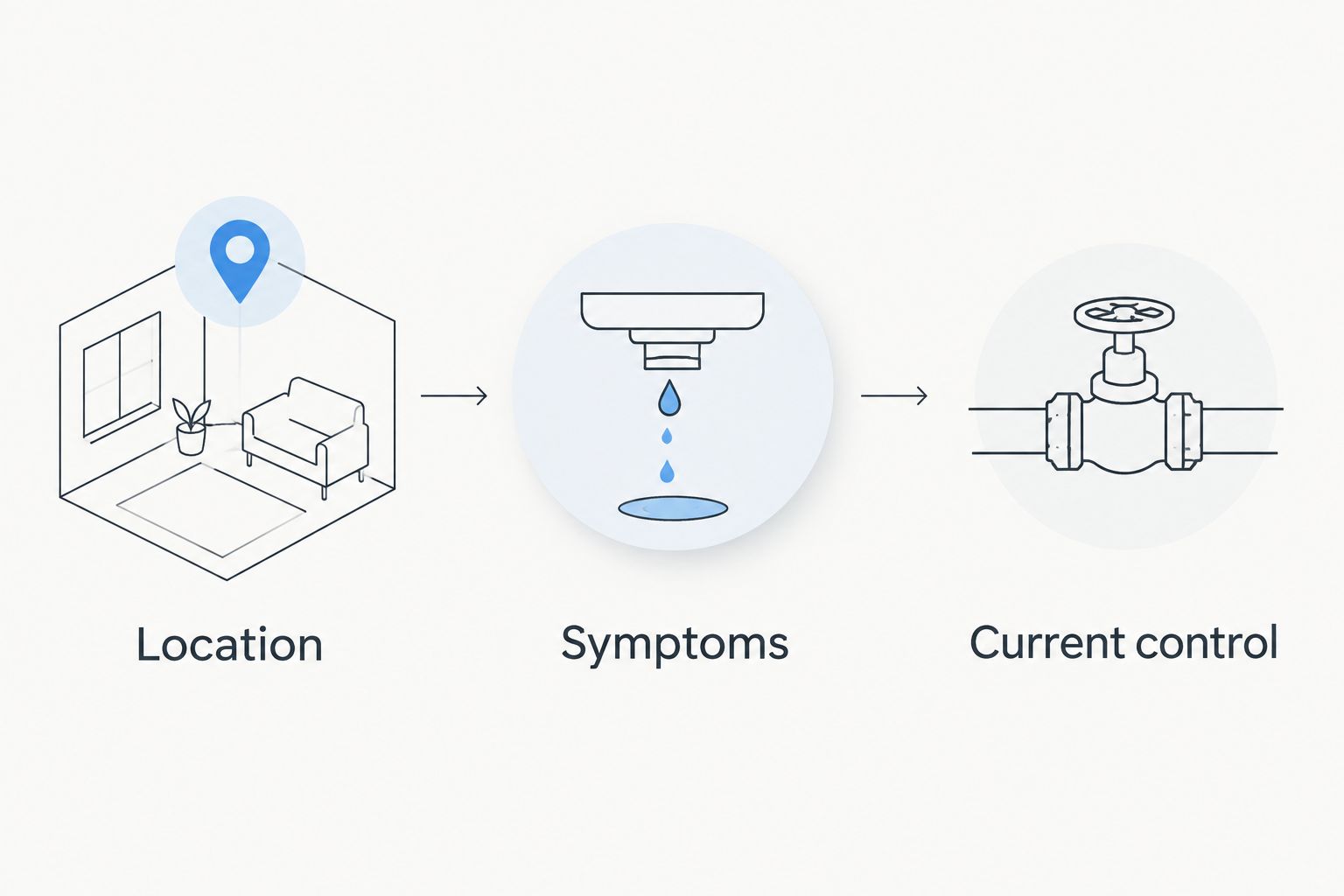
For a service request, organize 3 intake details:
- Location: Identify the room, fixture, and visible wet area.
- Symptoms: Explain when the leak, noise, or backup happens.
- Current control: State whether water is isolated and the fixture remains usable.
Keep 2 service paths separate: scheduled repair for a controlled problem, and urgent help for uncontrolled leakage, sewage backup, or unsafe conditions. Worry-less handles both scheduled plumbing repairs and late-night emergency plumbing service calls; confirm timing when making your request.
Discuss your plumbing repair
Explain the symptom and ask about scheduled repairs or help with a late-night plumbing emergency.
FAQ
What are the best plumbing repairs to schedule before they become emergencies?
Prioritize leaking supply pipes, unreliable shutoff valves, recurring slow drains, toilet faults, dripping faucets, leaking sink drains, and unexplained water-heater connection leaks. Active leakage and loss of water control move a problem ahead of a contained nuisance.
Can a small pipe leak wait for a scheduled appointment?
A small pipe leak belongs on a scheduled appointment only while you can safely control it. Seek urgent help if water continues escaping, spreads into building materials, or reaches electrical equipment.
Should I call a plumber if my drain keeps slowing down?
Yes, recurring slow drainage deserves investigation. Explain whether one fixture or several are affected, and stop using affected fixtures if sewage backs up.
Is a running toilet the same problem as a leaking toilet base?
No, refill cycling and base leakage are different symptoms. A tank component repair does not automatically address a mounting or drainage connection problem.
What should landlords include in a plumbing repair request?
Include the fixture location, observed symptoms, and whether the water is controlled. Explain whether an essential fixture remains usable and confirm access arrangements rather than assuming them.
Does Worry-less handle scheduled repairs as well as late-night emergencies?
Yes, Worry-less handles scheduled plumbing repairs and late-night emergency plumbing service calls. Confirm appointment timing and the repair scope when you make contact.
Should I include minor plumbing faults in my 2026 maintenance plan?
Yes, include observed leaks, recurring blockages, and unreliable shutoff valves in your 2026 maintenance plan. Prioritize their actual condition rather than assigning every fixture an arbitrary replacement date.
One last thing
An unreliable shutoff valve deserves attention even when the fixture it serves still works. For your 2026 maintenance notes, record which valves are known to leak or fail to close; do not force unknown or seized valves just to complete a checklist.