Business weekend plumbing is the diagnosis and repair of commercial plumbing problems outside the normal workweek, with the aim of restoring usable facilities and controlling water damage. When you need a weekend plumber for a restroom outage, the decision starts with what has stopped working, whether water or sewage is escaping, and whether another suitable restroom remains available.
- Choose a weekend plumber for active leaks, sewage backups, or restroom failures that cannot safely wait.
- Worry-less handles plumbing service calls, including late-night emergencies; confirm weekend scheduling directly.
- For business plumbing repair, separate immediate containment from scheduled repairs and maintenance.
- Give the plumber clear symptoms, affected fixtures, and a reachable on-site contact.
Why weekend plumbing matters for businesses
A business restroom outage affects more than a fixture. Employees need usable facilities, customers need clear directions, and a landlord or property manager needs enough information to coordinate repairs without confusing reports.
Worry-less is best suited to plumbing service calls that need practical repair advice, including late-night emergencies and scheduled repairs. Contact Worry-less to discuss the symptoms and confirm scheduling; an after-hours search does not establish an arrival time.
The keyword data supplied for this 2026 guide estimates 480 searches per month nationally for “weekend plumber.” That is not Cincinnati demand and does not show which businesses need emergency work. Your decision should follow the condition of the property, not the popularity of the search.
For businesses in the Cincinnati tri-state area, the useful distinction is urgent containment versus work that can be scheduled. Confirm the service address directly rather than assuming coverage from a regional search result.
Handle a restroom outage in six steps
Establish what has failed
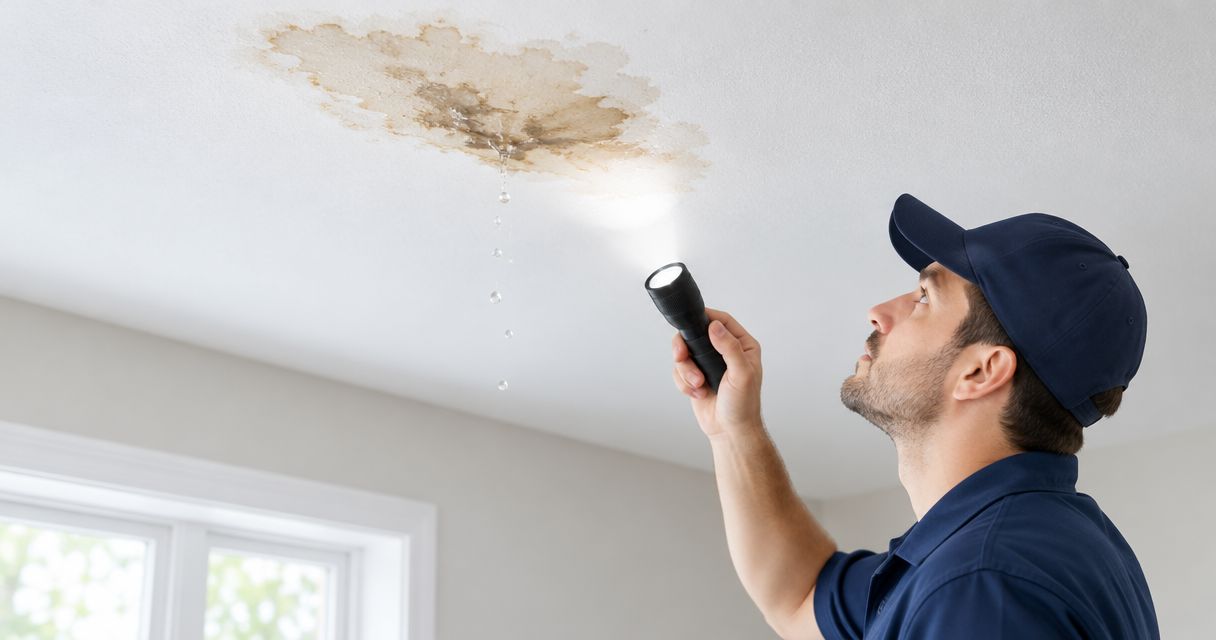
Start with observation, not disassembly. A toilet that will not flush, a sink with no water, and wastewater rising from a floor drain are different problems. Describe what you can see without naming a cause you cannot verify.
Collect 3 facts before the call: the affected fixtures, whether water is escaping, and whether another restroom works. Those facts give the plumber a useful starting point and help a manager explain the disruption to staff.
In a multi-tenant building, check whether the report concerns a private restroom or a shared facility. Do not assume that a problem reported by one tenant is limited to that tenant's space.
- Identify the affected toilet, sink, drain, or supply pipe.
- Note whether the issue affects one fixture or several.
- Record when the problem was first noticed.
- Describe visible water, sewage, unusual sounds, or recurring symptoms.
- Check whether another restroom is usable without entering an unsafe area.
Stop use and limit exposure
Take the affected fixture out of use before repeated flushing or testing spreads the problem. Keep employees and customers away from sewage, slippery floors, and water near electrical equipment. Do not send an untrained person into standing water to investigate.
If a clearly identified fixture shutoff is safely accessible, closing it can stop the water supply to that fixture. Do not force a stuck valve or operate an unfamiliar building valve. A broader shutoff can affect other occupants and equipment, so explain the situation to the responsible building contact.
Use this simple containment sequence in your 2026 restroom-outage instructions: Stop use, Restrict access, Report symptoms, Confirm next steps. It keeps the first response focused on safety rather than an improvised repair.
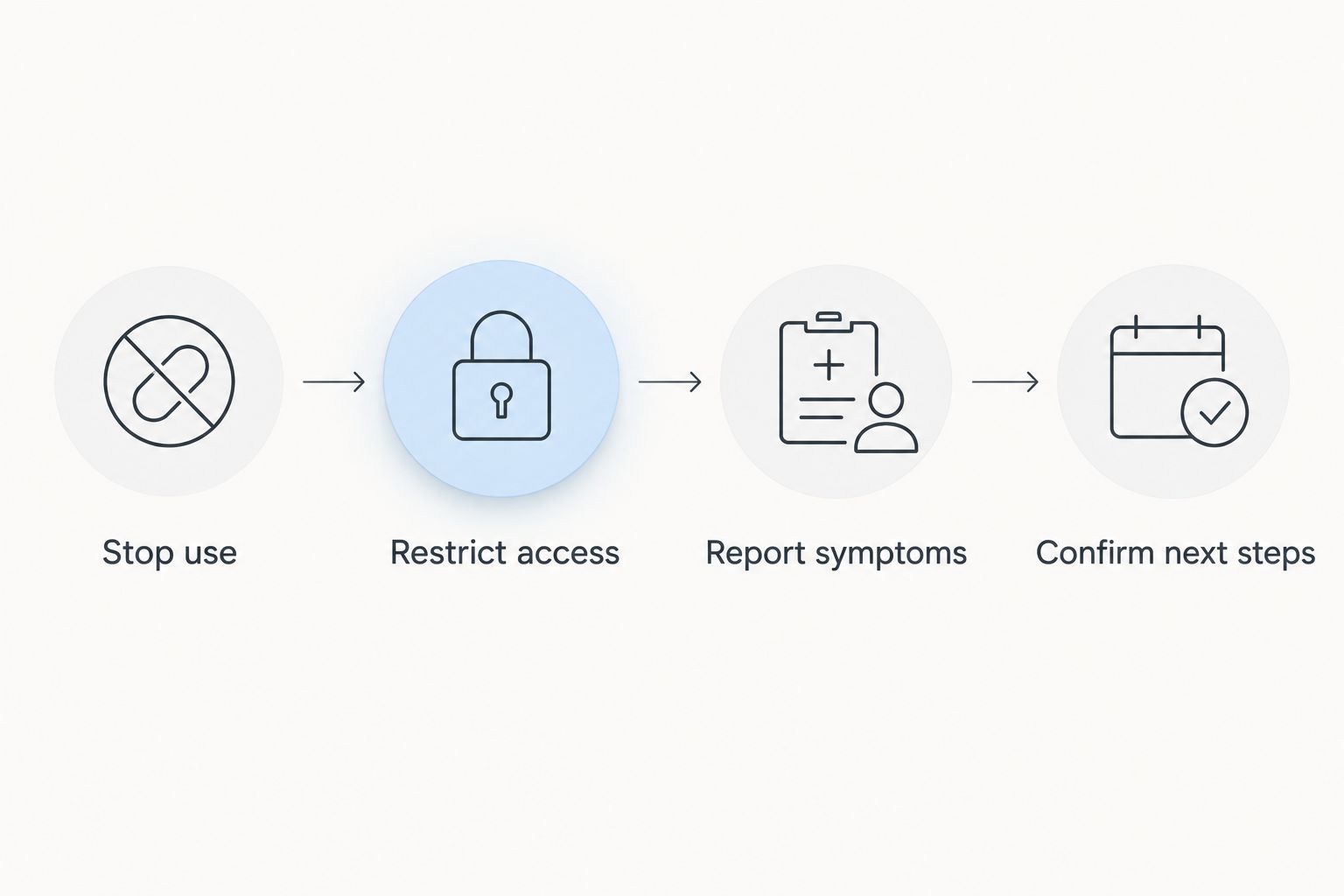
Do not treat a closed restroom door as a complete response. Staff need to know which facility is unavailable and who is coordinating the repair.
- Stop flushing an overflowing or backed-up toilet.
- Mark the affected restroom or fixture out of use.
- Keep people away from contaminated water and electrical hazards.
- Close a known fixture shutoff only when safe and accessible.
- Report any shutoff action to the plumber and building contact.
Choose urgent help or a scheduled repair
Active water escape and sewage exposure take priority over convenience. An overflowing toilet that cannot be contained needs a different response from a dripping faucet with a working shutoff and another usable sink.
A contained problem is not automatically a problem you should leave until the next workday. Consider whether the remaining facilities are suitable for the people using the building and whether you can keep the affected area safely closed. Ask the appropriate local authority about operating requirements when restroom access is inadequate; a plumber's repair advice does not replace that determination.
Worry-less handles late-night emergency plumbing calls as well as convenient scheduled repairs. Explain the condition first, then confirm whether the requested timing and service location can be accommodated.
- Seek urgent assessment for uncontrolled leaks or sewage backups.
- Report loss of all usable restrooms clearly.
- Consider scheduled repair for a safely isolated fixture with a suitable alternative.
- Explain whether the business is open, closed, or preparing to reopen.
- Ask what to do while waiting and what changes require another call.
Send a clear repair brief
A useful repair request describes symptoms, impact, and access arrangements you have actually confirmed. It should not promise access on behalf of a tenant or suggest that a particular part needs replacement without a diagnosis.
Send 2 updates: an initial report and a follow-up if conditions change. A new overflow, another affected fixture, or a shutoff that does not stop the leak changes the information the plumber needs.
For a landlord or property manager, the plumbing repair guide for Cincinnati property managers provides a relevant companion to this business-outage checklist. Keep tenant observations separate from your own observations so the repair discussion starts with clear facts.
- Provide the service address and exact restroom location.
- Name a reachable person who can discuss the problem.
- Describe affected fixtures and any working alternatives.
- Share photos taken from a safe location, when useful.
- State any drain cleaner or other product already used.
- Confirm who can approve the proposed work.
Coordinate the visit without losing the repair details
Use one designated contact for the repair discussion where practical. Several people giving different descriptions can obscure what happened first, what has changed, and which fixtures remain out of use.
Ask for a clear explanation of the finding, the immediate repair, and any separate follow-up work. Emergency containment and a lasting repair are not always the same scope. Understand what the proposed work addresses before authorizing it, rather than assuming every related issue is included.
For your 2026 maintenance file, record the location and symptom in ordinary language. “Rear restroom toilet overflows when flushed” is more useful than an unsupported diagnosis copied into future work requests.
- Confirm the on-site contact and any known access restrictions.
- Explain which other tenants or work areas are affected.
- Ask what the proposed repair will address.
- Separate immediate work from recommended follow-up.
- Request practical instructions for using the fixture after repair.
Check operation and schedule unfinished work
Before returning the restroom to use, ask what was repaired and what checks were completed. Confirm that affected areas have been appropriately cleaned and that any remaining restriction is understood. Plumbing repair alone does not establish that a sewage-contaminated area is ready for normal use.
Keep scheduled maintenance as a separate decision, not an afterthought. A recurring leak, loose faucet, or toilet that repeatedly needs attention deserves a repair plan even when the immediate outage has ended.
Worry-less provides clear explanations and practical repair advice. Use that discussion to distinguish work completed during the call from work that still needs a scheduled visit.
- Confirm which fixtures can return to use.
- Ask which symptoms require another call.
- Record completed work and unresolved findings separately.
- Arrange any recommended scheduled repair.
- Update staff and affected tenants with the same instructions.
- Add recurring issues to your 2026 maintenance list.
Compare your restroom-outage options
Choose the response that matches the condition, not simply the day of the week. Each option has a useful role and a clear limit; none replaces a diagnosis when the cause is uncertain.
| Option | Best for | Main advantage | Key limitation |
|---|---|---|---|
| Safe isolation and monitoring | A contained fixture problem with a suitable working alternative | Limits use of the affected fixture while you arrange repair | Does not diagnose or fix the underlying fault |
| Scheduled plumbing repair | Stable leaks, faucet faults, or toilet problems that can safely wait | Lets you coordinate the repair with building activity | Inappropriate for uncontrolled water or sewage exposure |
| Weekend emergency assessment | Active leaks, sewage backups, or an outage that cannot safely wait | Addresses a problem outside the normal workweek | Scheduling and repair scope require direct confirmation |
| Worry-less plumbing service call | Businesses seeking late-night help or a scheduled repair with practical explanations | Covers the stated need for emergency help and routine repair | Weekend timing, service address, and the specific job must be confirmed |
Do not choose isolation merely because another restroom exists. The alternative must actually be usable and suitable for the people who need it. Likewise, a weekend call does not mean every repair can be completed during that visit; ask what the initial work will cover.
Discuss your restroom outage
Describe the symptoms and ask about late-night help or a scheduled repair.
Common mistakes businesses make during restroom outages
Repeatedly testing a backed-up toilet
Another flush can send more water into an already overflowing bowl. Stop use and report the symptoms rather than testing whether the problem has disappeared. Tell staff not to test the fixture independently.
Treating every outage as either an emergency or routine maintenance
Neither blanket rule works. A contained faucet issue with a suitable alternative differs from sewage entering an occupied area. Base the decision on water escape, contamination, and usable facilities—not whether it is Saturday.
Assuming the landlord and tenant have already coordinated
A tenant's report does not confirm repair approval, and a landlord's instruction does not confirm access. Establish the responsible contact and communicate the actual arrangements without assuming a standing agreement or service procedure exists.
Reopening without understanding what remains unresolved
A fixture that appears to work is not the same as a completed repair with clear use instructions. Ask what was fixed, what remains, and whether cleaning or follow-up work is necessary before normal use resumes.
Letting a temporary fix disappear from the maintenance list
Once the business reopens, a contained leak or isolated fixture is easy to overlook. Keep unresolved work visible in your 2026 maintenance records and assign someone to arrange the scheduled repair.
FAQ
When should a business call a weekend plumber for a restroom outage?
Call a weekend plumber when an active leak, sewage backup, or loss of usable facilities cannot safely wait. Describe whether the water is contained and whether another suitable restroom works so the plumber can assess the request.
Can a business stay open if its only restroom stops working?
Do not assume the business can remain open without a usable restroom. Operating requirements depend on the premises and applicable rules; contact the appropriate local authority while arranging the plumbing repair.
Should I shut off the water to an overflowing toilet?
Close the toilet's clearly identified supply valve if you can reach and operate it safely. Stop flushing, keep people away from the overflow, and do not force a stuck valve.
Is a weekend plumbing call always an emergency?
No, a weekend plumbing request can concern either urgent work or a scheduled repair. Active water escape, sewage exposure, and the lack of suitable restroom access are more useful decision points than the day of the week.
What should a property manager send before a plumber arrives?
Send the service address, affected fixtures, visible symptoms, and a reachable contact. Include confirmed access arrangements, any shutoff actions, and information about products already used in the drain.
Does Worry-less guarantee weekend or same-day arrival?
A guaranteed weekend or same-day arrival is not stated. Worry-less handles plumbing service calls including late-night emergencies; confirm the requested appointment and service location directly.
What should I ask before approving a restroom repair?
Ask what the proposed work addresses, what remains unresolved, and what instructions apply after the repair. Keep emergency containment separate from any scheduled follow-up so you understand the scope you are authorizing.
One last thing
The most useful handoff is a plain-language symptom record, not a guessed diagnosis. Save the initial report alongside the repair explanation. If the same restroom fails again, the next conversation can start with what happened and what was done—not a recollection of which part someone thought was responsible.