Tenants should report the exact location, what water or sewage is doing, whether it is still spreading, and any immediate safety hazards during a plumbing emergency. For emergency plumbing repair, also tell your landlord or property manager when the problem started, which fixtures are affected, what you have safely stopped using, and how to reach you without delaying the first call to collect photos.
- Emergency plumbing repair reports should identify the location, active water flow, affected fixtures, and immediate hazards.
- Report sewage backups and water near electricity immediately; stay away from the affected area.
- Contact your landlord or property manager promptly, then update them as conditions change.
- Worry-less handles plumbing service calls, including late-night emergencies; confirm availability when you make contact.
For Cincinnati tri-state homeowners, landlords, property managers, and businesses, Worry-less provides plumbing service calls, including help with late-night emergencies and scheduled repairs. Report what you can observe safely, not a diagnosis you cannot confirm.
What should tenants report during a plumbing emergency?
A useful tenant report gives the person arranging repairs enough information to understand the immediate problem and locate it. Use this reporting sequence for your 2026 rental-property maintenance instructions, but make the initial call immediately if water is spreading or sewage is backing up.
- Exact location. Give the property address, unit, room, and fixture or visible pipe involved. Distinguish water beneath a sink from water coming through the ceiling above it.
- Current condition. Say whether water is dripping, spraying, pooling, rising, or no longer moving. For a drain problem, explain whether wastewater is coming back into the fixture.
- Affected fixtures. Identify whether the problem involves a toilet, sink, shower, appliance connection, or several fixtures. Report what you already noticed; do not run fixtures to investigate.
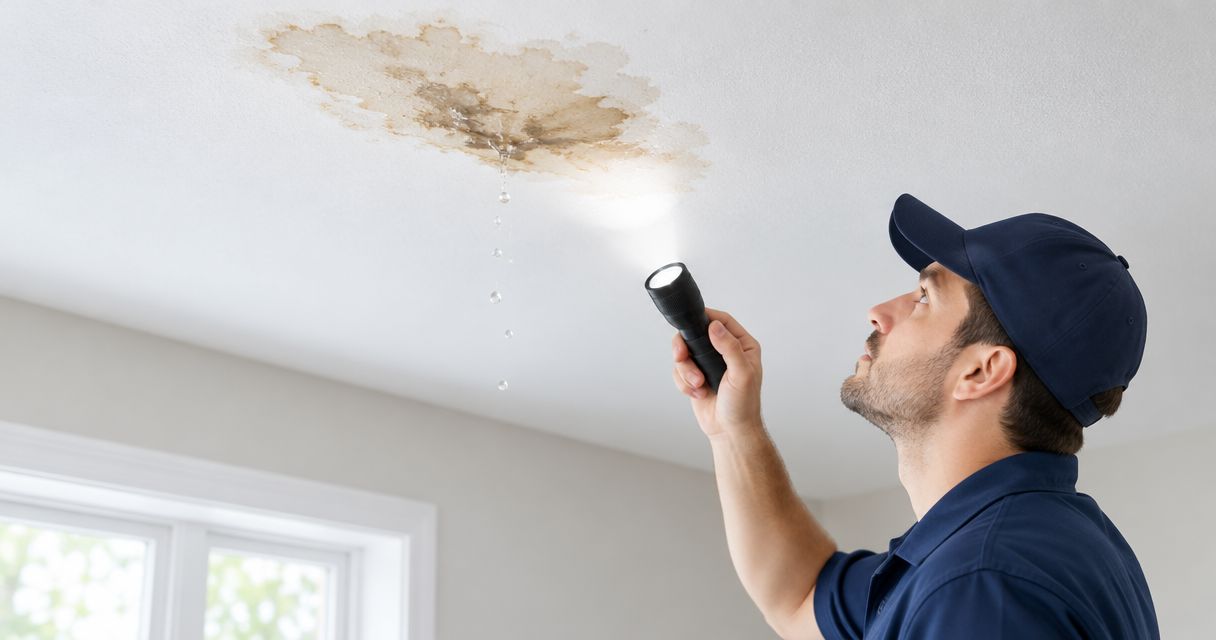
- Immediate hazards. Mention water near outlets or electrical equipment, sewage, an overhead leak, or a ceiling that is bulging or sagging. Keep away from these areas.
- Timing and changes. State when you first noticed the problem and whether it has become worse. Distinguish an approximate discovery time from a confirmed start time.
- Actions and contact. Explain what you stopped using, whether a known valve was safely closed, and how the landlord or property manager can reach you.
You do not need technical vocabulary. A description of water spraying beneath the kitchen sink is more useful than an unsupported claim that a particular valve has failed.
Why this matters
A tenant sees the immediate condition; the landlord or property manager coordinates the response. A clear report connects those roles without asking the tenant to diagnose or repair the plumbing.
For your 2026 maintenance records, separate the original report from later updates. Water that stopped after a fixture was isolated is a different current condition from water that continues spreading, but both still need a repair decision.
A stopped leak is not a completed repair. Tell the person coordinating the work what changed so the next step reflects the current situation rather than the first message alone.
Active leaks: describe the water before guessing the cause
For a leaking pipe or suspected burst pipe, report where you can actually see water. Include whether it is contained beneath a fixture, crossing the floor, entering another room, or appearing from a wall or ceiling.
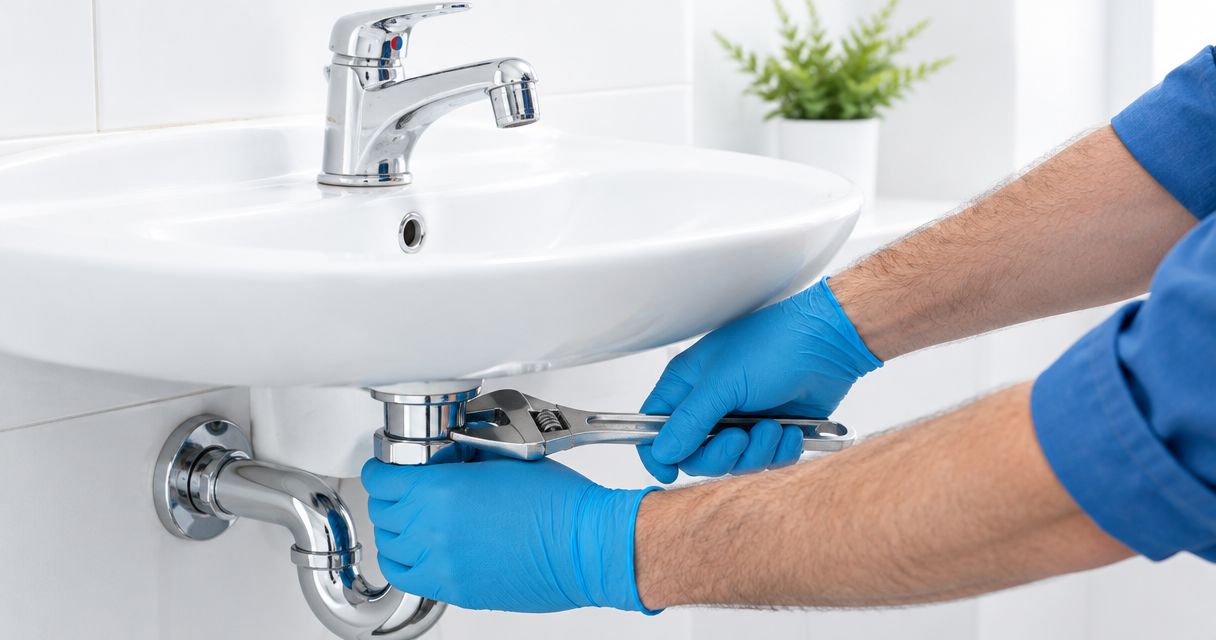
If you know the fixture shutoff valve and can reach it without entering an unsafe area, closing it can help limit a fixture leak. Do not force a stuck valve, dismantle fittings, or search through standing water for a shutoff.
Tell the landlord exactly what happened after any safe action. If the flow slowed but did not stop, report that distinction instead of saying the leak is fixed.
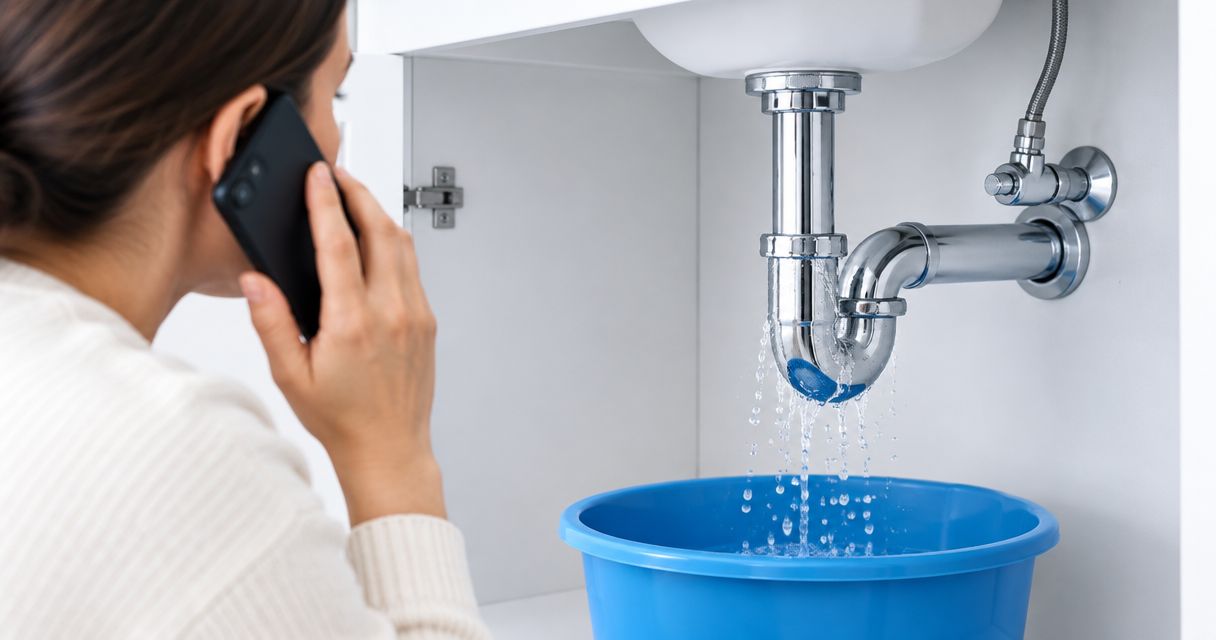
- Useful observation: Water is dripping from the pipe beneath the bathroom sink and collecting in the cabinet.
- Useful update: The sink is no longer being used, but water is still appearing beneath it.
- Unsupported diagnosis: The whole building needs new pipes.
Do not stand beneath a bulging ceiling to get a better photograph. Report the location from a safe position and keep people away from the area below it.
Drain and toilet backups: report what is coming back
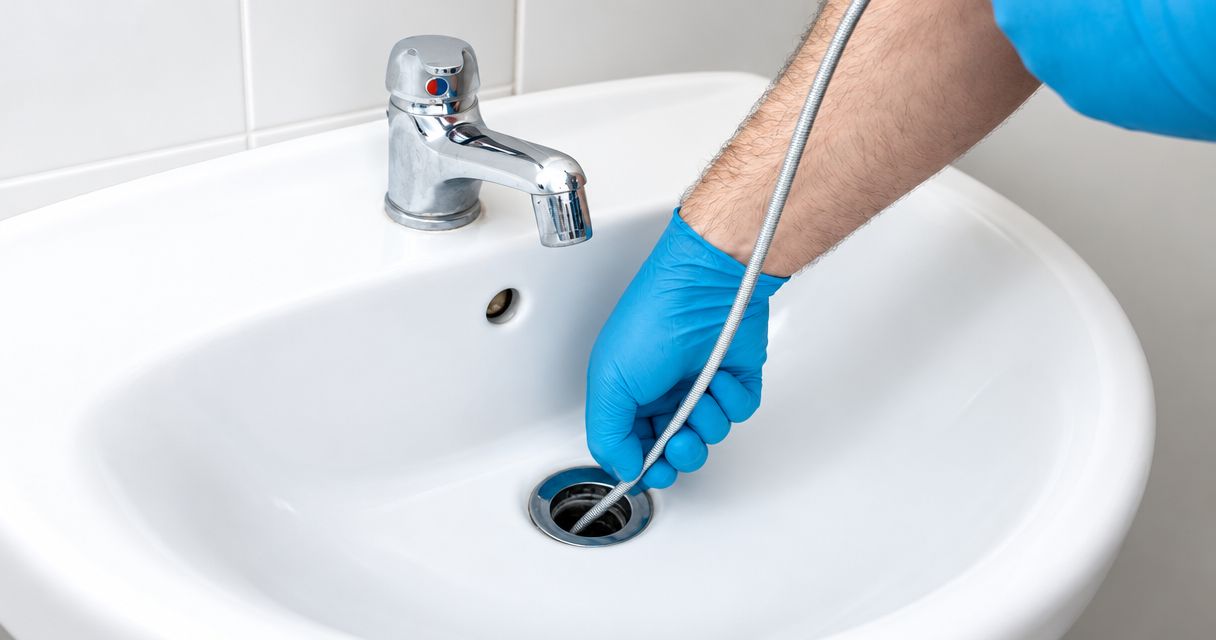
For a blocked drain, explain whether water simply drains slowly or comes back up. Identify the affected fixture and report any other fixtures that were already behaving unusually.
For an overflowing toilet, say whether the bowl keeps rising, whether water has reached the floor, and whether it appears to contain waste. Stop flushing an overflowing toilet. Keep people and pets away from sewage and avoid contact with contaminated water.
Do not run additional sinks, showers, or appliances to see whether a backup happens again. That test adds water to a system that is already showing a problem.
If you used a drain cleaner before reporting the blockage, tell the person coordinating the repair which product you used. Do not add another chemical or mix cleaners; the plumber needs to know about chemicals already present before working on the drain.
Emergency response or scheduled repair: what should you report?
Describe the condition rather than deciding urgency from the fixture name alone. A faucet with a contained drip and a faucet connection spraying water across a room require different reports.
Use this 2026 reporting comparison to explain what is happening. It is not a promise of service availability or a substitute for an on-site assessment.
| Reporting route | Best for | What to tell the coordinator | Benefit | Limitation |
|---|---|---|---|---|
| Immediate emergency report | Active spreading water, sewage backup, or a plumbing problem creating an immediate hazard | Current flow, affected area, hazards, and any safe isolation already completed | Brings the active condition to attention promptly | Contact alone does not confirm a plumber's availability or arrival time |
| Scheduled repair request | A contained problem with no active spreading water or immediate hazard | Fixture, symptoms, recurrence, and whether it remains usable | Supports planned repair coordination | A worsening condition requires a fresh report rather than waiting silently |
A dripping faucet, recurring toilet issue, or leaking pipe still deserves attention when the immediate situation is controlled. Scheduled repairs give the landlord or property manager a way to address the fault without treating every maintenance request as an active emergency.
If you cannot tell which route fits, describe the observable condition and ask for direction. Do not delay reporting while trying to classify the problem perfectly.
Why the response to a plumbing report varies
The response depends on the condition being reported, not just whether the message says emergency. These factors help a landlord, property manager, or plumber understand what needs attention:
- Continuing flow: Water that is still escaping needs a different immediate plan from an isolated fixture awaiting repair.
- Wastewater involvement: Sewage changes the exposure concern and makes avoiding the affected area especially important.
- Electrical hazards: Water near outlets, appliances, or electrical equipment makes approaching the area unsafe.
- Affected scope: Report whether the visible problem involves a single fixture or whether several fixtures are already affected.
- Changing conditions: New ceiling staining, spreading water, or another affected room belongs in an update.
- Time of contact: A late-night or weekend request requires confirmation of current availability; a search result does not establish it.
These details explain the situation without promising a particular repair, response time, or outcome. The person arranging the work should confirm the next action rather than leave the tenant to infer it.
What should a tenant do before a plumber arrives?
Prioritize safety, stop using affected fixtures, and keep the coordinator updated. Do not attempt repairs that require tools, dismantling, chemical treatment, or access to unsafe areas.
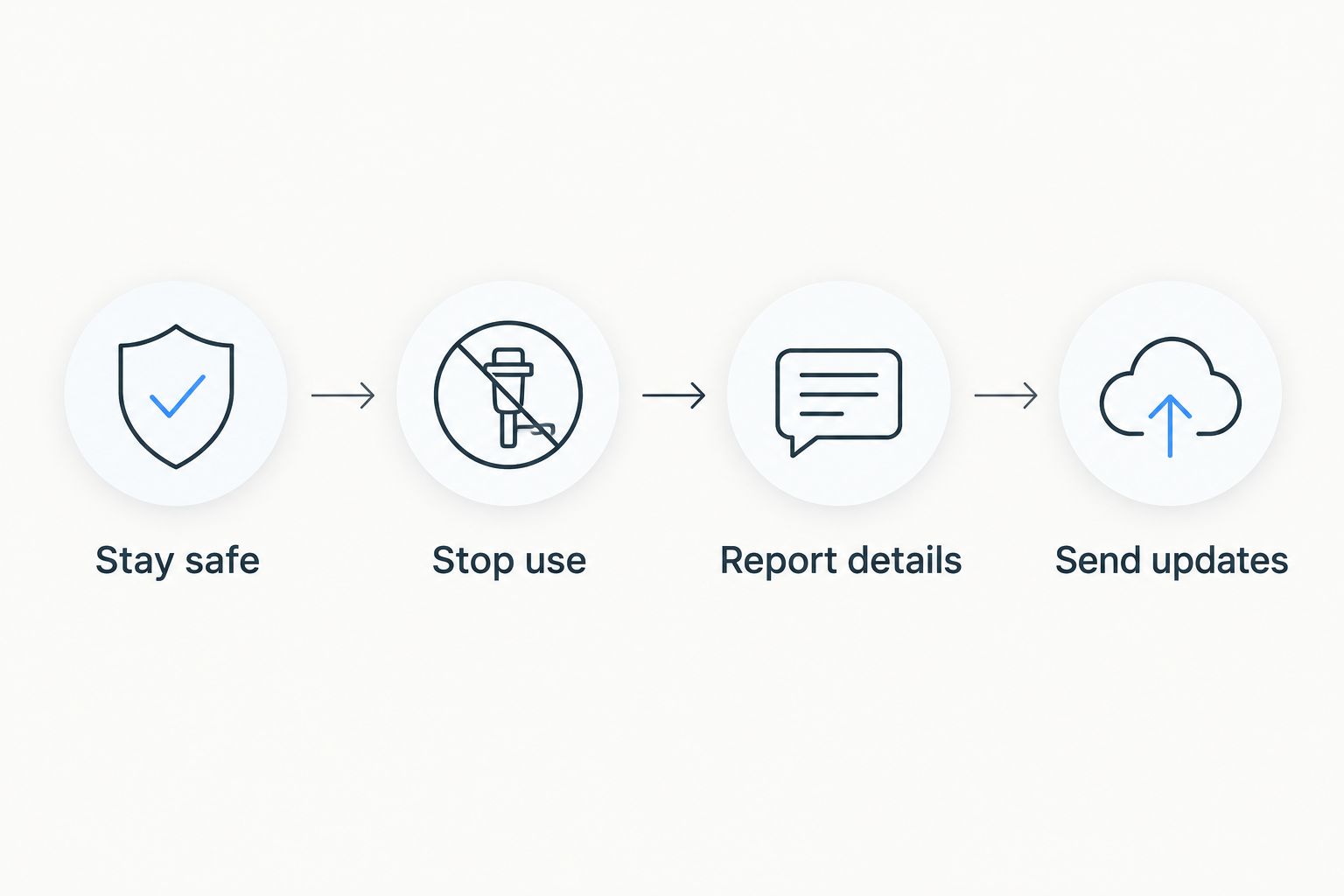
Use this sequence while waiting for instructions:
- Stay safe. Keep away from sewage, water near electricity, and damaged or sagging ceilings. If there is immediate danger, move to safety and contact emergency services.
- Stop use. Stop using the affected fixture. For a backup, avoid adding more water through connected fixtures while awaiting direction.
- Report details. Send the location, current condition, hazards, and a reachable contact number through the property's established reporting method.
- Send updates. Report worsening conditions, safe isolation of the leak, or newly affected areas without repeatedly testing the plumbing.
For a 2026 rental-property instruction sheet, keep the reporting method easy to find before a problem occurs. Tenants should not have to search an old message thread while water spreads across a floor.
Photos help when they can be taken from a safe position, but the initial report comes first. Do not move closer to electrical hazards or contaminated water to document damage.
What should landlords and property managers confirm?
Acknowledge the report and confirm the location, current condition, and whether the tenant is away from any immediate hazard. Ask focused questions rather than asking the tenant to troubleshoot the plumbing.
Record what has been reported as an observation. If the tenant says the ceiling is wet, do not turn that into a confirmed pipe diagnosis before the source has been assessed.
Keep scheduling information separate from repair facts. Confirm who is coordinating with the plumber and communicate any agreed arrangements through the property's normal process; do not assume access has been arranged because a repair request exists.
Worry-less is a practical fit for property owners seeking plumbing repairs and help with late-night emergencies. Worry-less plumbing service calls include clear explanations and practical repair advice, while current availability and the next step still need confirmation when you make contact.
Does stopping the leak mean the emergency is over?
Stopping visible water does not establish that the plumbing fault is repaired. Report how the flow stopped and whether the affected fixture remains out of use.
A closed fixture valve can change the immediate situation without resolving the failed connection or other underlying problem. The landlord or property manager still needs to arrange the appropriate repair and communicate what happens next.
Should tenants wait until morning to report a leak?
Tenants should report active spreading water, sewage backups, and immediate hazards promptly rather than wait until morning. Follow the property's established emergency reporting instructions and state whether the condition is continuing.
A controlled, nonurgent issue can be handled through the normal maintenance process. Do not assume a late-night request guarantees immediate attendance; confirm the response directly.
FAQ
What information does a plumber need for emergency plumbing repair?
An emergency plumbing repair report should identify the address, unit, affected fixture, current water flow or backup, and immediate hazards. Include when you noticed it and any safe action already taken.
Should I call my landlord before arranging a plumber?
Use your property's established emergency reporting instructions to contact the landlord, property manager, or designated contact. Do not assume you have authorization to arrange paid work; prioritize safety if there is immediate danger.
Should I send pictures before calling about a leak?
Do not delay the first report to take pictures of an active leak. Send photographs afterward only if you can take them without approaching hazards.
What should I report if my toilet is overflowing?
Report whether the bowl is still rising, whether water has reached the floor, and whether waste is present. Stop flushing and keep people and pets away from contaminated water.
Can I wait for a scheduled repair after closing a valve?
Tell the landlord or property manager that the valve is closed and describe whether water has stopped. They need the updated condition to coordinate the next step; isolation alone does not repair the fault.
Does a late-night plumber search guarantee someone can come immediately?
A late-night plumber search does not guarantee availability or an arrival time. Confirm both directly when contacting a plumbing service.
Does Worry-less handle scheduled plumbing repairs as well as emergencies?
Worry-less handles scheduled plumbing repairs and plumbing service calls that include late-night emergencies. Describe the current problem when making contact and confirm the available next step.
One last thing
Add a status update to your 2026 maintenance record when the situation changes. A message that water stopped after the fixture valve was closed prevents the original emergency description from becoming the only information everyone shares.
Close the communication loop, not just the valve. Confirm that the person coordinating the repair knows what remains unusable and what still needs attention.