Leaking pipe repair needs a plumber when water keeps escaping, the source is hidden, a pipe is split, or the leak involves a ceiling, electrical equipment, or wastewater. Stop using affected fixtures, shut off the water if you can reach the correct valve safely, and arrange urgent help for uncontrolled leaks; a contained leak still needs a scheduled repair rather than a permanent place under a bucket.
- Leaking pipe repair is urgent when water is uncontrolled, near electricity, or entering a sagging ceiling.
- A contained leak needs scheduled plumbing repair, even when a bucket keeps the floor dry.
- Worry-less handles plumbing service calls, including late-night emergencies; confirm scheduling when you make contact.
- For rental properties, report the exact location, water status, and affected fixtures before coordinating access.
Why this matters
Judge a leak by what the water is doing, not how dramatic the drip looks. A slow leak inside a wall is harder to contain than a visible drip beneath a sink, and a dry floor does not prove the surrounding materials are dry.
Worry-less offers plumbing service calls, including late-night emergency help and convenient scheduled repairs. This 2026 guide separates situations that need urgent attention from contained problems you can coordinate for a repair appointment.
Leaking pipe repair: which warning signs need a plumber?
Call a plumber for an active pipe leak, recurring moisture at a fitting, or evidence of a concealed leak. The warning signs below help you decide whether to seek emergency attention or arrange scheduled work.
| Warning sign | What to do now | Repair priority |
|---|---|---|
| Water sprays, flows continuously, or keeps spreading | Shut off the supply if safely accessible; stay clear of electrical hazards | Urgent plumbing help |
| Water appears beside wiring, outlets, or electrical equipment | Keep away from the wet area and electrical equipment | Immediate safety attention and urgent plumbing help |
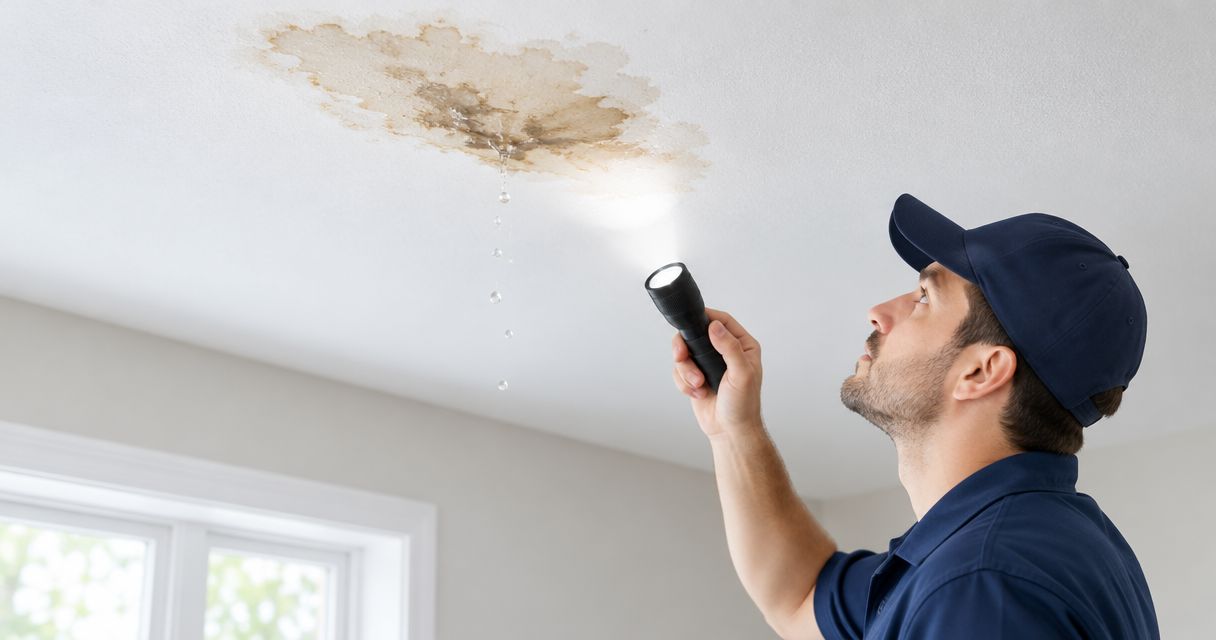
| A ceiling bulges, sags, or sheds wet material | Keep people out from underneath; do not puncture it | Urgent attention |
| Wastewater escapes or backs up | Stop using affected fixtures and keep people away | Urgent plumbing help |
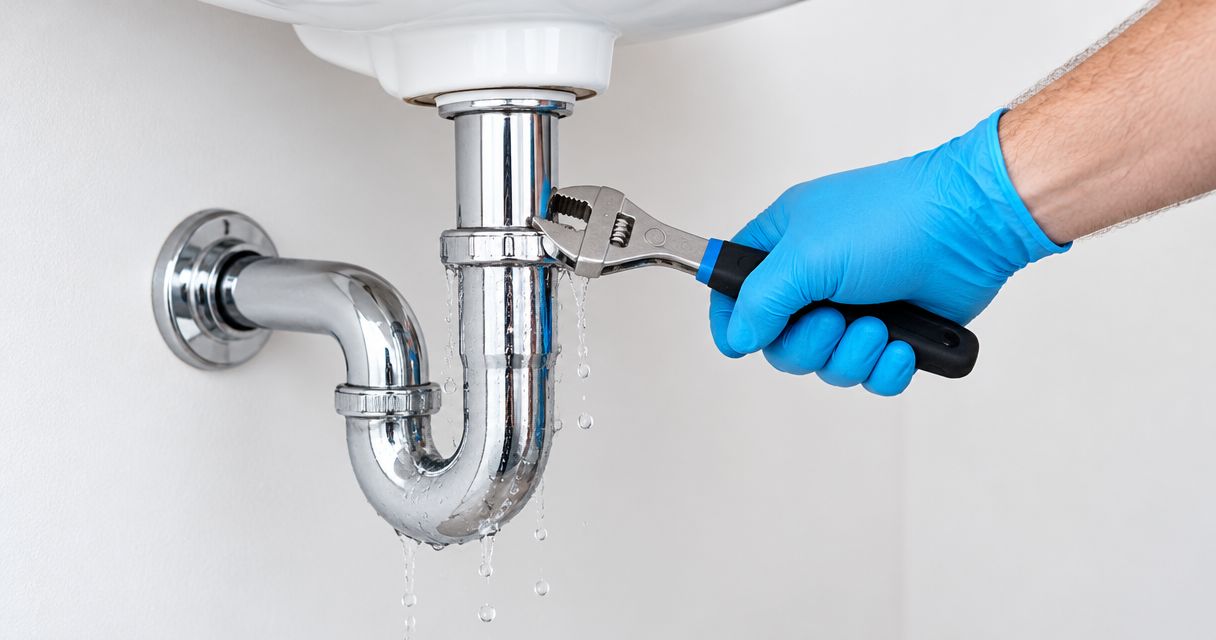
| A visible drip stops after isolating one fixture | Keep the fixture out of use and monitor the area | Scheduled repair if containment holds |
| A stain returns, flooring swells, or a musty smell persists | Document the location and request investigation | Prompt assessment for a possible hidden leak |
A stain or smell alone does not identify a leaking pipe. Roof leaks, condensation, and other moisture sources can leave similar clues, so describe what you observe rather than declaring a diagnosis.
What should you do before the plumber arrives?
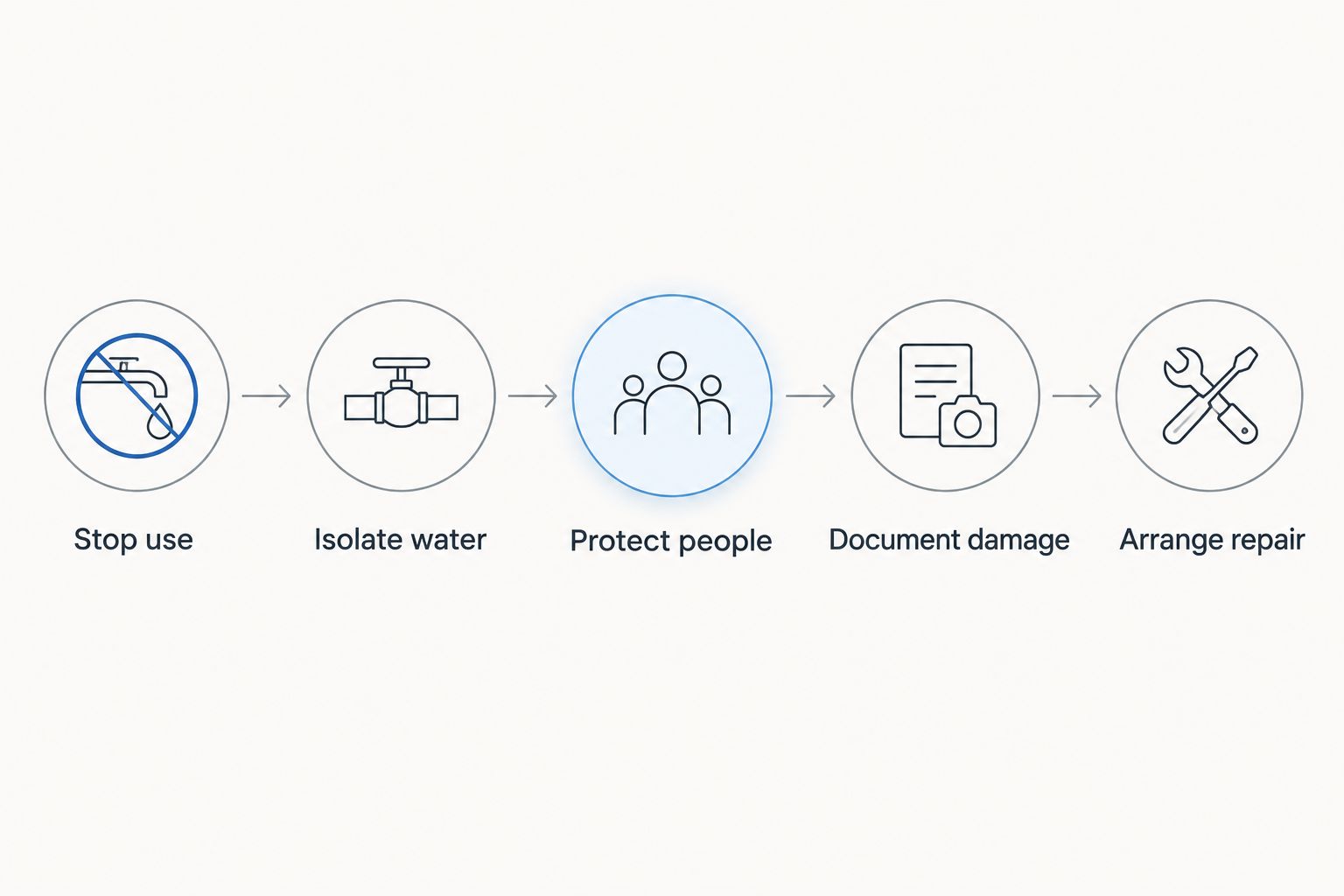
Follow this sequence only where conditions are safe. Do not enter standing water to reach a valve, appliance, or electrical panel.
- Stop use. Stop using the affected sink, toilet, appliance, or drain. For wastewater leaks, avoid running water into the affected drainage system.
- Isolate water. Close an accessible fixture shutoff if it controls the leak. If it does not, use the main shutoff only when you know its location and can reach it safely; do not force a stuck valve.
- Protect people. Keep occupants away from wet electrical areas, sagging ceilings, and contaminated water. Move belongings only when doing so is safe.
- Document damage. Photograph the visible leak and nearby damage from a safe position. Note whether water continues after the shutoff is closed.
- Arrange repair. Describe the location, whether the water is controlled, and any electrical, ceiling, or wastewater concerns when requesting help.
A closed valve is a temporary control, not proof that the problem is resolved. Water already inside a wall or ceiling still needs attention, and the damaged pipe must be assessed before normal use resumes.
Uncontrolled leaks: seek urgent plumbing help
A burst pipe, spraying connection, or flow that continues after an attempted shutoff belongs in the urgent category. Do not keep experimenting with fittings while water spreads through the building.
Tell the plumber whether the main water supply is off and whether occupied rooms are affected. If you cannot locate or operate the shutoff safely, say so immediately rather than delaying the call while searching.
In 2026, an after-hours or same-day search is a way to find help, not a promise of arrival time. Ask whether the plumber can attend, what you should leave shut off, and what information will help them assess the situation.
Best next step: request urgent help when you cannot safely control the water. Keep the affected area clear while you wait for instructions.
Contained leaks: arrange a scheduled repair
A visible leak that stops after isolating a fixture can suit scheduled repair when the area stays dry, the fixture remains unused, and there are no electrical, ceiling, or wastewater hazards. This is a conditional decision: spreading moisture or renewed flow changes the priority.
A bucket catches water but does not repair a connection. Likewise, a towel wrapped around a pipe can conceal continued leakage rather than resolve it.
For a scheduled visit, clear accessible storage beneath the fixture without disturbing the plumbing. Explain whether the leak happens continuously, only during use, or after water drains away; those observations help distinguish a supply-side problem from a drainage problem.
Worry-less plumbing service is best for readers seeking late-night help or convenient scheduled repairs with clear explanations. Confirm the appointment arrangements directly; neither a search result nor this guide establishes availability.
Hidden leaks: arrange an assessment before opening surfaces
Recurring stains, damp cabinets, peeling finishes, swollen flooring, and persistent moisture deserve investigation even without a visible drip. Do not assume the pipe nearest the stain is the source: water can travel along building materials before appearing.
Record where the moisture first appeared and whether it changes when a particular fixture runs. Avoid cutting into a wet wall or ceiling yourself, especially where wiring or other services could be concealed.
For your 2026 maintenance record, separate observations from conclusions. Write that the cabinet becomes wet after sink use, for example, rather than stating that a supply pipe has failed when nobody has confirmed the source.
An unexplained increase in water use is another reason to investigate, but a bill alone cannot locate a leak. Give the plumber both the usage concern and any visible evidence.
Why leaking pipe repair varies
The right repair depends on the actual failure, not simply the presence of water. These factors shape the investigation and the work you should discuss:
- Leak location. An exposed connection is accessible; a concealed pipe needs its source located before repair access is planned.
- Supply or drainage. Supply pipes carry water under pressure, while drainage leaks often become visible during discharge. The symptoms call for different checks.
- Pipe and fitting condition. A failed joint, damaged section, and deteriorated surrounding material require different repair decisions.
- Shutoff effectiveness. A working isolation valve can keep an affected fixture out of use. A failed or inaccessible valve complicates containment.
- Nearby damage. Wet cabinets, flooring, ceilings, or electrical equipment require attention beyond stopping the plumbing leak.
- Property use. A leak affecting the only usable toilet or a shared supply creates different coordination needs from an isolated, unused fixture.
Ask the plumber to explain the confirmed source, the proposed repair, and any remaining investigation. Request a distinction between restoring the plumbing and addressing wet building materials; finishing one task does not automatically complete the other.
Can a leaking pipe wait until morning?
A leaking pipe can wait for a scheduled visit only when you have safely stopped the leak, the affected fixture stays out of use, and no warning signs remain. Uncontrolled water, electrical exposure, wastewater, or a sagging ceiling should not be treated as a routine appointment.
Check the contained area without touching wet electrical items or disturbing damaged surfaces. If water returns or spreads, reassess the situation and seek urgent help.
Is a temporary patch enough for a leaking pipe?
A temporary patch is not a substitute for diagnosing and repairing a leaking pipe. A patch can cover the visible escape point while leaving the underlying fault unresolved.
Do not tighten unfamiliar fittings, apply heat, or dismantle pressurized plumbing to try to avoid a call. Shut off the affected supply when safe and ask what temporary measures, if any, are appropriate for the specific pipe.
What should landlords tell a plumber about a rental-property leak?
Landlords should report the property address, exact leak location, whether water is still escaping, and which fixtures or occupied areas are affected. Include the tenant's observations without asking the tenant to dismantle plumbing or enter an unsafe area.
For rental-property maintenance in 2026, keep the initial report, photographs, shutoff status, and repair findings together. This creates a useful record for follow-up without assuming the repair provider offers an account program or maintenance contract.
Coordinate the repair without losing the details
Confirm who will communicate with occupants and how access will be arranged under the property's normal procedures. Tell the plumber about any known access restrictions before settling the appointment.
After the visit, record which fixture or pipe was repaired, whether normal use has been restored, and whether further investigation or drying remains. Avoid closing the maintenance request solely because the visible dripping stopped.
For businesses, the same principle applies: identify affected fixtures and areas before deciding what can remain in use. Do not reopen a wet or unsafe area simply because the supply has been turned off.
FAQ
What's the clearest sign I need emergency leaking pipe repair?
Water you cannot safely stop or contain is a clear reason to seek emergency leaking pipe repair. Water near electrical equipment, wastewater leakage, and sagging wet ceilings also require urgent attention.
Can I keep using a sink if the pipe underneath is leaking?
Stop using a sink when its pipe is leaking until the source is assessed. Running more water can add to a drainage leak, while a supply leak can continue even when the faucet is off.
Does a brown ceiling stain mean a pipe is leaking?
A brown ceiling stain does not prove a pipe is leaking. Plumbing leaks, roof leaks, and other moisture sources can leave stains; report whether the area is wet, growing, or changing during fixture use.
Should I shut off all the water for a small leak?
Use the affected fixture's shutoff when it is accessible, safe to operate, and actually stops the leak. If it does not control the water, use the main shutoff only if you can reach and operate it safely.
Who should a tenant contact about a leaking pipe?
A tenant should notify the landlord or property manager through the property's established maintenance process and describe any immediate hazards. Stay clear of electrical risks and damaged ceilings rather than attempting a repair.
Does Worry-less handle late-night plumbing calls?
Worry-less handles plumbing service calls, including late-night emergencies, as well as scheduled repairs. Confirm attendance and scheduling directly; no guaranteed response time is stated here.
What should I ask after a leaking pipe repair in 2026?
After a leaking pipe repair in 2026, ask what failed, what was repaired, and whether the affected plumbing is ready for normal use. Also ask whether wet materials or concealed areas need further attention.
One last thing
Photograph the leak's location before clearing the area, if you can do so safely. A dry cabinet at appointment time does not show where water originally collected, and a simple description of when the leak happens can help the plumber investigate.
Keep that photograph with the repair findings. For homeowners and property managers alike, the useful endpoint is a confirmed repair and clear follow-up—not just an empty bucket.