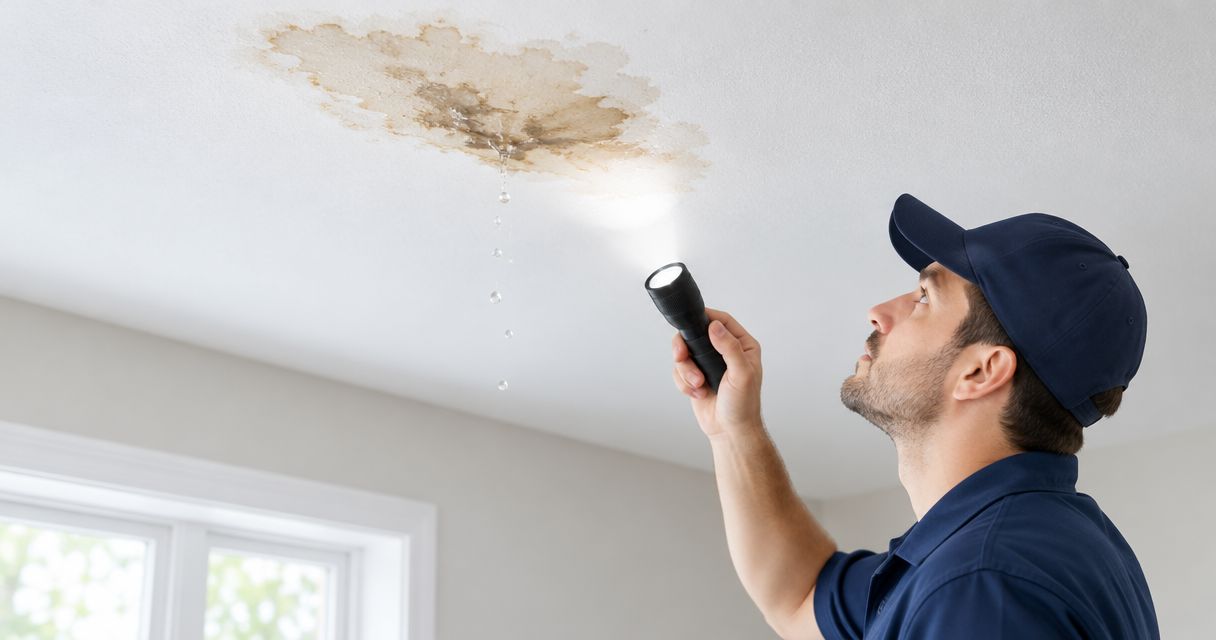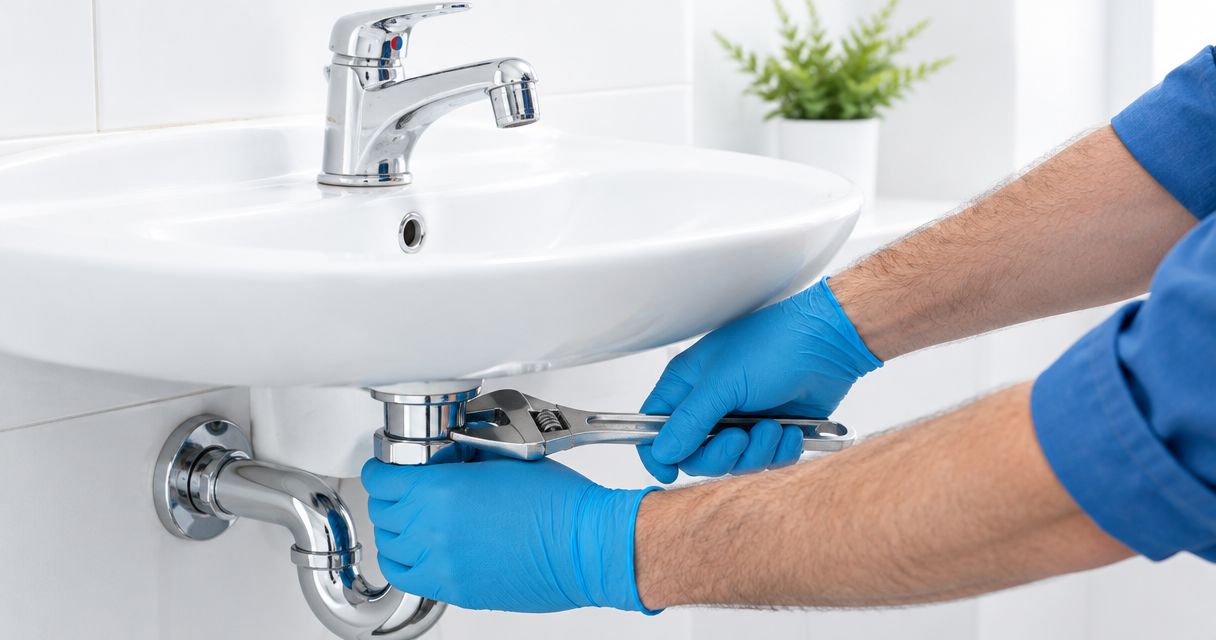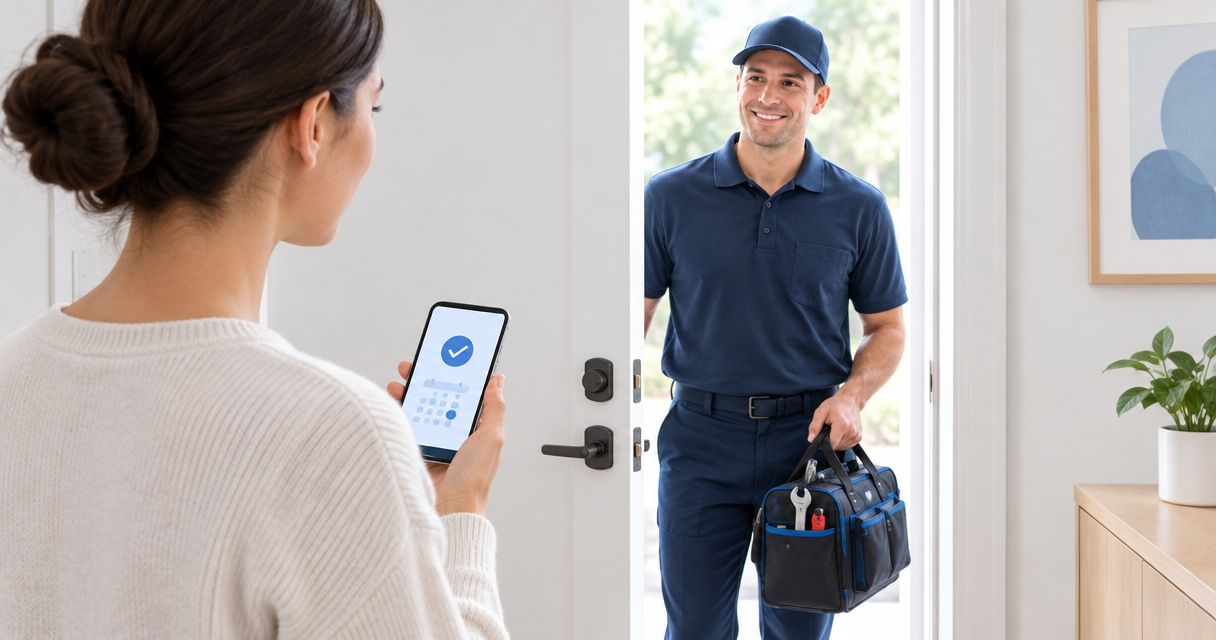
To prepare tenant access for a same day plumber, confirm the appointment, agree on a lawful entry arrangement, and tell the plumber exactly where the problem is. Give the tenant clear instructions about clearing the work area and reporting changes, but do not treat a booking as permission to enter. For an active leak or sewage backup, address immediate safety and water-control concerns while arranging the visit.
- A same day plumber booking does not replace tenant permission or applicable entry requirements.
- Confirm the arrival window, entry arrangement, repair location, and responsible contact before the visit.
- Keep scheduled plumbing repairs separate from situations involving uncontrolled water or sewage.
- Worry-less handles plumbing service calls, including late-night emergencies; confirm the appointment before preparing access.
How do you prepare tenant access for a same-day plumbing visit?
Prepare access before the plumber travels, not after the plumber reaches the property. Your 2026 rental-maintenance checklist should distinguish appointment confirmation, permission to enter, and physical access. None substitutes for the others.
For Cincinnati-area homeowners, landlords, and property managers arranging service with Worry-less, the useful starting point is a clear description of the plumbing problem. Then settle the access details with the tenant and the person attending the property.
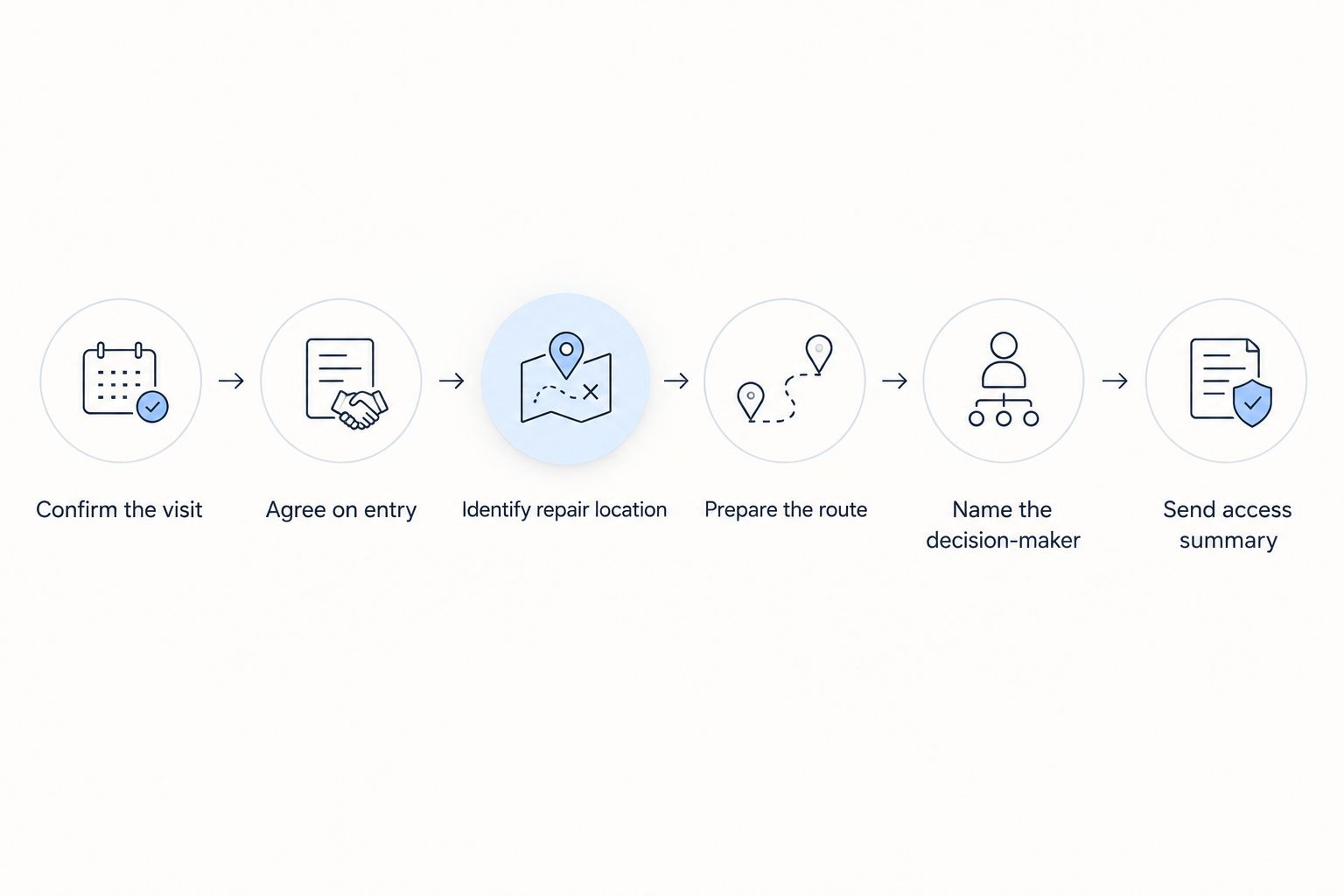
1. Confirm the visit before promising it to the tenant
Ask whether the plumber has accepted the job and what arrival window applies. A search result for a same day plumber is not an appointment, and a request for service is not confirmation.
Tell the tenant what is confirmed and what remains undecided. Avoid promising an exact arrival time unless the plumber has supplied one, and agree on how you will pass along any scheduling changes.
Before ending the booking conversation, establish:
- The property address and affected unit.
- The plumbing problem and whether it is getting worse.
- The agreed arrival window, if one has been provided.
- The contact who will receive updates.
- Whether anyone needs to meet the plumber outside.
2. Agree on a lawful entry arrangement
Check the lease and applicable entry requirements before arranging access. Do not assume that a repair request, an appointment confirmation, or possession of a key authorizes entry. Emergency-entry questions require their own assessment under the applicable rules.
Ask the tenant whether they expect to be present and establish the access arrangement you are authorized to use. Document the agreement clearly rather than relying on a message that only says someone will be around.
If permission or required notice remains unresolved, tell the plumber before dispatch. Do not leave the technician to resolve a landlord-tenant disagreement at the door.
3. Identify the exact repair location
Describe the fixture and room, not just the symptom. A bathroom sink leaking inside its cabinet is a more useful description than a general report of water in the apartment.
Ask for a brief description and, when practical, a photo of the visible problem. Tell the tenant not to dismantle fittings, reach into contaminated water, or move appliances to produce a better picture.
Include relevant observations without turning them into a diagnosis. Water appearing beneath a toilet, for example, is an observation; declaring that the toilet needs replacement is a repair decision that requires assessment.
4. Prepare the route and work area
Ask the tenant to clear a safe route to the affected fixture and move ordinary personal belongings away from the immediate work area. Keep pets away from the entrance and repair area during the visit.
Make the request specific: empty the sink cabinet, remove items around the toilet, or clear the path through the utility room. Do not ask tenants to move heavy equipment, handle sewage-contaminated belongings, or touch wet electrical equipment.
If the suspected problem involves a shared space, establish who can authorize and provide access there. Entry to an apartment does not necessarily provide access to a locked utility room.
5. Name the decision-maker and backup contact
Identify who can discuss the assessment and authorize the repair. The person opening the door and the person approving the work do not have to be the same person, but the plumber needs to know the difference.
Give that decision-maker the appointment details and ask them to remain reachable. Explain who to contact if the initial assessment points to work beyond the original request; do not assume the tenant has authority to approve it.
6. Send one final access summary
Bring the agreed details together in a concise message. Include the address, unit, problem location, arrival window, access arrangement, and responsible contact.
Ask the tenant to report any material change before arrival, such as water spreading or another fixture backing up. Keep sensitive access details within the agreed communication channel rather than placing them in a public maintenance notice.
Why this matters
Access preparation gives the plumber a route to the problem and a person who can make decisions. It also gives the tenant a clear account of what will happen inside their home, without asking them to manage the repair.
For your 2026 maintenance process, separate three records: the reported problem, the agreed entry arrangement, and the repair outcome. A completed visit does not explain how entry was authorized, and an access agreement does not confirm that the plumbing problem was fixed.
Property managers coordinating several units can use the same basic checklist for each appointment while keeping each tenant's arrangements separate. The plumbing repair services for Cincinnati property managers guide provides a related planning reference.
Which access arrangement fits the visit?
Best for a routine occupied-unit repair: the arrangement that meets entry requirements and gives the plumber clear access. No option removes the need to confirm permission, timing, and repair authority.
| Access arrangement | Best for | Practical benefit | Limitation to address |
|---|---|---|---|
| Tenant present | A tenant who wants to explain an intermittent problem | The tenant can describe what happens during normal use | The tenant's schedule must match the agreed window |
| Authorized property representative present | A visit requiring owner or manager coordination | The representative can handle access and contact the decision-maker | The representative still needs proper authority to enter |
| Agreed access without the tenant present | A visit where lawful access has been clearly arranged | The tenant does not need to attend | Instructions, permission, and secure entry arrangements must be settled beforehand |
Do not choose unattended access merely because it appears easier to schedule. If the arrangement is unclear, resolve it before the visit rather than asking the plumber to interpret it.
Why access preparation varies between properties
Use the same core checklist, but adjust the details to the actual building and repair. These factors change what you need to coordinate:
- Problem location: A faucet repair inside a unit requires different access from a suspected leak in a shared utility space.
- Water control: An accessible fixture shutoff and a building-wide shutoff create different coordination needs. Do not operate an unfamiliar valve without appropriate guidance.
- Tenant attendance: Confirm whether the tenant will meet the plumber or whether another authorized arrangement applies.
- Shared facilities: A common drain or shared plumbing area can involve spaces beyond the reporting tenant's unit.
- Repair authority: Establish who can approve work when the assessment differs from the original report.
- Changing conditions: Spreading water or sewage changes the immediate safety response, even while access details are being settled.
During a 2026 checklist review, keep these as questions to answer, not assumptions to copy between properties. Similar floor plans do not establish identical shutoff locations or entry arrangements.
What should you send before the plumber arrives?
A useful access message is short enough to read at the door. Put the operational details first and leave unrelated tenancy matters out of the repair conversation.
Use this order:
- Location: Full address, unit identifier, and any necessary entrance description.
- Reported issue: A plain description of the symptom and affected fixture.
- Current condition: Whether water is still flowing, contained, or stopped, based on the latest report.
- Access arrangement: Who will meet the plumber or what authorized arrangement has been agreed.
- Work-area preparation: What the tenant has been asked to clear and any known obstacles.
- Decision contact: The person authorized to discuss and approve the repair.
Avoid copying confidential tenant information into a message that does not need it. Send only what is necessary to locate the property, arrange entry, and carry out the visit.
What if the plumbing problem gets worse before arrival?
An appointment does not replace immediate safety action. If water is spreading, tell occupants to keep away from affected electrical equipment and avoid standing water near an electrical hazard. Do not ask anyone to cross an unsafe area to reach a valve.
For a leak at a fixture, use an accessible shutoff only when it is safe and you know what it controls. If sewage is backing up, stop using affected fixtures and keep people and pets away from the contaminated area.
Update the plumber with the changed conditions. Do not assume the original booking communicates the new urgency or guarantees an earlier arrival.
Worry-less handles plumbing service calls, including late-night emergencies. Worry-less is for property owners seeking plumbing repairs, including help with late-night emergencies. Confirm whether the requested visit can be accepted; a same-day search does not establish availability.
Can a routine repair wait for a scheduled visit?
A contained problem without an immediate safety concern belongs in a scheduling discussion, not an automatic emergency callout. Describe what is happening and ask the plumber how to handle the fixture until the assessment.
Scheduled repairs still need careful access preparation. A dripping faucet, leaking pipe, or toilet problem can remain unresolved if the technician cannot reach the fixture or contact the person approving the work.
For your 2026 repair log, record the symptom and the advice received rather than assigning an emergency label without an assessment. Give scheduled maintenance the same clear entry instructions as an urgent visit.
What should you record after the visit?
Record the plumber's explanation, the work completed, and any follow-up advice. Keep the tenant informed about whether the fixture can be used and whether another visit needs arranging.
Close the access loop as well as the repair request. Confirm that the agreed entry arrangement has ended, note any remaining work, and avoid marking the issue resolved solely because someone attended.
FAQ
Can a same day plumber enter if my tenant is not home?
A same day plumber needs a lawful, agreed access arrangement; the tenant's absence does not itself authorize entry. Check applicable requirements and the lease before arranging an unattended visit.
Does booking a plumber count as giving the tenant notice?
Booking a plumber does not replace any required tenant notice or permission. Handle the appointment and the entry arrangement as separate tasks.
What should I ask my tenant to clear before a plumbing repair?
Ask the tenant to clear a safe route and remove ordinary belongings around the affected fixture. Do not ask them to move heavy equipment, handle sewage, or touch wet electrical equipment.
Who should approve plumbing work at a rental property?
Identify the person authorized to approve the repair before the visit. Tell the plumber how to reach that person, especially if the tenant will be the one opening the door.
Can Worry-less help with a late-night plumbing emergency?
Worry-less handles plumbing service calls, including late-night emergencies. Confirm acceptance and appointment details directly rather than assuming a particular response time.
What should I include in my 2026 tenant-access checklist?
Your 2026 tenant-access checklist should cover the appointment, lawful entry arrangement, problem location, clear work area, and repair decision-maker. Record the repair outcome separately after the visit.
Should I leave a key outside for the plumber?
Do not leave a key outside simply because a plumbing visit is booked. Agree on an authorized, secure access arrangement with the relevant parties before the appointment.
One last thing
Separate access from approval. A tenant who opens the door is not automatically the person authorized to approve additional work, and an owner who approves work has not automatically settled entry permission. Put both responsibilities in the appointment notes before the visit.