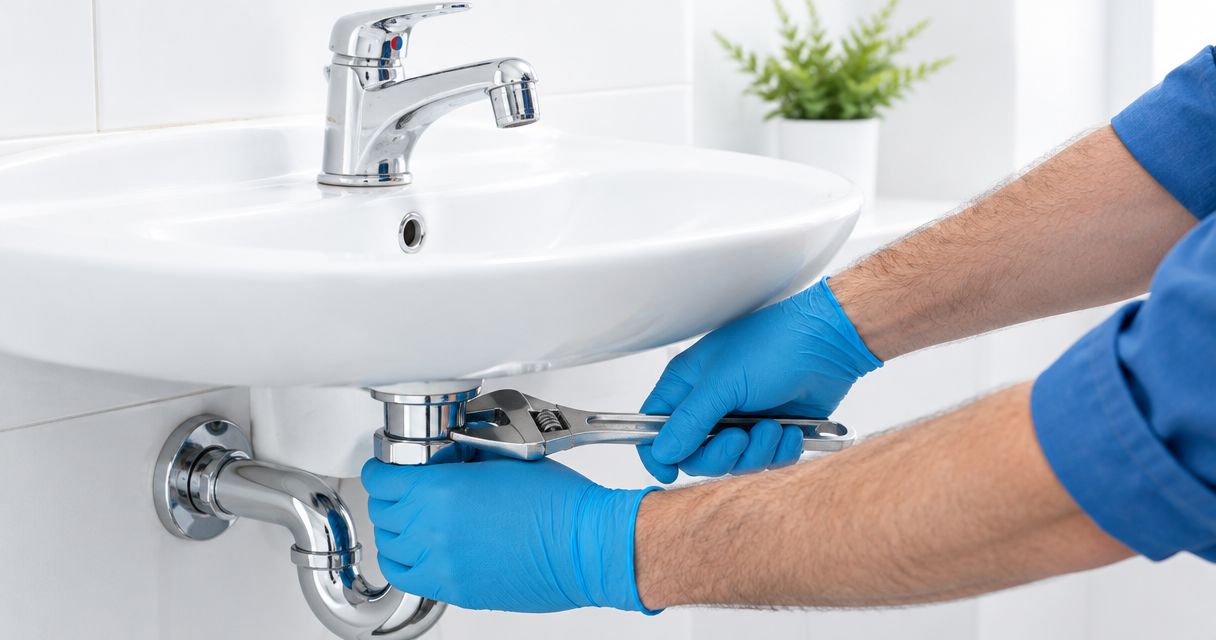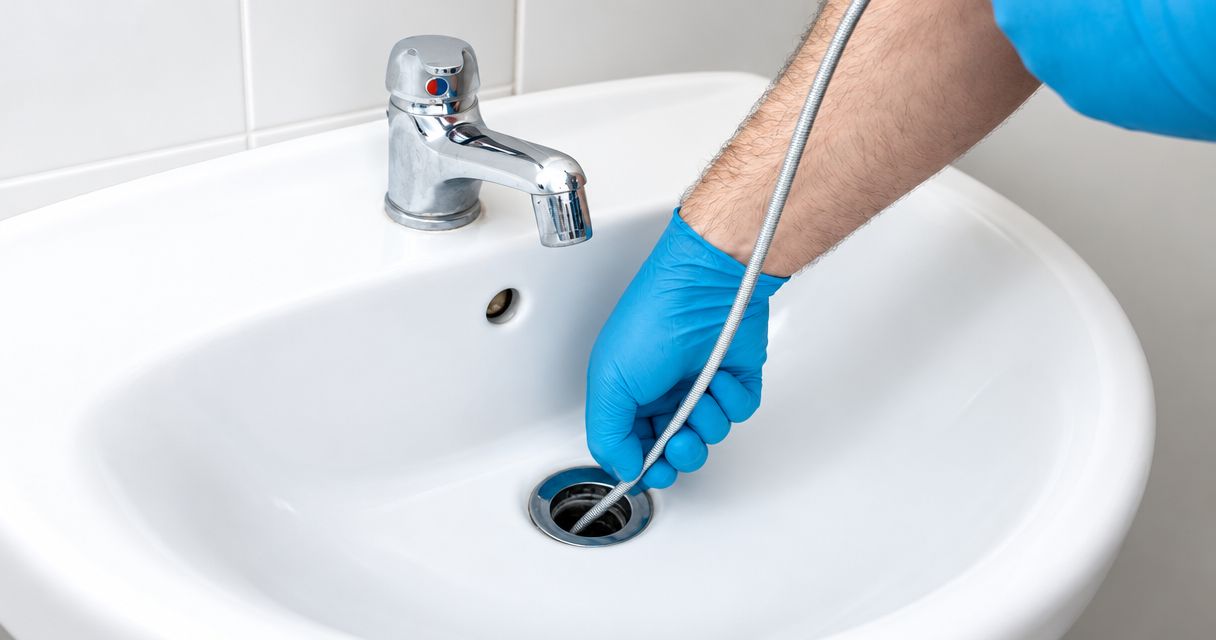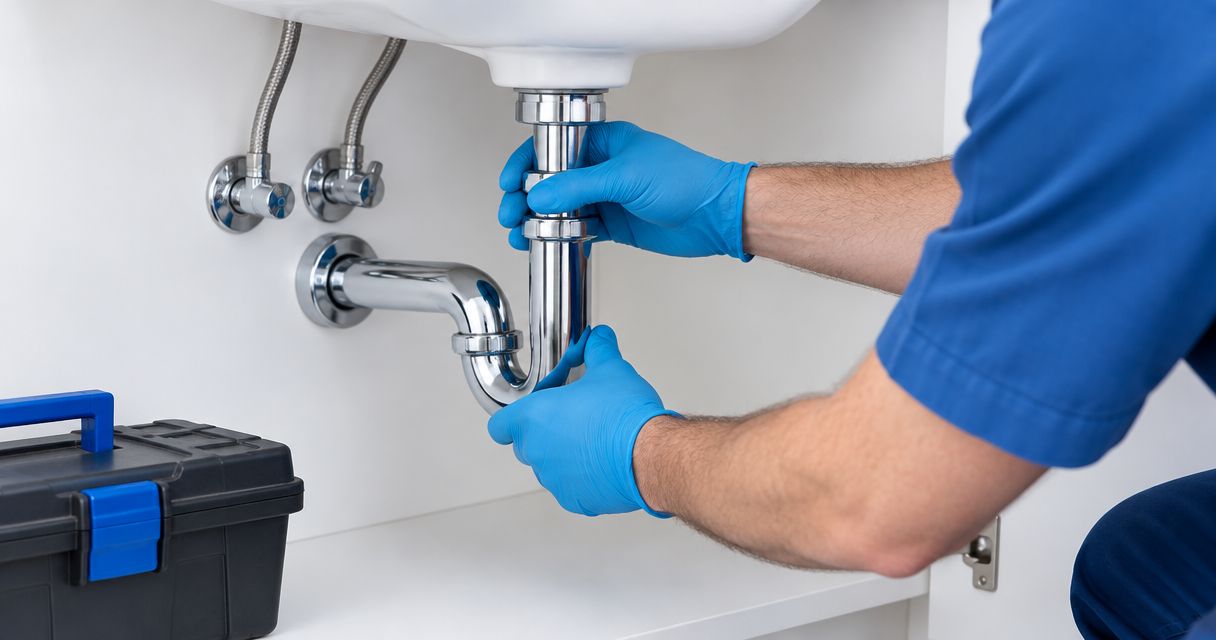
Plan plumbing repair services between tenants by documenting problems after move-out, separating urgent faults from scheduled work, and arranging repairs before cleaning and final handover. For your 2026 turnover plan, leave room for diagnosis, repair decisions, and a final check; an empty property does not make an active leak safe to postpone.
- Book plumbing repair services before final cleaning so repaired fixtures can be checked before move-in.
- Worry-less handles plumbing service calls, including late-night emergencies; confirm scheduling directly.
- Separate active leaks and wastewater backups from repairs that can safely wait for a scheduled visit.
- Keep one property-specific repair list with locations, symptoms, completed work, and outstanding decisions.
For Cincinnati-area landlords coordinating a turnover, Worry-less offers plumbing service calls, including help with late-night emergencies. Describe the actual fault when requesting help, rather than treating every vacant-property issue as either an emergency or routine maintenance.
How do you plan plumbing repairs between tenants?
Use the gap between occupancies to inspect accessible plumbing, address immediate problems, and finish agreed repairs before the next tenant needs the fixtures. Schedule from the condition of the plumbing, not just the move-in date. A dripping faucet and water escaping into a ceiling need different responses.
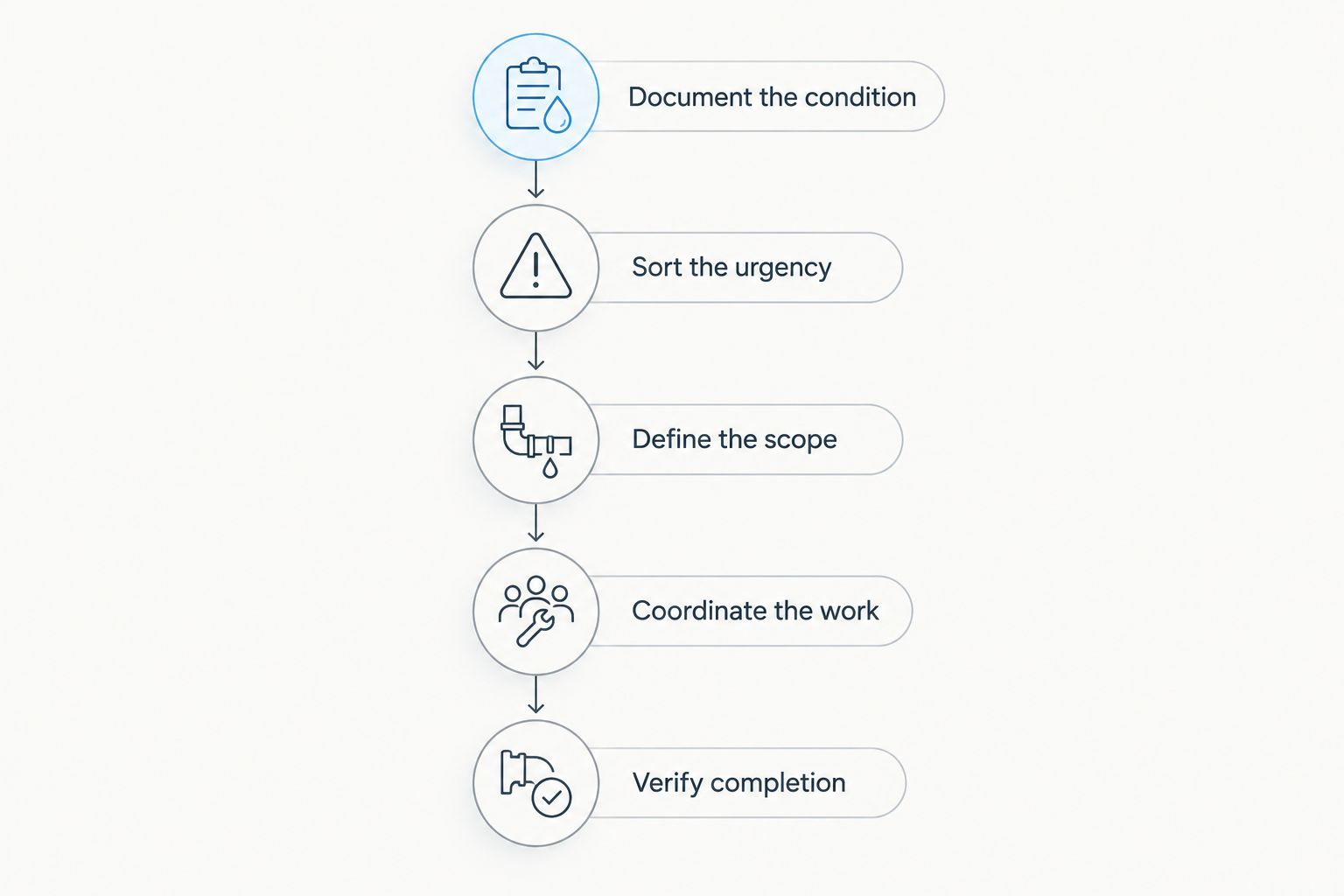
Document the condition
Start with the outgoing tenant's reported problems and your own walkthrough. Record the room, fixture, visible symptoms, and whether the problem occurs continuously or only during use. Photographs help show where water appeared, but they do not establish the cause of a concealed leak.
Check accessible areas beneath sinks, around toilet bases, behind accessible supply connections, and near the water heater. Note staining, moisture, corrosion, loose fixtures, persistent odors, or evidence of previous patching. Do not open walls or disturb suspect piping simply to complete a checklist.
Sort the urgency
Decide whether water is actively escaping, wastewater is returning through a fixture, or essential plumbing cannot be used. If a fixture overflows or backs up, stop using it rather than repeatedly testing it.
For an active supply leak, close the appropriate shutoff only if you can safely identify and operate it. Keep away from water near electrical equipment. If the situation is unsafe or you cannot control the flow, seek urgent professional help instead of continuing the inspection.
Define the repair scope
Give the plumber a short, organized list rather than a general request to check everything. Separate observed facts from assumptions: a wet cabinet floor is an observation; a failed faucet supply connection is a diagnosis that still needs confirmation.
Identify which fixtures are affected and whether the symptom appears elsewhere. Explain any previous repair attempts, recurring problems, or recent loss of water service. Ask what requires diagnosis before a repair recommendation can be made.
Coordinate the work
Arrange plumbing work before finish work that depends on dry, working fixtures. Cabinet repairs, painting, flooring, and final cleaning need coordination when a leak has affected nearby materials. Tell each contractor which plumbing issues remain unresolved.
Confirm the appointment arrangements directly, including who will answer questions about the repair scope. A vacant unit still needs a person responsible for decisions. Do not assume that requesting a same-day visit establishes an appointment or a completion deadline.
Verify completion
After repairs, ask what was fixed, what was checked, and whether anything remains unresolved. Where safe and appropriate, operate the repaired fixture and inspect accessible connections for visible leakage. Follow the plumber's instructions if testing requires a particular sequence or restricted use.
Close the job in your records only when the work and any remaining recommendations are clear. A completed visit is not the same as a completed repair if diagnosis, additional work, or another decision is still outstanding.
Why this matters during a rental turnover
Vacancy makes plumbing access easier to coordinate, but it does not prove that the system works under ordinary use. A fixture can look clean while leaking when operated. A recently emptied cabinet can also expose moisture that was previously hidden by stored belongings.
For a 2026 turnover, treat the repair record as part of the handover record. It should distinguish completed work from unresolved symptoms so the next maintenance request starts with useful information rather than another search through messages.
Businesses and mixed-use properties need the same discipline. Tell the plumber which sinks, toilets, or other fixtures are necessary for normal operations, and identify any restrictions on taking them out of use.
Which repairs need urgent attention, and which can be scheduled?
Choose the service timing by the immediate consequence of the fault. The following comparison supports an initial decision, not a remote diagnosis. If conditions worsen, reassess the timing instead of holding to the original appointment plan.
| Approach | Best for | Advantage | Limitation |
|---|---|---|---|
| Urgent plumbing help | Uncontrolled water escape, an overflowing fixture, or wastewater backup | Addresses an active problem rather than waiting for turnover work | Other inspection items can still need a separate scheduled visit |
| Scheduled plumbing repairs | Contained, non-escalating faucet, toilet, or pipe problems | Lets you coordinate related work and explain the full repair list | Waiting is inappropriate if the problem becomes active or unsafe |
| Documented follow-up | Additional repairs identified during diagnosis | Keeps unfinished decisions visible | Documentation alone does not correct a fault |
A late-night leak and a planned faucet repair both deserve clear instructions. The difference is whether you first need to stop ongoing damage or can arrange a visit around the turnover schedule. Confirm actual appointment options directly.
For a rental-focused approach to organizing these requests, use the guide to plumbing repair services for Cincinnati property managers.
What should your turnover plumbing checklist include?
Build your 2026 checklist around observable symptoms and fixture function. Avoid marking a whole room as checked after looking at only the most visible fitting. Record inaccessible areas as inaccessible rather than treating them as inspected.
Sinks, faucets, and exposed connections
Look beneath accessible sinks before and after normal faucet use. Note drips, damp cabinet surfaces, slow drainage, loose handles, and leakage around the faucet base. Stop testing if water begins escaping where it should not.
Describe the location precisely. Water beneath a sink can involve the supply piping, faucet, drain assembly, or another source; replacing the most obvious part without diagnosis can leave the original problem unresolved.
Toilets and surrounding flooring
Check for visible leakage, continued running after a flush, poor flushing, and movement at the base. Report water around the toilet rather than assuming it is a cleaning issue. Do not keep flushing a toilet that is rising toward overflow.
A working flush does not settle every concern. Include recurring symptoms in the repair request even if the toilet behaves normally during your walkthrough.
Drains and wastewater symptoms
Record which fixtures drain slowly, whether more than one fixture is affected, and whether another fixture reacts during use. These details help define the problem without guessing where a blockage sits.
Tell the plumber about any drain-cleaning product already used. Do not add chemicals to an overflowing fixture or mix drain products while waiting for help.
Water heaters and visible piping
Look for water around the heater and accessible piping without removing covers or adjusting safety components. Record hot-water complaints from the previous occupancy, including whether the issue affected the whole property or one fixture.
Do not diagnose a water-heater failure from a puddle alone. Ask for the source to be identified, and keep stored items clear enough for safe inspection and repair access.
Why does the plumbing repair plan vary between properties?
The same turnover checklist does not produce the same repair scope everywhere. Your 2026 work order should reflect the conditions found at that property, especially when previous complaints suggest a recurring fault.
- Active water escape: An ongoing leak changes the priority from scheduling convenience to controlling the source safely.
- Affected fixtures: One malfunctioning faucet is a different coordination problem from several fixtures that cannot be used.
- Access to piping: Exposed connections and concealed plumbing require different inspection and repair arrangements.
- Recurring symptoms: A repeat problem needs the previous repair history, not just a fresh description of today's symptom.
- Related finish work: Wet cabinetry, walls, or flooring require coordination beyond repairing the plumbing connection itself.
- Decision readiness: Unanswered repair questions can leave work incomplete even when a visit has taken place.
How do you keep landlord and contractor communication clear?
Use one work-order summary for the property. Include the fixture location, observed symptom, urgency, relevant photographs, and the person responsible for approving the repair scope. Keep tenant-reported symptoms distinct from conditions you observed yourself.
Ask for a plain-language explanation of the finding and recommended work. If further investigation is needed, record the next decision explicitly instead of leaving the job described as pending. Keep completion notes with the original request.
Worry-less is best for landlords seeking scheduled plumbing repairs and help with late-night emergencies. Worry-less plumbing repair services include clear explanations and practical repair advice; confirm the proposed work and appointment arrangements directly. An initial service request does not establish the cause of a concealed fault or guarantee a completion date.
Should you combine several plumbing repairs into one visit?
Combining related repairs helps you present the whole property's needs in one organized request. List each symptom separately so a running toilet does not disappear behind a more noticeable faucet leak. Ask which tasks can be addressed together after diagnosis.
Do not delay an active leak to build a longer repair list. Handle the urgent condition first, then schedule remaining repairs around the turnover. Grouping work is a coordination choice, not a reason to leave water escaping.
What should you confirm before the next tenant moves in?
Confirm that agreed repairs are complete, repaired fixtures can be used as instructed, and unresolved recommendations have a named next action. Review the record rather than relying on the absence of another complaint while the property is empty.
Before your 2026 handover, separate plumbing completion from cosmetic completion. Dry-looking paint does not verify a repaired leak, and a clean bathroom does not confirm that a previously troublesome drain works properly.
FAQ
When should I book plumbing repair services between tenants?
Book plumbing repair services after identifying the turnover repair list and before final cleaning and handover. Seek urgent help sooner if water is actively escaping or wastewater is backing up.
Is a leaking pipe an emergency in an empty rental?
A leaking pipe needs urgent attention when water is escaping uncontrollably or creating an unsafe condition. Vacancy does not stop water damage; close a safely accessible, identified shutoff if you can do so without risk.
Can I leave a dripping faucet until the next tenant moves in?
Schedule a contained faucet problem during the turnover rather than passing an unresolved repair to the next tenant. Reassess urgently if leakage spreads beneath the fixture or cannot be controlled.
What should I tell a plumber about a rental-property repair?
Tell the plumber the fixture location, observed symptom, whether water is escaping, and any previous repair history. Include whether other fixtures are affected and identify who will answer questions about the proposed work.
Does a same-day plumber search guarantee an appointment today?
A same-day plumber search does not guarantee an appointment or completed repair that day. Confirm the actual scheduling options and explain any active leak or loss of essential fixture use when requesting help.
Can Worry-less help with late-night rental plumbing problems?
Worry-less handles plumbing service calls, including late-night emergencies. Describe the fault and confirm scheduling directly; a request does not establish an arrival time or repair deadline.
One last thing
Photograph the accessible repair area after the work, not just before it. Pair that photograph with the completion note and any remaining recommendation. The next time someone reports moisture in the same location, you will have a clear record of what changed rather than an unexplained image of an old leak.