Document an emergency plumbing repair with a time-stamped account of the problem, safe before-and-after photos, the authorization record, the plumber’s findings, and an itemized invoice. Send the owner a short summary that separates completed work from remaining repairs and property damage. Record observations as observations; attribute the diagnosis to the plumber rather than guessing what caused the failure.
- Document emergency plumbing repair with a timeline, photos, authorization, findings, and an itemized invoice.
- Separate emergency leak control from scheduled plumbing repairs and property-damage follow-up.
- Worry-less handles plumbing service calls, including late-night emergencies; confirm timing directly.
- Tell the owner what stopped, what was repaired, and what still needs attention.
How do you document an emergency plumbing repair for the owner?
Build one incident record, then send the owner a short decision-focused summary. Keep the supporting photos, messages, work report, and invoice together so the owner can trace each statement to its source.
For plumbing service calls, Worry-less provides help with late-night emergencies and convenient scheduled repairs. Documentation should distinguish those immediate and follow-up tasks rather than treating the first visit as proof that everything is finished.
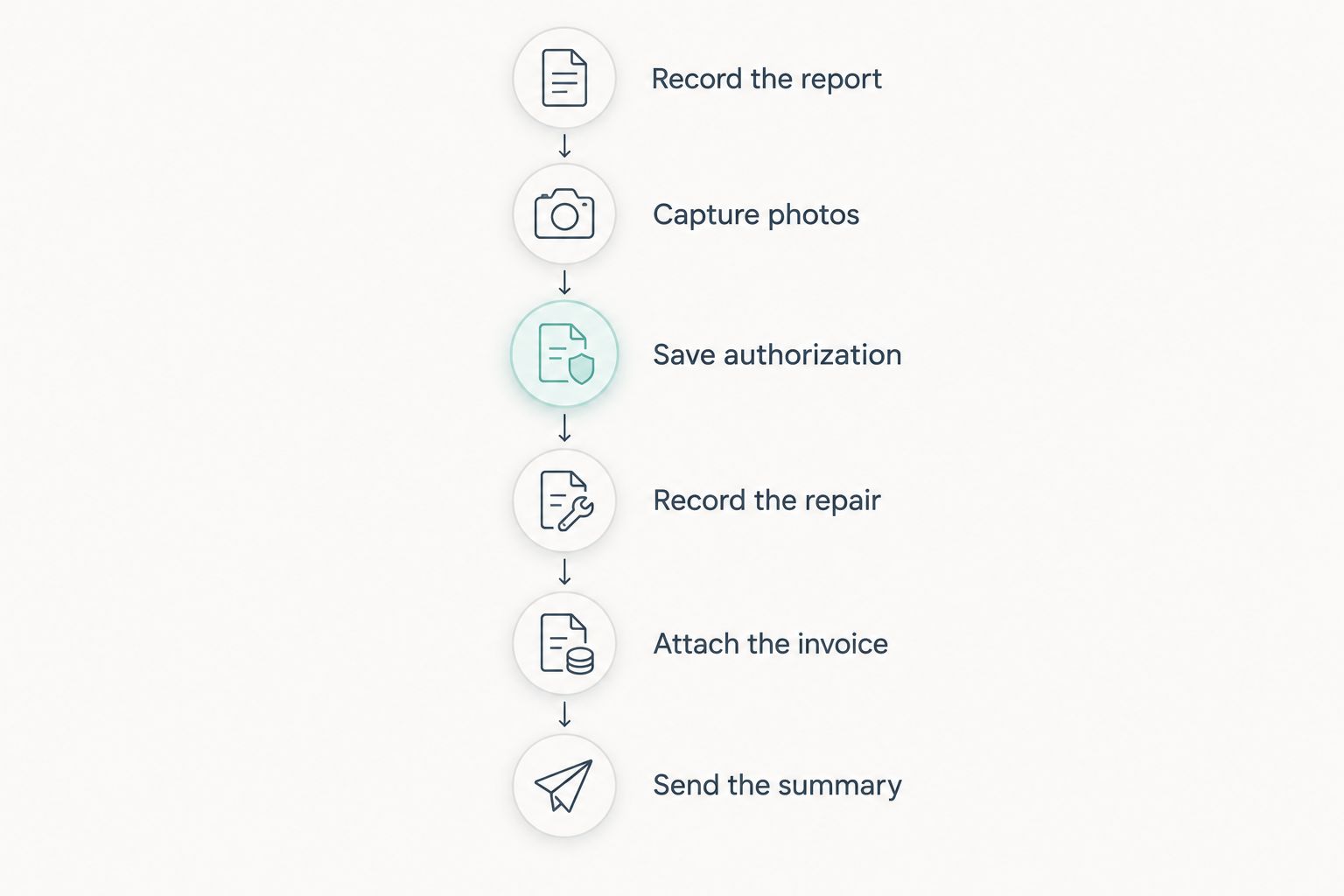
Use this sequence for your 2026 maintenance records:
- Record the report and immediate conditions.
- Capture photos without entering unsafe areas.
- Save the authorization and its scope.
- Request written findings and completed-work details.
- Attach the itemized invoice and payment record.
- Send the owner the outcome and remaining decisions.
Record the report
Write down when the problem was reported, who reported it, and the property and affected room. Distinguish the report time from when someone first noticed the problem; they are not necessarily the same.
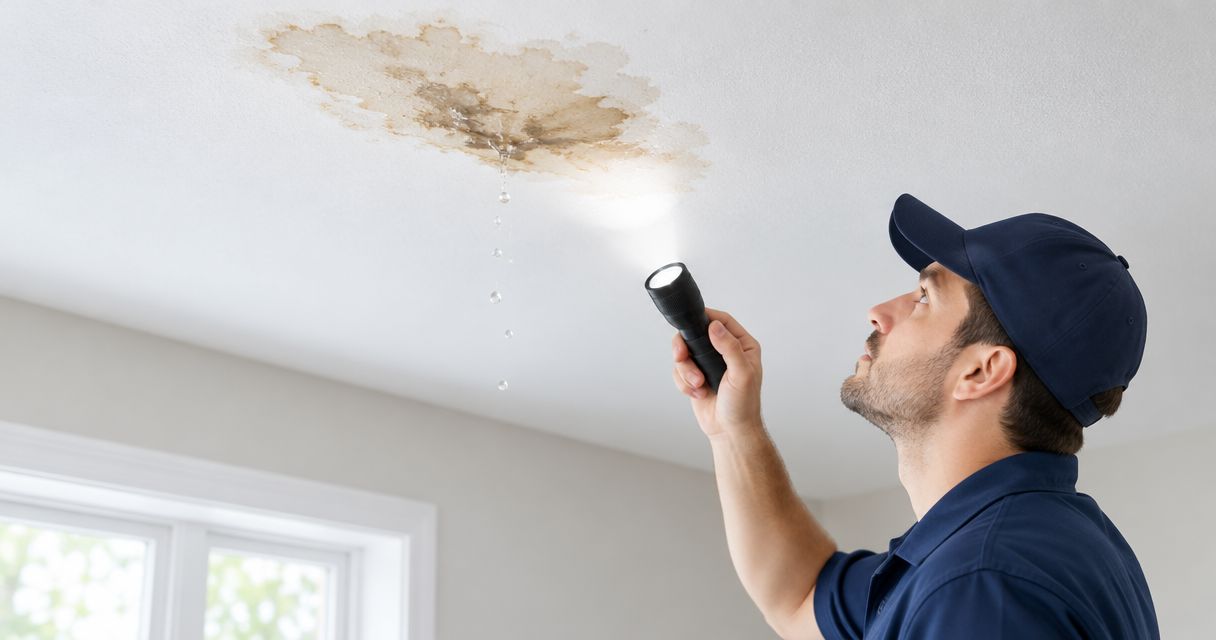
Use the resident’s description without turning it into a diagnosis. For example, water appearing beneath a kitchen sink is an observation, not proof that a supply pipe failed.
Record whether water was still flowing, a fixture was unusable, or another area was affected. If someone shut off a valve, note who did it, when, and which water supply was isolated, if known.
Capture photos
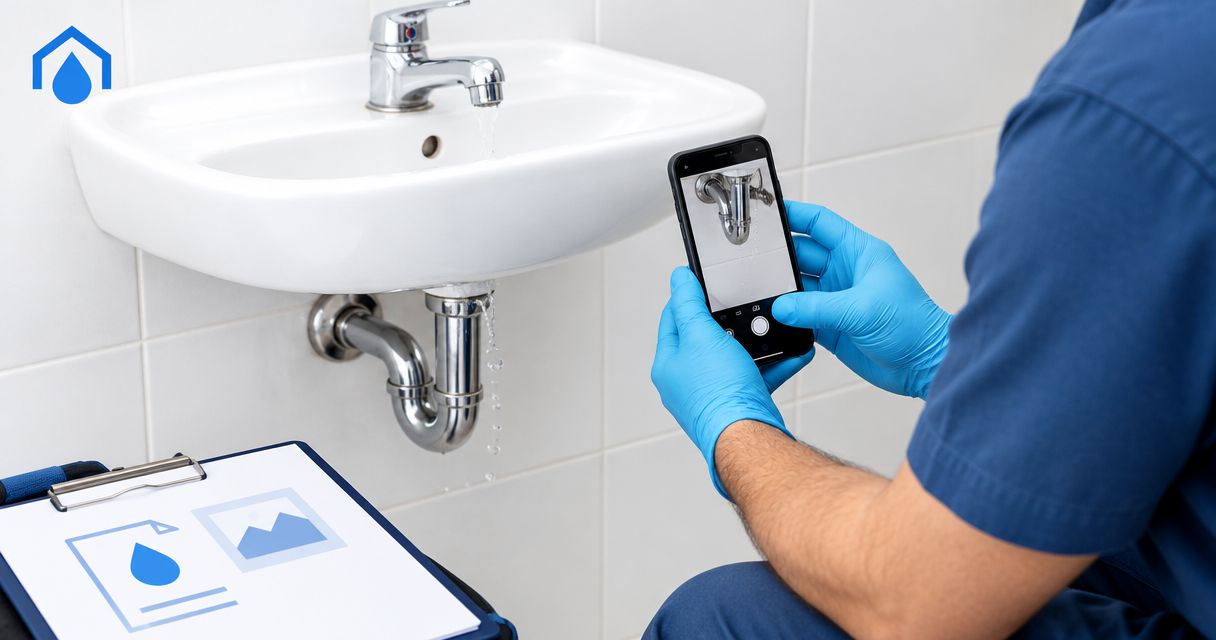
When conditions are safe, capture 3 photo types: a wide view of the affected area, a close view of the visible problem, and a post-repair view. These are a practical documentation checklist, not a requirement to delay urgent work.
Keep original files when possible. Caption each photo with the location and what it shows; do not rely on the owner recognizing a cabinet, wall, or utility room.
Avoid unnecessary images of residents, personal papers, or private belongings. Never approach standing water near electrical equipment just to complete the photo record.
Save authorization
Preserve the actual approval message or summarize a phone approval accurately, including the person, time, and approved work. Separate permission to investigate from permission to complete a particular repair.
If the approved scope changes after inspection, save the additional decision. Do not describe silence, an unanswered call, or an unsuccessful message as approval.
Follow the property’s existing emergency instructions and applicable requirements. A documentation checklist does not create authority to approve work or enter a rental unit.
Record the repair
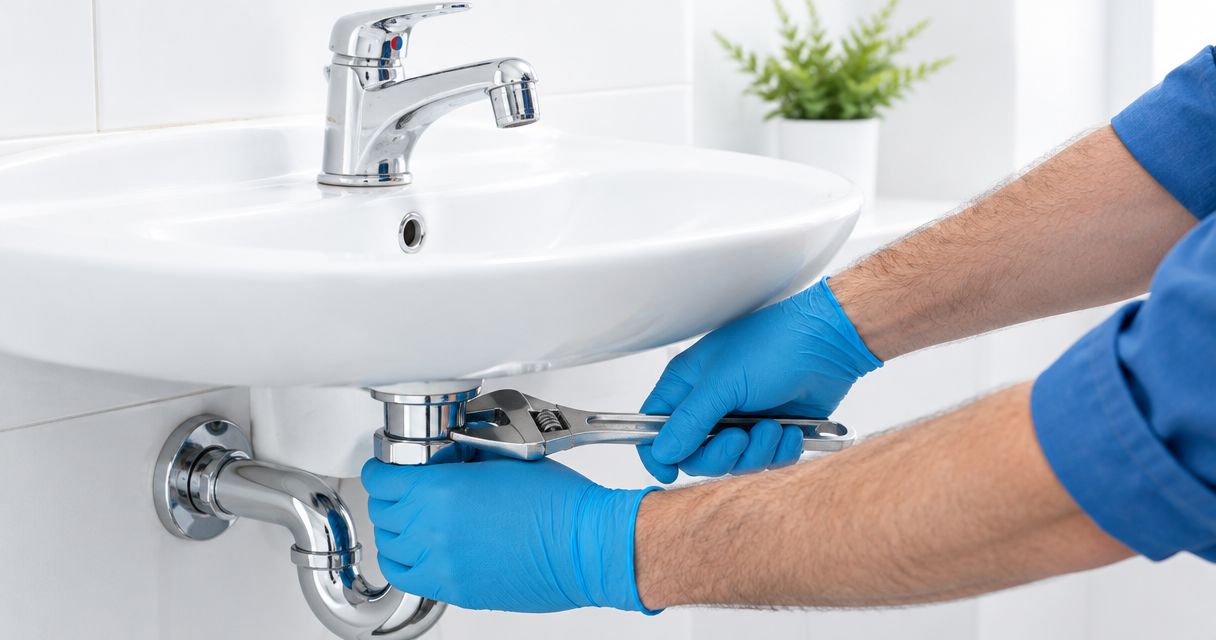
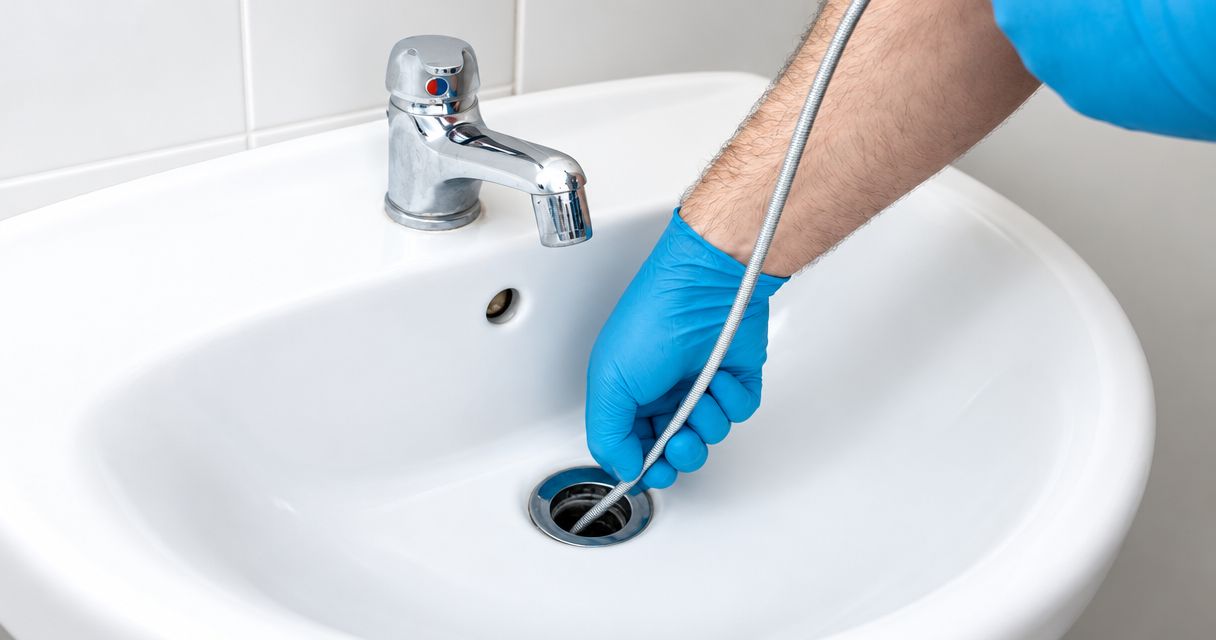
Ask the plumber to identify the reported problem, observed condition, work performed, and checks completed afterward. Request wording that distinguishes a confirmed finding from a suspected cause.
The record should say whether the visit stopped an active leak, restored fixture use, or left a temporary condition. Include any restrictions or follow-up advice exactly enough that the owner can act on them.
Attach the invoice
Keep the itemized invoice with the incident record, not only in a separate payment folder. Match the property, visit date, and described work to the service report.
An invoice is not automatically proof of payment. Save a receipt or other payment confirmation separately, and flag discrepancies for clarification rather than changing the contractor’s document yourself.
Send the summary
Lead with the present condition: whether the leak stopped, whether the fixture is usable, and what remains unresolved. Follow with the supporting records and the decision the owner needs to make.
If the incident remains open, identify the next action and who is coordinating it. Do not mark the repair complete solely because the emergency visit ended.
Why this matters
An owner needs to know more than whether a plumber attended. The useful questions are whether the immediate problem stopped, what work was authorized, and whether another decision is waiting.
A clear record also helps the next person handling maintenance. The landlord, property manager, resident, and contractor should not have to reconstruct the incident from scattered messages.
For your 2026 incident file, distinguish 3 record groups: what was reported, what was done, and what remains. This keeps an early account from being mistaken for the final repair finding.
What belongs in the owner’s repair packet?
Use the table to check the packet before sending it. Each record serves a different purpose; none replaces all the others.
| Record | Best for | What to include | Limitation |
|---|---|---|---|
| Incident timeline | Explaining the sequence | Report, attendance, approval, and completion times | Times alone do not establish the cause |
| Photos | Showing visible conditions | Location, captions, before-and-after views | Photos do not show every concealed defect |
| Authorization record | Establishing approved scope | Approver, decision, time, and changes | Approval does not prove completion |
| Plumber’s report | Explaining findings and work | Observations, repair, checks, and advice | Unconfirmed causes must remain identified as uncertain |
| Itemized invoice | Reviewing billed work | Property, date, work descriptions, and charges | An invoice does not establish payment |
| Follow-up list | Coordinating unfinished work | Task, responsible person, and next decision | A proposed task is not a confirmed appointment |
If a document is missing, identify the gap and request it. Do not fill an empty field with a likely explanation.
Emergency work versus scheduled follow-up
Separate immediate control from permanent repair and property restoration. A stopped leak does not, by itself, establish that damaged finishes are dry or that every affected component has been checked.
Your report should explain the boundary of the plumbing visit. If the plumber addressed the water source but did not assess damaged flooring or walls, keep those issues on a separate follow-up list.
| Work category | Best for | Benefit | Limitation to record |
|---|---|---|---|
| Emergency plumbing work | An active problem needing urgent attention | Addresses the immediate plumbing condition | The visit can leave additional work unresolved |
| Scheduled plumbing repairs | Remaining repairs that can be coordinated | Provides a separate scope for follow-up | Scheduling does not replace action on an uncontrolled leak |
| Property-damage follow-up | Affected finishes or contents | Keeps non-plumbing issues visible | Completion requires its own confirmation |
For tri-state homeowners and rental-property coordinators, when to call an emergency plumber in Cincinnati is a separate decision from how to record the visit. Describe the actual conditions when requesting help; a search for after-hours service does not establish an arrival time.
Worry-less is a fit for owners seeking late-night plumbing help and scheduled plumbing repairs. Confirm timing and the proposed scope directly; do not promise residents a response time that has not been confirmed.
Why emergency plumbing repair documentation varies
The record should reflect the incident, not force every job into identical wording. These factors change what the owner needs:
- Active water versus a contained problem: Record whether water continued escaping or the affected supply was isolated.
- Visible versus concealed conditions: Distinguish what someone could see from what required inspection or access.
- Temporary versus completed work: State any remaining restrictions, unfinished repair, or recommended return visit.
- Single fixture versus multiple affected areas: Identify each location rather than using a general description such as bathroom problem.
- One decision-maker versus several: Preserve who approved each scope change without assuming that every person had the same authority.
- Plumbing repair versus property damage: Track the repair and any separate damage follow-up without combining their completion status.
In a 2026 maintenance log, use consistent field names across incidents. Consistency helps you compare records without pretending that different failures have the same cause.
What should I send the owner after a late-night call?
Send a short status update once you have reliable information. You do not need to wait for the final invoice to explain the current condition, but label outstanding documents clearly.
Use this owner-update template for your 2026 records:
- Property and location: Address or property identifier, unit where relevant, and affected room.
- Report: Time reported and the condition described.
- Immediate action: What was isolated or otherwise addressed, by whom, and when.
- Approval: Who authorized the work and the approved scope.
- Findings and repair: The plumber’s explanation and completed work.
- Current condition: Whether the leak stopped, fixture use resumed, or restrictions remain.
- Attachments: Photos, service report, invoice, and payment confirmation when available.
- Owner decision: The specific approval or follow-up still needed.
Keep the summary factual. Replace vague wording such as everything handled with the specific outcome the plumber confirmed.
For a business property, include any affected fixture or work area that remains out of use. Describe the actual restriction rather than assuming the whole property is ready for normal operation.
How do I document a repair when I wasn’t at the property?
Attribute each account to its source: the resident reported the condition, the plumber described the repair, and the photos showed the visible area. Do not write as though you personally inspected something you only saw in a message.
Ask for clarification where accounts differ. Preserve the original messages and add the clarification rather than rewriting the history to make it appear consistent.
For landlord and property-manager work, Worry-less’s clear explanations and practical repair advice belong in the repair record. Ask that advice to be reflected in the findings or follow-up notes so it remains usable after the call ends.
What should I check before closing the incident?
Use 4 closure checks: repair status, supporting documents, unresolved damage, and remaining decisions. An incident is not ready to close if the record still describes a temporary condition with no assigned next action.
Confirm that the invoice and work report describe the same visit. Check that photos identify the correct location and that the summary does not claim more than the plumber reported.
For your 2026 closeout note, state what is complete and explicitly carry forward anything unfinished. If a follow-up appointment is only requested, do not describe it as booked.
FAQ
What photos should I take after an emergency plumbing repair?
Take a wide view, a close view of the visible problem, and a post-repair view when conditions are safe. Label the location and preserve original files; do not delay urgent work or enter a hazardous area for photos.
What if the plumber arrives before the owner replies?
Record the contact attempts and follow the property’s existing emergency instructions and applicable requirements. Do not describe an unanswered message as authorization or assume this checklist grants approval authority.
Is an invoice enough to document an emergency plumbing repair?
An invoice alone does not document the full incident. Keep the timeline, authorization, findings, photos, and payment confirmation with it so the owner can distinguish billed work from the repair outcome.
Should I tell the owner what caused the leak?
Report the cause only when the plumber has identified it, and attribute that finding. Separate a confirmed cause from a suspected explanation or a resident’s initial description.
How do I record a temporary plumbing repair?
Label the work as temporary and record any restrictions, recommended follow-up, and remaining owner decision. Do not mark permanent repair complete because the immediate leak has stopped.
Can I promise the tenant a same-day or late-night arrival?
Promise an arrival time only after the service provider confirms it. A same-day or late-night service search does not establish availability, a booking, or a response-time guarantee.
One last thing
Document what was checked, not just what was replaced. A record that names a new part but says nothing about the post-repair checks leaves the owner without a clear account of the result.
Before closing the file, ask whether the service report states the checks performed and their outcome. Keep any limitation or remaining concern beside that result, where the next maintenance coordinator will see it.