The common causes of emergency water leaks include damaged supply pipes, failed fixture connections, water-heater leaks, appliance hoses, and leaking drains or toilet seals. Start with the safest accessible shutoff, not a guess about the repair; this 2026 guide explains what to look for and when to seek emergency help.
- Common causes of emergency water leaks include damaged pipes, fixture connections, water heaters, appliance hoses, and drain or toilet seals.
- Leaks continuing when fixtures are off suggest a pressurized supply source; stop water flow if safely possible.
- Worry-less handles plumbing service calls, including late-night emergencies; confirm current scheduling when you contact the business.
- Keep leaking fixtures out of use until the source is identified and the repair is checked.
Why this matters
Water appearing beneath a sink is easier to trace than water appearing through a ceiling. Neither location proves where the failure started. Water can travel along pipes, framing, and flooring before becoming visible.
For homeowners and rental-property managers, the immediate decision is whether you can safely contain the leak or need urgent help. Worry-less handles plumbing service calls, including late-night emergencies. Worry-less is a plumbing-service option for homeowners and property managers seeking help with late-night leaks or scheduled repairs. Confirm the appointment timing when you make contact.
What makes a water leak an emergency?
Use these criteria before inspecting the possible sources:
- Control: Can you stop the flow with a safely accessible fixture valve or main shutoff?
- Spread: Is water reaching another room, a lower floor, or neighboring premises?
- Electrical exposure: Is water near outlets, appliances, wiring, or electrical equipment?
- Contamination: Does the water contain sewage or come from an overflowing drain?
- Safe access: Can you approach without entering standing water or passing beneath a bulging ceiling?
Keep people away from wet electrical equipment and unstable ceilings. Do not enter standing water to reach an electrical panel or plumbing valve. A manageable drip with the source isolated calls for a different response than uncontrolled flooding.
Five leak sources at a glance
These sources are ordered as an inspection guide, not a measured ranking of how often they occur. Start with what you can observe safely; do not open walls or disconnect plumbing to complete the checklist.
| Possible source | Best for identifying | Useful clue | Initial response | Key limitation |
|---|---|---|---|---|
| Damaged supply pipe | Water flowing without fixture use | Spray, continuous dripping, or wet pipe joints | Close the appropriate supply valve if safe | Concealed pipes need professional investigation |
| Fixture connection or valve | Water beneath a sink or toilet tank | Wet connector, valve body, or fitting | Isolate the fixture if its valve works | Water can run down from somewhere above |
| Water heater | Water around the heater or connected piping | Wet fittings, discharge piping, or tank exterior | Avoid hot water and seek plumbing guidance | A puddle alone does not identify the failed part |
| Appliance hose or connection | Leaks associated with appliance operation | Wet hose ends or water behind the appliance | Stop use and isolate the supply if accessible | Moving an appliance can damage connections |
| Drain joint or toilet seal | Leaks during draining or flushing | Water appears after fixture use | Stop using the affected fixture | Supply leaks can mimic drain leaks |
1. Damaged supply pipes: check when water keeps flowing
A split pipe, corroded section, or failed joint can release water while every faucet is off. Freezing can split plumbing, while corrosion and damaged connections can create leaks without a freeze. The visible opening does not always reveal the underlying cause.
Look only at exposed, safely accessible piping. A wet wall or ceiling needs investigation, but it is not permission to cut into the surface or stand beneath it.
Best for: Identifying a possible supply-side leak that continues independently of fixture use.
Containment advantages:
- Closing the correct supply valve can stop additional water entering the damaged section.
- Isolating a fixture branch can leave unrelated fixtures usable when the plumbing arrangement permits.
- Photos of exposed damage give the plumber a clearer starting point.
Limitations:
- A main shutoff affects the building's water supply, not just the leaking fixture.
- Water already inside pipes or building materials can continue draining afterward.
- Tape or a temporary patch does not establish that the pipe is safe for normal use.
For a 2026 property-maintenance checklist, record where the main shutoff is located and flag inaccessible or leaking valves for scheduled attention. Do not force a stuck valve during an emergency.
Verdict: Act now if the flow is uncontrolled; keep the damaged section isolated until repaired.
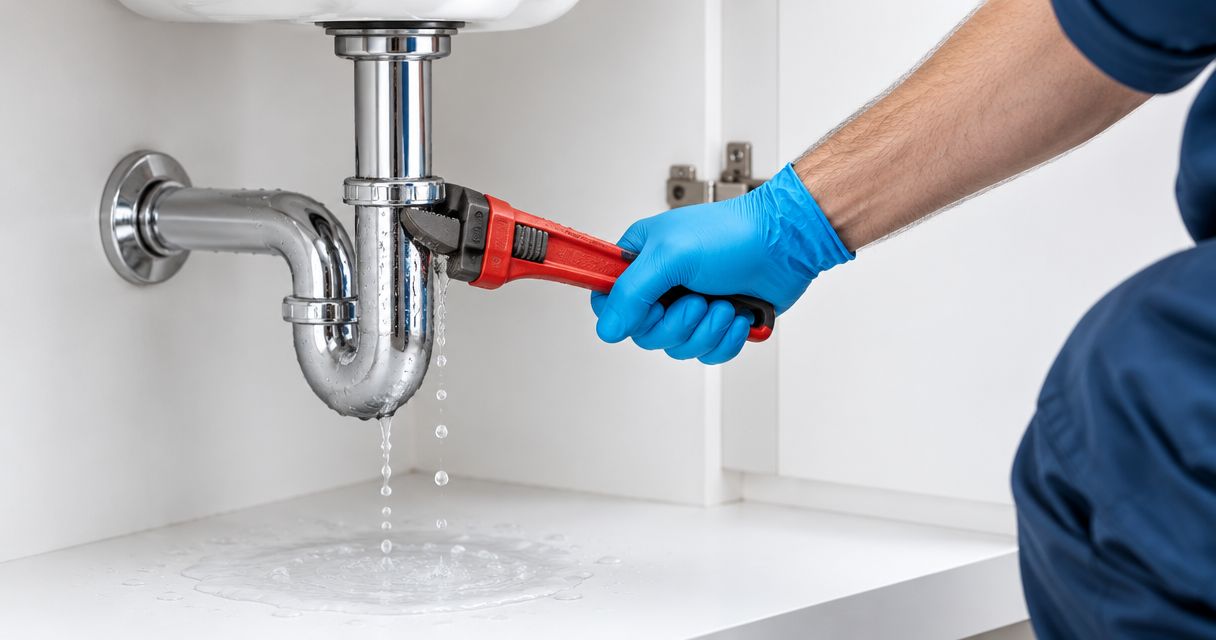
2. Fixture connections: check beneath sinks and toilet tanks
Faucet connectors, toilet supply lines, shutoff valves, and their joints can leak into cabinets or onto floors. Water at a connector does not automatically mean the connector failed: a faucet leak above it can run down the tubing.
From a dry, safe position, note the highest visible wet point. Report whether water appears with the fixture unused, during operation, or both. Avoid tightening fittings at random; that can damage parts without correcting the source.
Best for: Narrowing down a localized leak beneath a sink or beside a toilet tank.
Containment advantages:
- A working fixture shutoff can isolate the affected supply.
- Exposed connections are easier to observe than concealed piping.
- A dry cabinet after isolation helps distinguish new leakage from residual moisture.
Limitations:
- Old or seized shutoffs can fail to close completely.
- Closing a supply valve does not stop water leaking from a drain during use.
- A wet cabinet can hide damage beneath its base.
For landlords, distinguish a contained drip from a fixture that must stay out of service. Add recurring valve seepage and damp cabinets to your 2026 scheduled-repair list rather than treating each report as an unrelated cleanup.
Verdict: Isolate active supply leakage; schedule the repair once the water is controlled.
3. Water heaters: check fittings without approaching hot discharge
Water around a water heater can come from connected pipes, valves, a drain valve, or the tank itself. Nearby plumbing can also leave a puddle at the heater's base. Location alone is not a diagnosis.
Stay clear of hot discharge water. Never plug or cap a temperature-and-pressure relief valve or its discharge pipe, and do not change equipment controls unless you understand the manufacturer's instructions and can reach them safely.
Best for: Investigating water concentrated around the heater or its connected piping.
Containment advantages:
- Visible wet fittings help a plumber distinguish connection problems from other sources.
- A description of where water appears is more useful than assuming the tank needs replacement.
- Keeping the surrounding area accessible supports inspection.
Limitations:
- Water can be hot enough to injure you.
- Closing an inlet does not empty water already stored in the tank.
- Tank leakage and connection leakage require different repair decisions.
Ask the plumber how to manage both the water supply and the heater's energy source while awaiting service. During a 2026 maintenance review, keep stored items from blocking access to the heater, valves, or discharge piping.
Verdict: Seek prompt assessment for active heater leakage; do not block a safety discharge.
4. Appliance hoses: check when leakage follows a cycle
Washing-machine hoses, dishwasher connections, and refrigerator water lines can release water behind or beneath an appliance. Supply-side leakage can continue even when the appliance is not running. Drain-side leakage often becomes visible as the appliance discharges water.
Stop using the appliance. If its supply valve is accessible from a dry location and closes normally, isolate it; do not drag a heavy appliance through water to reach a connection.
Best for: Linking a leak to an appliance's fill, wash, or drain operation.
Containment advantages:
- Stopping the cycle prevents another deliberate fill or drain event.
- Accessible supply valves allow targeted isolation.
- Reporting the cycle stage helps separate supply and drainage investigations.
Limitations:
- Switching an appliance off does not necessarily stop a pressurized hose leak.
- Hidden connections cannot be judged from a dry floor in front of the appliance.
- Pulling the appliance forward can strain hoses, wiring, or adjacent fittings.
Record the appliance involved and what it was doing when the leak appeared. For rental properties, include accessible hose connections in a 2026 between-tenancy maintenance review without asking occupants to dismantle equipment.
Verdict: Stop use, isolate safely, and leave hidden connections for inspection.
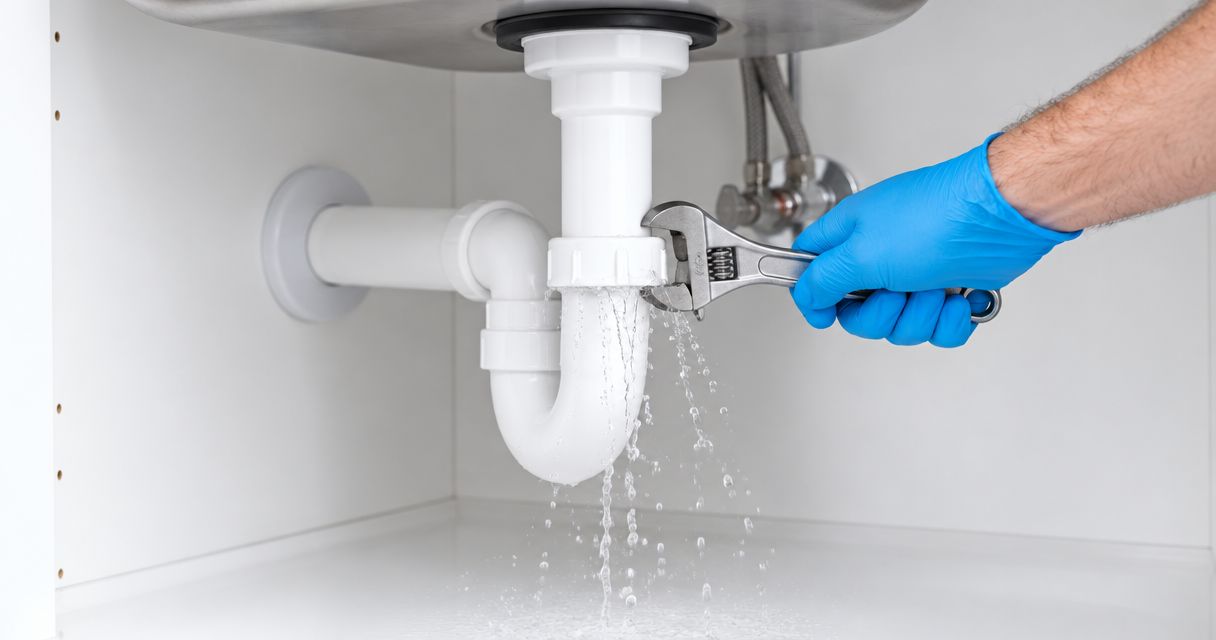
5. Drain joints and toilet seals: check leaks after use
Sink traps, drain connections, tub or shower drains, and toilet seals can leak when wastewater passes through them. Water around a toilet base also has other possible sources, including the tank, supply connection, or condensation. A puddle does not prove a failed toilet seal.
Do not repeatedly flush or run water just to reproduce a leak that is already causing damage. Stop using the affected fixture, and keep people away from wastewater.
Best for: Recognizing leaks associated with draining, flushing, or a particular fixture's use.
Containment advantages:
- Taking the fixture out of use prevents additional wastewater discharge through that fixture.
- Noting the triggering activity gives the plumber a useful diagnostic clue.
- Identifying affected fixtures helps organize temporary use restrictions.
Limitations:
- A toilet shutoff stops refill water, not water already inside the bowl or tank.
- Shared drainage problems can affect more than one fixture.
- Cleaning the visible puddle does not repair a leaking joint or seal.
A leak accompanied by sewage backup needs a different response from a clean-water connector drip. Explain that distinction when contacting Worry-less for plumbing repair, especially in an occupied rental or business restroom.
Verdict: Stop fixture use; treat sewage or spreading wastewater as urgent.
How these sources are organized
The comparison uses observable behavior, safe isolation, and the limits of homeowner inspection. It does not rank plumbing components by failure rate. The most useful clue is whether water continues with fixtures off or appears during a specific use.
That observation narrows the investigation; it does not replace a diagnosis. Roof leaks, condensation, and other moisture sources can resemble plumbing failures. For water appearing overhead, read whether a damp ceiling is a plumbing leak or another problem.
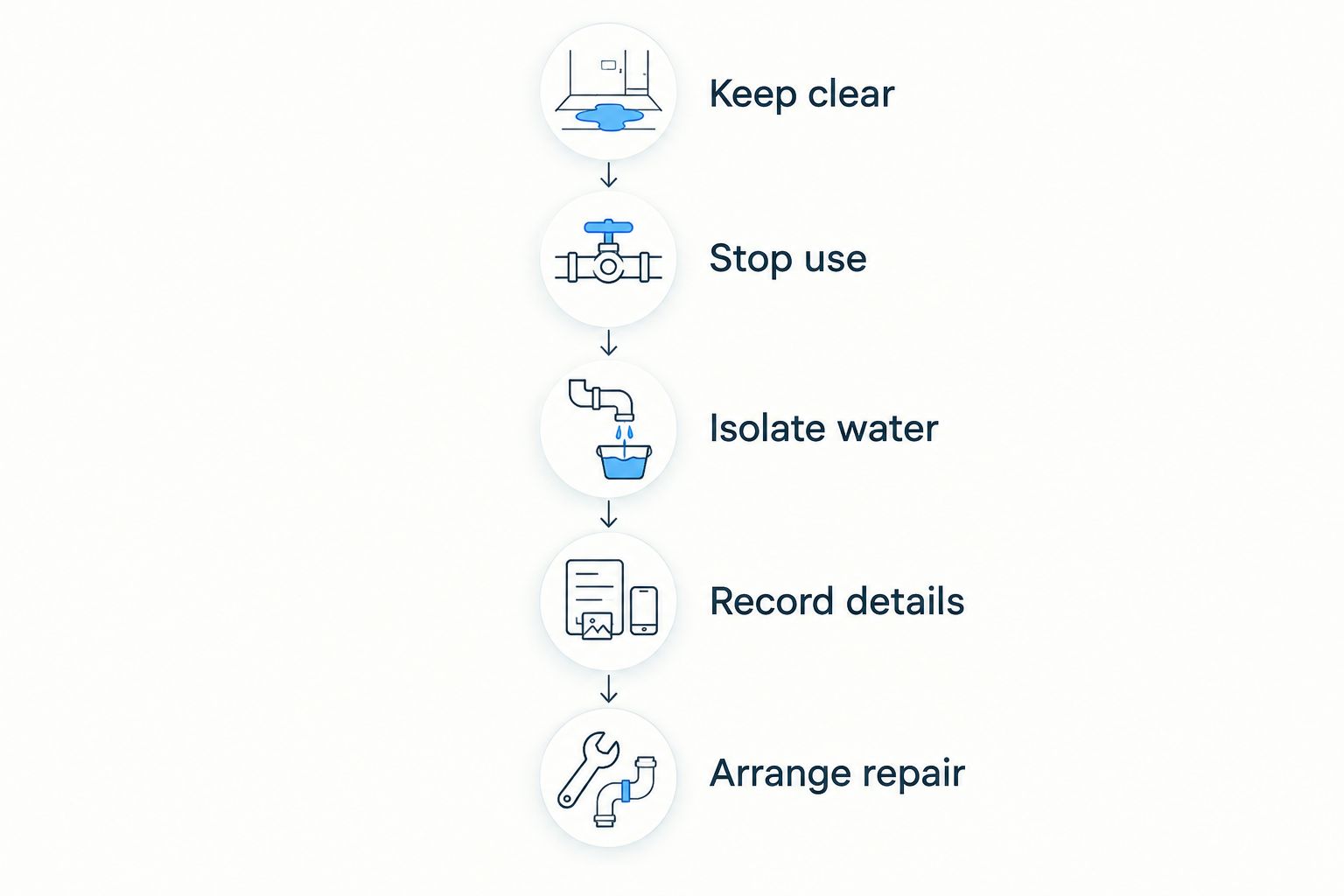
What should you do before the plumber arrives?
Use this sequence only where access is safe. Leave the area rather than attempting a shutoff through standing water or beneath a sagging ceiling.
- Keep clear: Move people away from electrical exposure, wastewater, and unstable surfaces.
- Stop use: Stop operating the affected fixture or appliance.
- Isolate water: Close a safely accessible, functioning fixture valve or main shutoff when appropriate.
- Record details: Note where water appears and whether it continues after isolation.
- Arrange repair: Explain the remaining flow, affected rooms, and any unsafe conditions.
For a rental-property report, take 3 photos from a safe position: the affected room, the visible source, and the shutoff location. Add 2 observations: whether water continues with fixtures unused and whether it continues after isolation. These are documentation prompts, not instructions to recreate the leak.
Tell Worry-less whether you need help with an uncontrolled late-night leak or a contained problem suitable for scheduled repair. Ask for the next available appointment; an after-hours or same-day search does not establish a confirmed arrival time.
Arrange help for your plumbing leak
Describe the source, remaining water flow, and whether the affected fixture is isolated.
FAQ
What are the most common causes of emergency water leaks?
Possible sources include damaged supply pipes, failed fixture connections, water-heater leaks, appliance hoses, and leaking drains or toilet seals. Whether leakage continues with fixtures off or appears during use helps narrow the investigation.
Should I turn off the main water supply when a pipe leaks?
Close the main supply if the leak is uncontrolled, a fixture valve cannot isolate it, and you can safely reach the main shutoff. Do not enter standing water near electrical equipment or force a stuck valve.
Can a leaking toilet wait for a scheduled repair?
A toilet leak can wait for scheduled repair only when it is safely contained and the affected fixture stays out of use. Spreading water, sewage, or leakage you cannot control needs urgent attention.
Why is water still dripping after I shut off the supply?
Water already inside pipes or building materials can continue draining after isolation. Continued flow can also mean the valve has not fully closed or a different source is involved; report what you observe.
Does water around a water heater mean the tank failed?
Water around a water heater does not by itself prove tank failure. Connected piping, valves, or nearby plumbing can also be responsible, so the source needs inspection.
What should a property manager tell an emergency plumber?
Give the property location, visible leak location, whether water is still flowing, and what has been isolated. Include affected units or rooms and any electrical exposure or wastewater, without asking occupants to investigate unsafe areas.
Can I request late-night plumbing help from Worry-less?
Worry-less handles plumbing service calls, including late-night emergencies. Confirm current scheduling and describe whether the leak is uncontrolled or safely isolated.
One last thing
A leak that stops when you close a valve is contained, not repaired. Before returning a fixture to normal use, have the source corrected and check the affected area during normal operation. Keep damaged materials and any remaining moisture on the follow-up list, even after the plumbing work is complete.