Strongest warning sign: recurring backups across several fixtures. Best reason to investigate pipe damage: roots returning after cleaning. The signs you need trenchless sewer line repair point to a sewer inspection—not proof that trenchless work is the right repair. This 2026 guide ranks 4 warning signs by how directly they support investigating the shared sewer line.
- The signs you need trenchless sewer line repair justify inspection; symptoms alone cannot establish trenchless suitability.
- Recurring backups across several fixtures deserve more attention than a single slow sink.
- Roots, visible defects, and ground changes require different checks before choosing a repair.
- Worry-less provides plumbing service calls, including late-night emergencies; trenchless sewer capabilities require separate confirmation.
Why this matters
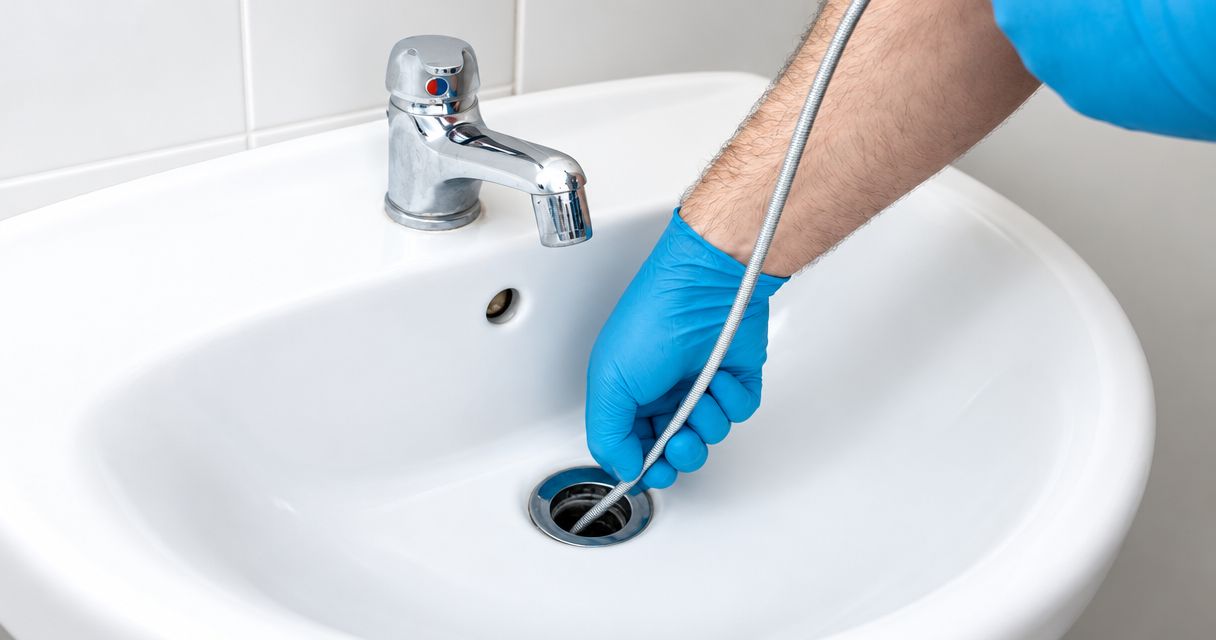
A clogged drain and a damaged sewer pipe can produce similar symptoms. Clearing a blockage addresses the obstruction; repairing a pipe addresses a physical defect. Confusing those jobs leads to the wrong next step.
For homeowners and rental-property managers, the first decision is whether wastewater is actively backing up or the problem can be assessed through a scheduled visit. Worry-less helps with late-night plumbing emergencies and scheduled repairs, with clear explanations and practical repair advice. Ask separately about sewer inspection and trenchless repair capabilities rather than assuming every plumbing service offers them.
Choose the response from the immediate conditions, then choose the repair from the pipe evidence. A 2026 maintenance plan should distinguish emergency containment, diagnosis, and permanent repair instead of treating them as one authorization.
What makes a warning sign useful?
The strongest warning signs help identify where the problem is and what evidence to collect. Use these criteria before comparing repair proposals:
- Reach: Several affected fixtures suggest a shared drainage problem more strongly than an isolated fixture does.
- Recurrence: A blockage that returns after cleaning needs further investigation, not an automatic repeat of the same work.
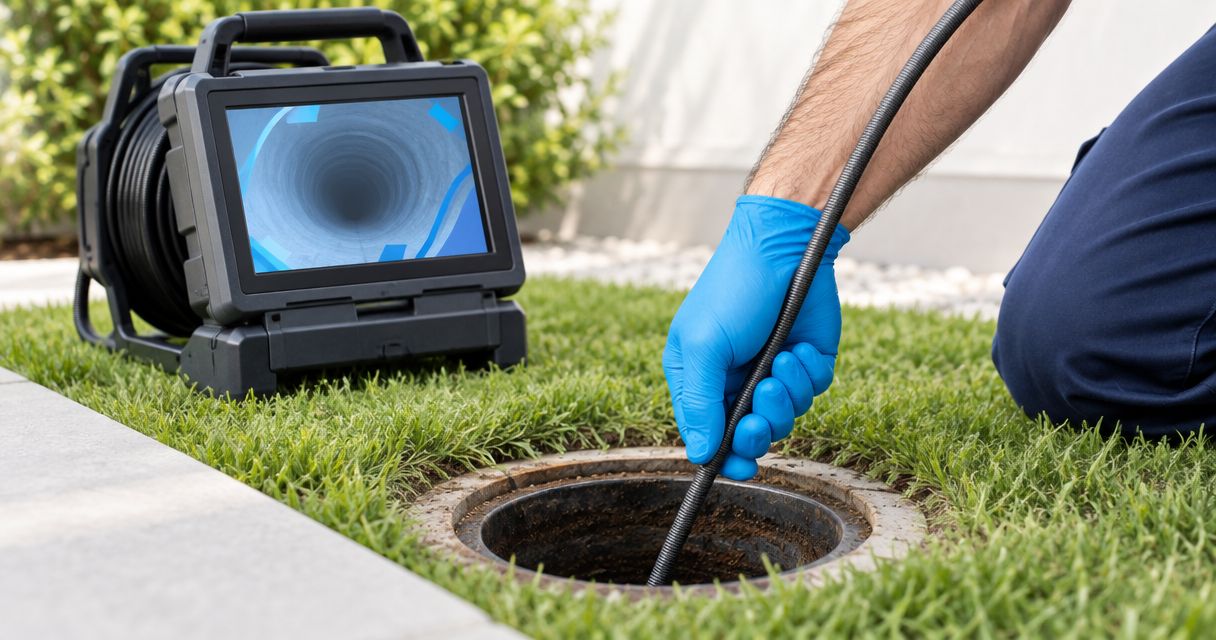
- Direct evidence: Camera footage can show roots, breaks, displaced joints, and other visible conditions.
- Location: The affected section must be located before deciding what access or excavation is necessary.
- Repair suitability: Pipe condition, alignment, access, and the proposed method determine whether trenchless work fits.
These criteria rank diagnostic value, not repair urgency. An active sewage backup takes priority even before anyone knows whether the pipe needs replacement.
The warning signs at a glance
| Rank and warning sign | Best for identifying | Useful evidence | Key limitation |
|---|---|---|---|
| 1. Recurring backups across fixtures | A possible shared sewer restriction | Which fixtures back up, when, and after what use | A blockage does not prove pipe damage |
| 2. Roots returning after cleaning | A possible entry point in the pipe | Cleaning history and camera footage | Roots do not establish the best repair method |
| 3. Visible breaks or displaced joints | A structural repair question | Recorded inspection with defect location | A severe defect can rule out some trenchless methods |
| 4. Wet ground, settlement, or sewage odor | A problem needing source verification | Location, surrounding conditions, and inspection | These symptoms have other possible causes |
1. Recurring backups: best for spotting a shared-line problem
A toilet backing up while another fixture drains is more concerning than a slow sink alone. When different fixtures repeatedly struggle together, investigate the drainage path they share.
That pattern still does not prove you need trenchless sewer line repair. Grease, debris, roots, or another obstruction can restrict flow without requiring replacement of the whole line.
Best for: Homeowners and property managers deciding whether repeated drain complaints belong in a shared-line investigation.
Recurring-backup evidence pros:
- Connects reports from different rooms or occupants.
- Helps separate an isolated fixture problem from a broader restriction.
- Gives the plumber a useful history before inspection.
Recurring-backup evidence cons:
- Cannot identify pipe material or structural condition.
- Does not distinguish a removable obstruction from a permanent defect.
For a rental property, record the affected fixtures and whether the problem returned after previous cleaning. A report describing 2 affected fixtures is more useful than a note saying only that the plumbing is bad; it gives the plumber something specific to investigate.
If sewage is coming up, stop using affected fixtures and avoid contact with wastewater. Do not keep flushing to test whether the blockage has cleared.
Verdict: Hold the trenchless decision; prioritize emergency help for active backups and inspection for recurring ones.
2. Returning roots: best for investigating an entry point
Roots inside a sewer pipe indicate an opening through which they entered. Removing the roots can restore flow, but it does not repair that opening.
Repeated root-related blockage therefore raises a different question from a first-time clog: what condition is allowing the roots back in? Camera inspection helps identify the entry area and surrounding pipe condition.
Best for: Owners comparing another cleaning visit with a lasting repair investigation.
Root-recurrence evidence pros:
- Establishes a reason to investigate pipe openings.
- Makes prior cleaning records useful to the diagnosis.
- Supports a focused discussion about repairing the entry area.
Root-recurrence evidence cons:
- Does not establish whether the pipe remains suitable for lining.
- Does not prove that the entire sewer line needs replacement.
Do not treat a tree near the sewer route as proof of root intrusion. The evidence needs to come from the pipe, not just the landscaping above it.
In your 2026 repair records, distinguish suspected roots from roots actually identified during cleaning or inspection. That distinction prevents an assumption from becoming the basis of a major repair proposal.
Verdict: Hold a permanent repair choice until inspection identifies the root entry and the pipe condition around it.
3. Visible pipe defects: best for evaluating structural repair
Camera footage showing a crack, break, or displaced joint is more direct evidence than slow drainage alone. It moves the conversation from whether a restriction exists to what physical condition needs attention.
However, a visible defect is not an automatic endorsement of trenchless repair. A pipe with substantial collapse or a grade problem presents different challenges from a pipe with a localized crack.
Best for: Owners reviewing an inspection report or deciding what a repair proposal must explain.
Visible-defect evidence pros:
- Shows an observable condition rather than a symptom alone.
- Helps tie the proposed work to a specific section.
- Supports comparison between repair methods.
Visible-defect evidence cons:
- Poor visibility or an obstruction can leave the inspection incomplete.
- Footage alone does not explain every access or installation constraint.
Ask the contractor to identify the defect, explain its location, and describe why the proposed method fits. If the inspection stopped at an obstruction, ask what remains unexamined.
Keep the recorded findings with the written scope. A screenshot of damage is useful, but a repair decision also needs a clear explanation of the affected section and proposed result.
Verdict: Hold approval until the proposal connects the visible defect to a suitable repair method.
4. Ground changes and odors: best for prompting source checks
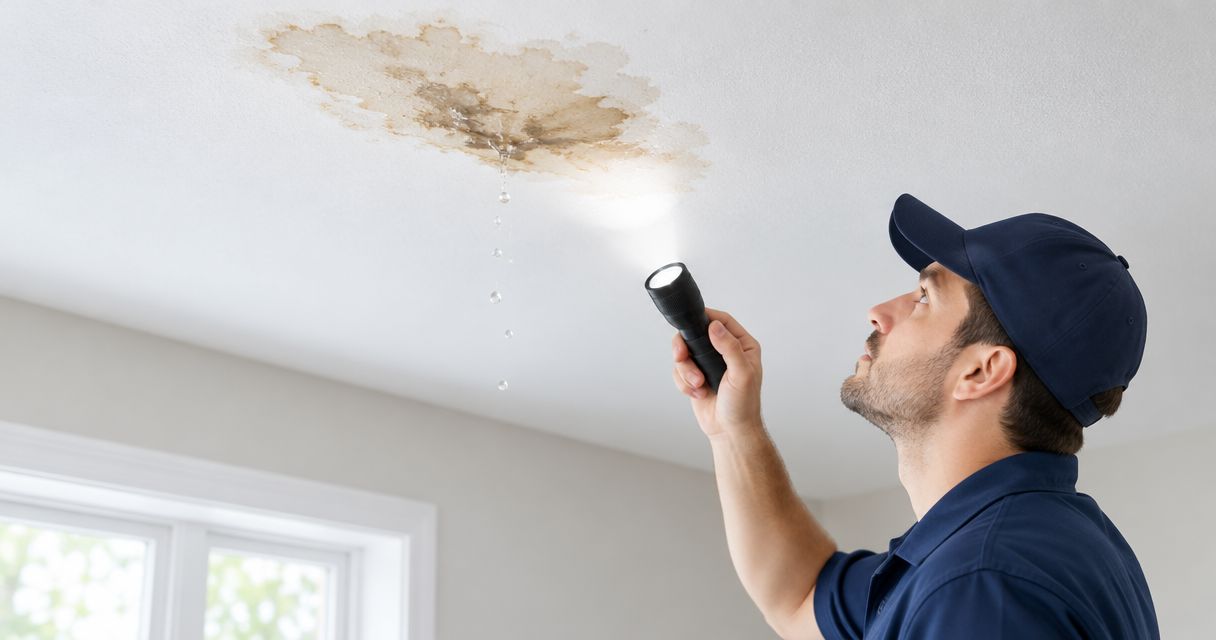
An unexplained wet patch, localized settlement, or persistent sewage odor deserves investigation. None of those observations identifies a sewer-line defect by itself.
Water-supply leaks, drainage conditions, and fixture-related problems can produce overlapping clues. The next move is to establish the source before selecting a sewer repair.
Best for: Owners investigating exterior changes or odor complaints without a confirmed pipe diagnosis.
Ground-change evidence pros:
- Provides a location to document and investigate.
- Adds context when combined with recurring drain problems.
- Helps track whether a visible condition is changing.
Ground-change evidence cons:
- Cannot reliably identify which underground system is involved.
- Does not show whether trenchless access is practical.
Keep people away from unstable ground and suspected sewage. Do not enter a depression or start digging to find the pipe yourself.
Property managers should record where the condition appears and whether anyone has also reported indoor drainage trouble. Keep observations separate from conclusions: describe a wet area rather than recording a sewer break before inspection confirms it.
Verdict: Wait on the repair method, not on investigating an unexplained or unsafe condition.
Compare repair routes only after inspection
Trenchless sewer repair is a category of work, not a single technique. Pipe lining and pipe bursting address different conditions, while excavation remains appropriate for some repairs.
Use this comparison to understand the conversation—not to select a method without an assessment. For a 2026 proposal, require the contractor to explain both why the recommended method fits and why the alternatives do not.
| Repair route | Best for discussing when | Main advantage | Main limitation |
|---|---|---|---|
| Cured-in-place pipe lining | An existing pipe is suitable to receive a liner | Creates a lining inside the existing pipe | Suitability depends on condition, preparation, and geometry |
| Pipe bursting | Replacement along the existing route is appropriate | Installs replacement pipe while breaking the old pipe | Requires access and assessment of surrounding utilities and conditions |
| Excavation and repair | Direct access is needed to correct the defect | Exposes the affected section for repair or replacement | Disturbs the area where excavation occurs |
These 3 repair routes are not interchangeable. Lining generally follows the existing pipe route and is not a way to reset a poorly graded sewer into a new slope. Pipe bursting also requires a site-specific assessment rather than a promise of no digging.
A trenchless recommendation should explain the pipe problem, the access requirements, and the limits of the proposed method. Do not choose solely because a proposal uses the word trenchless.
What to do before authorizing sewer work
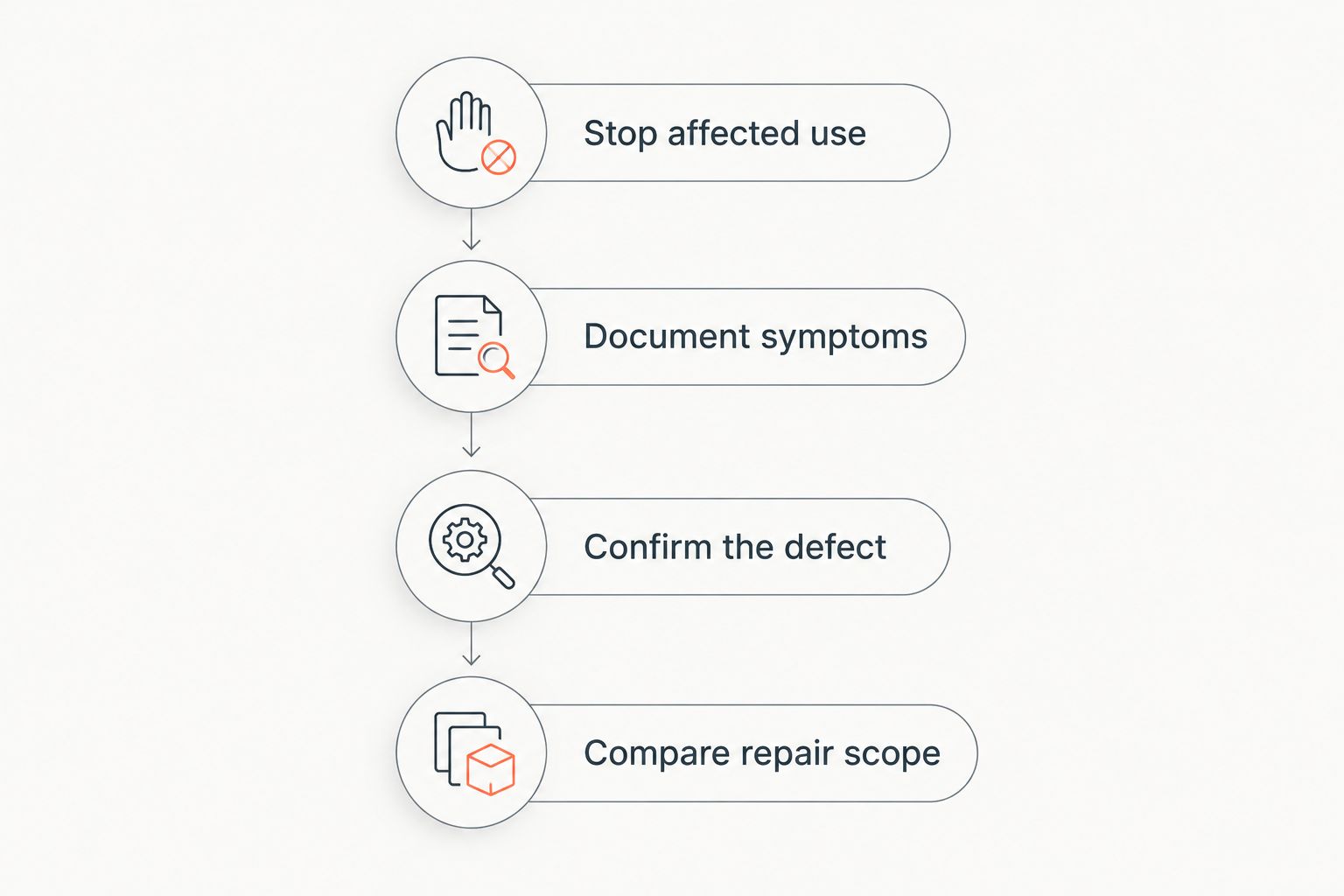
Separate immediate protection from the permanent repair decision. Use the following sequence whether you own the home or coordinate maintenance for someone else:
- Stop affected use. Avoid adding wastewater when fixtures are backing up.
- Document symptoms. Note affected fixtures, recurrence, prior work, and visible conditions.
- Confirm the defect. Ask what inspection or other evidence supports the diagnosis.
- Compare repair scope. Review the proposed section, method, access, and remaining uncertainties.
The sequence prevents a symptom report from turning directly into a replacement order. Emergency conditions still come first; collecting notes should never delay help with an active backup.
For landlords, keep the occupant's observations and the plumber's findings in the same maintenance record. Ask which fixtures should remain unused and whether the proposed work affects other occupants. Confirm access arrangements directly rather than assuming a service provider has a particular tenant-entry process.
Worry-less is a fit for homeowners and property managers seeking scheduled plumbing repairs or help with late-night plumbing emergencies. Confirm the service needed, the current scheduling options, and any specialist sewer work separately.
Discuss the plumbing problem
Explain the symptoms and ask about emergency help or a scheduled plumbing repair.
How the warning signs are ranked
The order prioritizes useful diagnostic patterns: shared-line symptoms, recurring root intrusion, direct structural evidence, and less-specific exterior clues. It is not a ranking of contractors or a claim that every listed symptom requires replacement.
Urgency follows current conditions. Active sewage backup needs prompt attention; a resolved blockage with recurring history still deserves a planned investigation.
Which next step should you choose?
If wastewater is backing up now, seek emergency plumbing help. If the immediate problem has stopped but keeps returning, schedule an investigation before approving permanent sewer work.
Choose trenchless repair only after the pipe condition and site assessment support it. The default is evidence first—not replacement first. For 2026 property maintenance, keep emergency response and planned repair approvals as separate decisions.
FAQ
What are the strongest signs you need trenchless sewer line repair?
Recurring backups, returning roots, and visible pipe defects are reasons to investigate sewer repair. They do not prove trenchless suitability; the pipe condition and site assessment determine that.
Does one slow drain mean I need a new sewer line?
One slow drain does not establish a sewer-line replacement need. A fixture-level obstruction can cause slow drainage, while several affected fixtures give more reason to investigate a shared line.
Can trenchless sewer repair fix a collapsed pipe?
A collapsed section can prevent some trenchless methods, particularly lining, from being suitable. The contractor must assess the collapse and explain whether replacement, excavation, or another approach fits.
Is pipe lining better than pipe bursting?
Neither method is better for every sewer problem. Lining works inside a suitable existing pipe, while pipe bursting replaces pipe along the existing route; each requires its own condition and access assessment.
Should I call an emergency plumber for a sewage backup?
An active sewage backup warrants prompt plumbing help. Stop using affected fixtures, avoid wastewater contact, and describe which fixtures are involved when requesting service.
What should landlords record before a sewer inspection?
Landlords should record affected fixtures, when symptoms occur, previous cleaning or repairs, and any visible exterior changes. Keep those observations separate from an unconfirmed diagnosis.
Does Worry-less offer trenchless sewer replacement?
Worry-less provides plumbing service calls, including late-night emergencies and scheduled repairs. Confirm trenchless inspection or replacement capabilities directly before arranging that specific work.
One last thing
A drain that flows again is not proof that the pipe is repaired. If cleaning removes roots or another obstruction, ask what caused the blockage and whether the underlying condition still needs attention. That question helps separate a successful emergency clearing from a complete long-term repair.